Batteries, chemicals, perfumes and many everyday products count as dangerous goods. Shipping them safely by sea or air starts with the right classification, packaging and paperwork.
Many shippers do not realize their products are regulated until a booking is rejected at the terminal. A wrongly declared shipment can mean delays, fines or, in the worst case, a safety incident. The good news is that most dangerous goods can travel, as long as the basics are right.
How dangerous goods are classified
Dangerous goods are classified under international codes: the IMDG Code for sea and the IATA Dangerous Goods Regulations for air. Both use nine hazard classes, from explosives and flammable liquids to corrosives and miscellaneous items such as lithium batteries.
Each class sets rules for packaging, labeling, segregation and documentation. The safety data sheet for your product is the starting point for getting the class and UN number right.
Everyday items surprise shippers most often. Perfumes and aerosols are flammable, cleaning products can be corrosive, and power tools, laptops and e-bikes all contain lithium batteries. If your product contains a battery, a liquid or a gas, assume it needs checking.
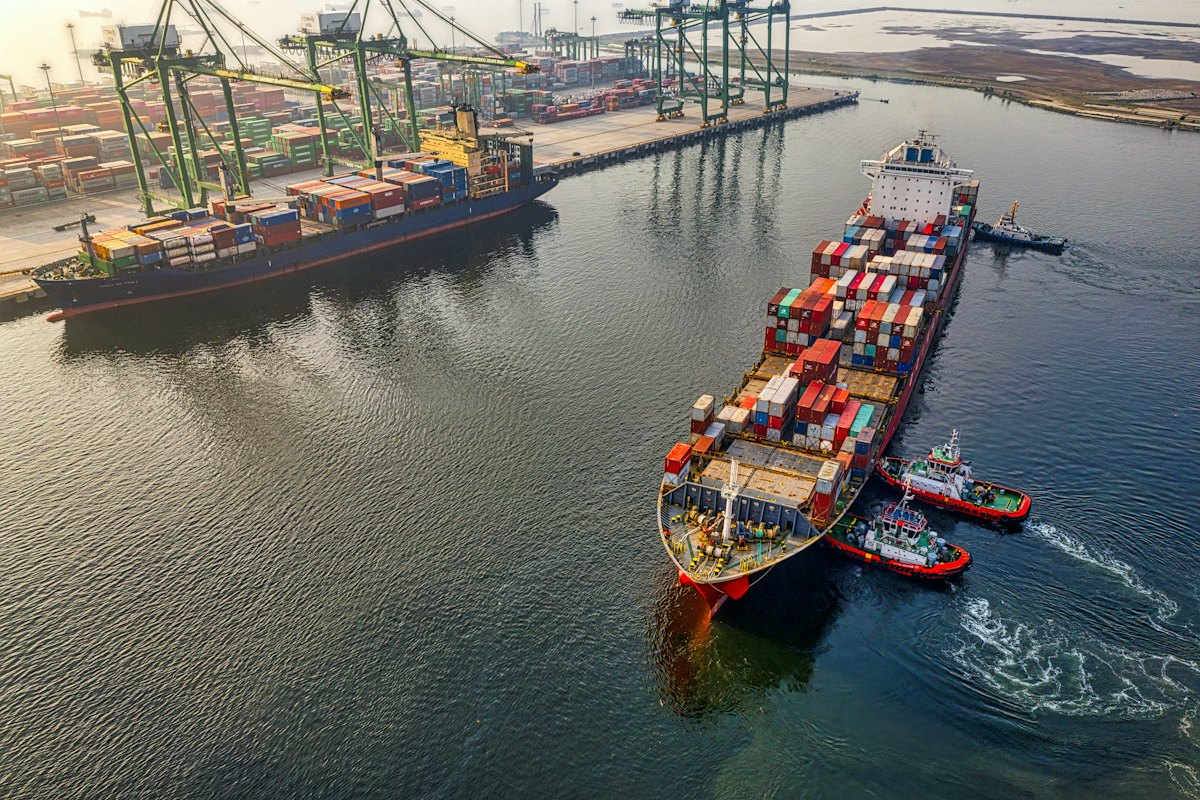
Sea and air rules compared
Air rules are generally stricter than sea rules, because an aircraft has less room to isolate a problem. Some goods that travel freely by ship are limited or forbidden on passenger aircraft. At sea, the main challenge is segregation: incompatible classes must be stowed apart, which can limit which vessels and positions are available for your container.
| Topic | Sea (IMDG) | Air (IATA DGR) |
|---|---|---|
| Quantity limits | Generous | Strict per package |
| Passenger aircraft | Not applicable | Many items cargo-only |
| Lithium batteries | Allowed with marking | Charge limits apply |
| Key document | DG declaration | Shipper’s declaration |
Lithium batteries, the most common case
Lithium batteries are the dangerous goods we handle most often, packed on their own, inside equipment or with it. They can usually travel, but limits on state of charge and packaging apply, especially by air, where stand-alone batteries generally ship at no more than 30% charge. Damaged or recalled batteries follow much stricter rules and need specialist advice before any booking.
- Classification: Confirm the class and UN number from the product’s safety data sheet.
- Packaging: Use approved packaging that is tested and marked for the hazard class.
- Labeling: Apply the correct hazard labels and handling marks on every package.
- Documentation: Complete the dangerous goods declaration accurately and sign it before booking.
“Most rejected dangerous goods shipments fail on paperwork, not on the product itself. A five-minute document check before booking saves days at the terminal.”
Mei Lin, Ocean & Air Freight Lead at Cargo
Let specialists check before you book
Our certified specialists review classification, packaging and documents before every dangerous goods booking. That prevents rejected shipments at the terminal and keeps your cargo on its planned sailing or flight, whether it moves by sea or by air freight. Send us the safety data sheet with your booking request and we will confirm what is needed, including any limits on quantities or routes.
Key takeaways
- Sea shipments follow the IMDG Code; air shipments follow the IATA rules.
- Air rules are stricter, especially for lithium batteries.
- Correct classification and paperwork prevent most rejections.
Shipping batteries, chemicals or other regulated goods? Request a quote and our specialists will check your shipment before booking.