When vessels queue outside a port, every day counts. These are the tools we use to spot congestion early, keep containers moving and avoid the storage costs that quietly eat into your margin.
Congestion rarely appears out of nowhere. It builds when several ships arrive late at once, when yards fill up or when labor and equipment run short. By the time it makes the news, the shippers who reacted early have already moved their cargo.
Daily monitoring of berths and terminals
We track berth schedules, vessel arrival times and yard capacity at the major ports in Europe, Asia and North America every day. When waiting times start to climb or yard utilization passes a comfortable level, we flag the affected bookings straight away.
That early warning gives us time to act while there are still options, instead of reacting after your container is already stuck.
Rerouting through alternative ports
When a gateway port is overloaded, a nearby port with spare capacity can be faster overall, even if the ocean leg is slightly longer. On European routes, for example, we often shift cargo between North Sea ports and use barge or rail for the inland leg.
Rail is a strong option when trucks are scarce near the port. A block train can clear dozens of containers from the terminal in one move.
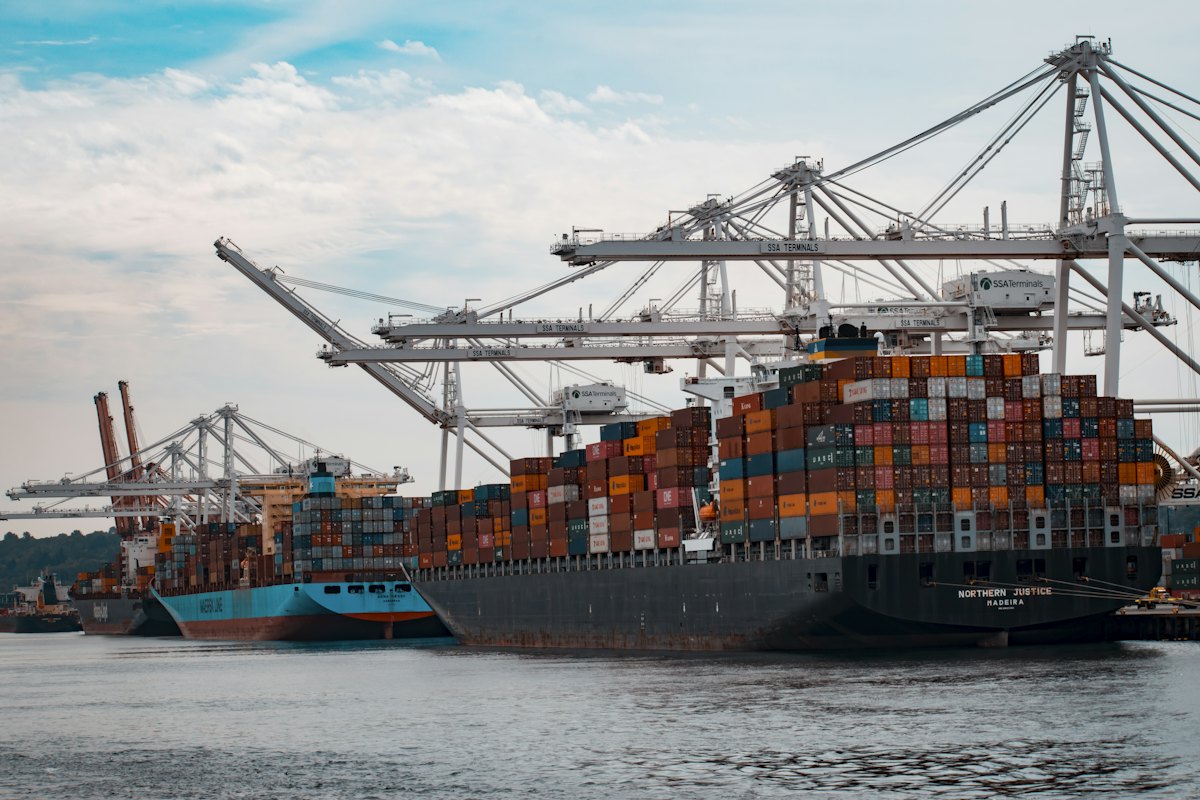
- Alternative ports: We compare waiting times at nearby gateways before every rerouting decision.
- Rail and barge: Inland legs by rail or barge clear containers when trucks are in short supply.
- Pre-clearance: Customs entries filed before arrival let boxes leave as soon as they are discharged.
- Free-time tracking: We watch every container’s free days so demurrage never comes as a surprise.
Pre-clearing customs before arrival
Filing customs entries while the vessel is still at sea means containers can leave the terminal the moment they are discharged. That avoids demurrage, which in our experience is one of the most common unexpected costs during congestion.
“Congestion is not something we can switch off, but we can make sure your containers are first in line to leave once the ship is alongside.”
Mei Lin, Ocean & Air Freight Lead at Cargo
How we handle a congested booking
- Spot the risk. Our monitoring flags bookings bound for ports where waiting times are rising.
- Compare options. We price and time alternative ports, inland legs and later sailings against the original plan.
- Agree the plan. You get a short recommendation and decide whether to reroute or stay the course.
- Pre-clear the cargo. Customs documents are filed before arrival so the box can leave on discharge.
- Track free time. Your weekly report lists every open container with its expected free-time expiry.
Our ocean freight customers receive that weekly status report on every open container, so planning teams always know what is due and when. If free time is about to run out, we contact you early to arrange delivery, a storage move or an extension with the carrier before charges start.
Key takeaways
- Daily berth and yard monitoring gives early warning before congestion peaks.
- Alternative ports and rail or barge inland legs keep cargo moving.
- Pre-cleared customs entries help containers leave the terminal without demurrage.
Worried about a congested gateway on your lane? Get a quote and we will plan a route that keeps your cargo moving.