A dedicated fleet gives you trucks, drivers and branding that work only for you. It is not right for everyone, but for steady volumes it can lower cost and raise service at the same time.
Many companies move the same freight on the same routes every week, yet buy each load on the spot or general contract market. That works until capacity gets tight. A dedicated fleet turns road transport from a variable you hope for into a resource you can plan around.
When dedicated contracts work best
Dedicated contracts work best when you move similar volumes every week on fixed routes, such as store replenishment, plant-to-warehouse shuttles or regular customer deliveries with tight time windows.
The key measure is utilization. If a truck is loaded for most of its working day and drives few empty kilometers, a dedicated setup typically beats buying the same moves one by one.
Service is often the bigger argument. When the same drivers visit the same sites every day, they learn the access routes, the contacts and the small habits that make deliveries smooth. Customers notice that consistency, especially in retail and healthcare.
What you get and what we handle
You get predictable capacity, drivers who know your sites and trailers in your colors, while we handle hiring, maintenance, compliance and replacement vehicles. Your team focuses on the freight, not on running a transport company.
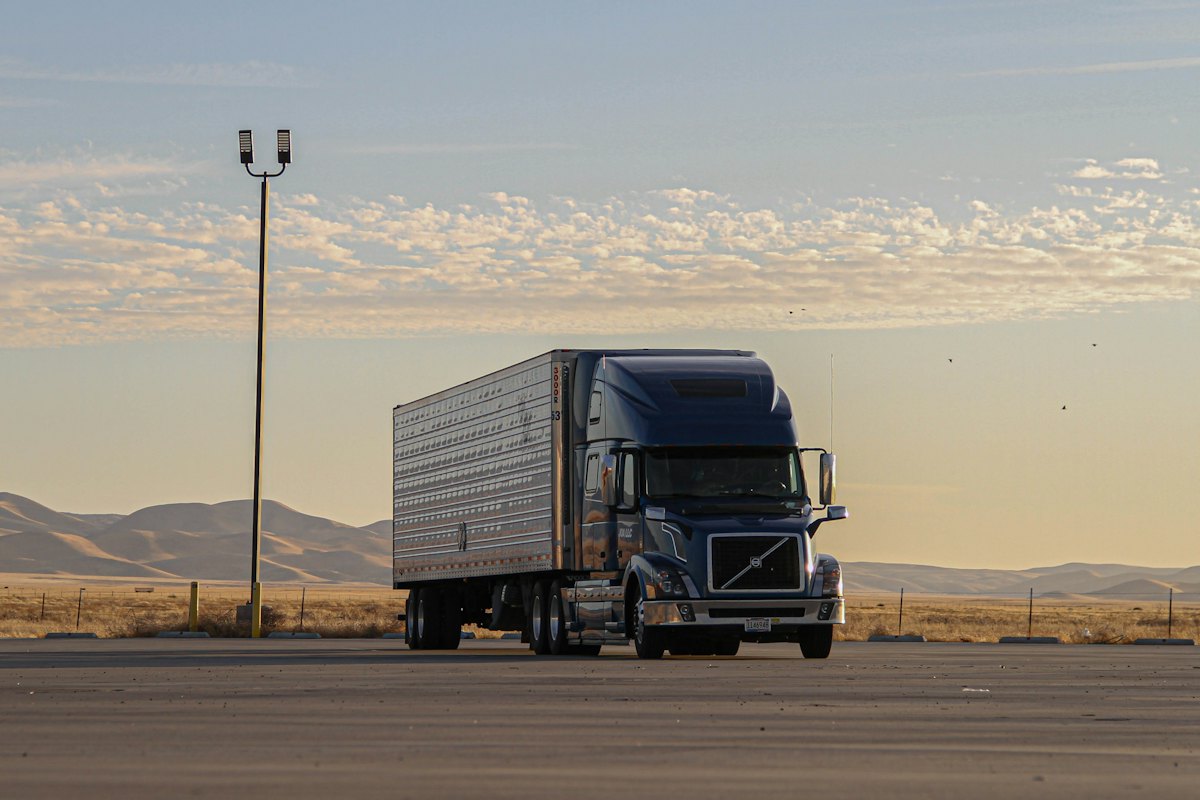
- Guaranteed capacity: Trucks are reserved for you, including during peak weeks.
- Familiar drivers: Regular drivers know your docks, contacts and customer sites.
- Brand visibility: Trailers can carry your livery as a moving billboard.
- No fleet overhead: Maintenance, compliance and spare vehicles are managed for you.
“A dedicated fleet should earn its place on the numbers. We always start small, measure utilization and only scale when the data says it pays off.”
Daniel Reyes, Road Freight Manager at Cargo
How we set up a dedicated fleet
We usually start with a short pilot on one route to measure utilization before scaling up. The process is structured so you can stop or adjust at each stage.
- Review your data. We analyze several months of shipments to find routes with stable, repeating volumes.
- Design the route. We set vehicle type, schedules and driver shifts around your loading times.
- Run a pilot. One or two trucks operate on a single route for a fixed period, typically eight to twelve weeks.
- Measure results. We report utilization, on-time performance and cost per stop against your previous setup.
- Scale or adjust. If the pilot pays off, we add routes and vehicles in stages.
When to stay with shared capacity
If your volumes swing sharply by season or your destinations change every week, shared road freight capacity is usually more efficient. A hybrid model, with a dedicated core and flexible top-up capacity, often gives the best balance.
Contract length matters as well. Most dedicated agreements run for several years so that vehicles can be financed and drivers recruited properly, which is another reason to validate the route with a pilot first.
Key takeaways
- Dedicated fleets suit steady weekly volumes on fixed routes.
- High utilization is the key to making the numbers work.
- A short pilot reduces risk before you scale up.
Curious whether a dedicated fleet fits your network? Contact us for a quote and we will review your shipment data.