A bonded warehouse lets you store imported goods without paying duties until they are released to the market, or not at all if they are re-exported. For many importers, it is a quiet cash-flow advantage.
When goods clear customs on arrival, duties and import taxes are due immediately, often weeks or months before the stock is sold. For high-duty products or slow-selling ranges, that ties up significant working capital. Bonded storage changes the timing, and sometimes removes the bill altogether. Here is how it works, what you can do with goods while they wait, and which importers gain the most.
How bonded storage works
A bonded warehouse is a facility authorized by customs to hold non-cleared goods under supervision. Imports enter the warehouse under a customs procedure rather than being released for free circulation. Duties and import VAT are suspended while goods stay in bond and are only calculated when you release a quantity to the market.
If goods are re-exported, destroyed under supervision, or moved to another bonded facility, no import duty is due on them. In the EU and the UK, this is handled through customs warehousing procedures; many other markets offer similar schemes under different names, each with its own authorization and guarantee requirements.
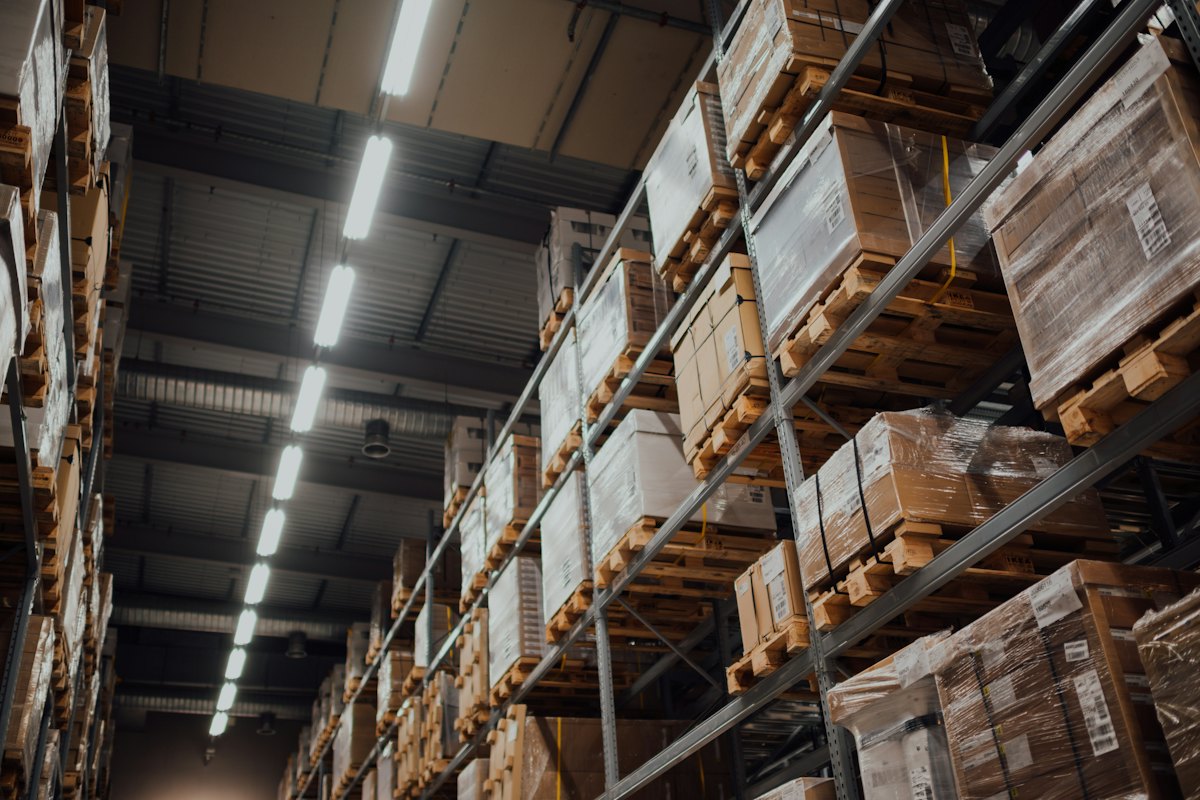
Cleared on arrival versus held in bond
| Factor | Cleared on arrival | Held in bond |
|---|---|---|
| Duty payment | On arrival | On release only |
| Re-exported goods | Refund claim needed | No duty due |
| Cash tied up | High | Low |
| Record keeping | Standard | Detailed, audited |
“Bonded storage turns duty from an upfront cost into a cost of sale. For high-duty goods, that difference can fund a whole season of stock.”
Sofia Marin, Warehouse Operations Director at Cargo
What you can do with goods under bond
Goods do not have to sit untouched. Many usual handling operations are allowed under bond, so stock is ready the moment an order arrives. Some operations need prior approval from customs, so agree the scope with your warehouse operator before the goods land.
- Repacking: Break bulk shipments into retail units or mixed pallets.
- Labelling: Apply local language labels, price tags or compliance marks.
- Inspection: Run quality checks before deciding to release or re-export.
- Split release: Clear only the quantities each market or customer needs.
Who benefits most
Bonded storage suits importers of high-duty goods such as spirits, tobacco, apparel and some electronics, businesses that re-export a share of their stock, and anyone holding inventory for long periods before sale. It is less useful for fast-moving, low-duty goods that sell within days of arrival.
It can also help when trade rules are uncertain. If tariffs on a product line are under review, holding stock in bond lets you wait for clarity before committing to a duty payment, while the goods sit close to your customers and ready for quick release.
The trade-off is administration: every movement in and out must be recorded and reconciled with customs. Our licensed customs team manages the bonded inventory records and declarations for you, alongside our standard warehousing services.
Key takeaways
- Duties and import VAT are suspended until goods are released.
- Re-exported goods leave bond without paying import duty.
- Accurate, audited stock records are the price of the benefit.
Want to see how much working capital bonded storage could free up? Request a quote and our customs team will run the numbers with you.