Peak season rewards the shippers who prepare in September, not November. Five practical moves can free up space, cut handling cost and keep your fulfillment promises when volumes double.
Every autumn we see the same pattern: warehouses fill up with slow stock just as fast movers need room to breathe. Overflow storage gets booked at short notice, pickers walk further, and errors climb. None of this is inevitable. With a few weeks of preparation, most of the extra cost can be avoided.
Re-slot around what actually sells
Slotting is the cheapest efficiency gain in any warehouse. Move your fastest-moving items to the golden zone near dispatch, at waist height, and push slow movers to upper levels or the back of the building. In our experience, a proper re-slot cuts picking travel time by around a fifth.
Base the new layout on the last eight to twelve weeks of order lines, not last year’s catalog. Seasonal ranges change, and your slotting should change with them.
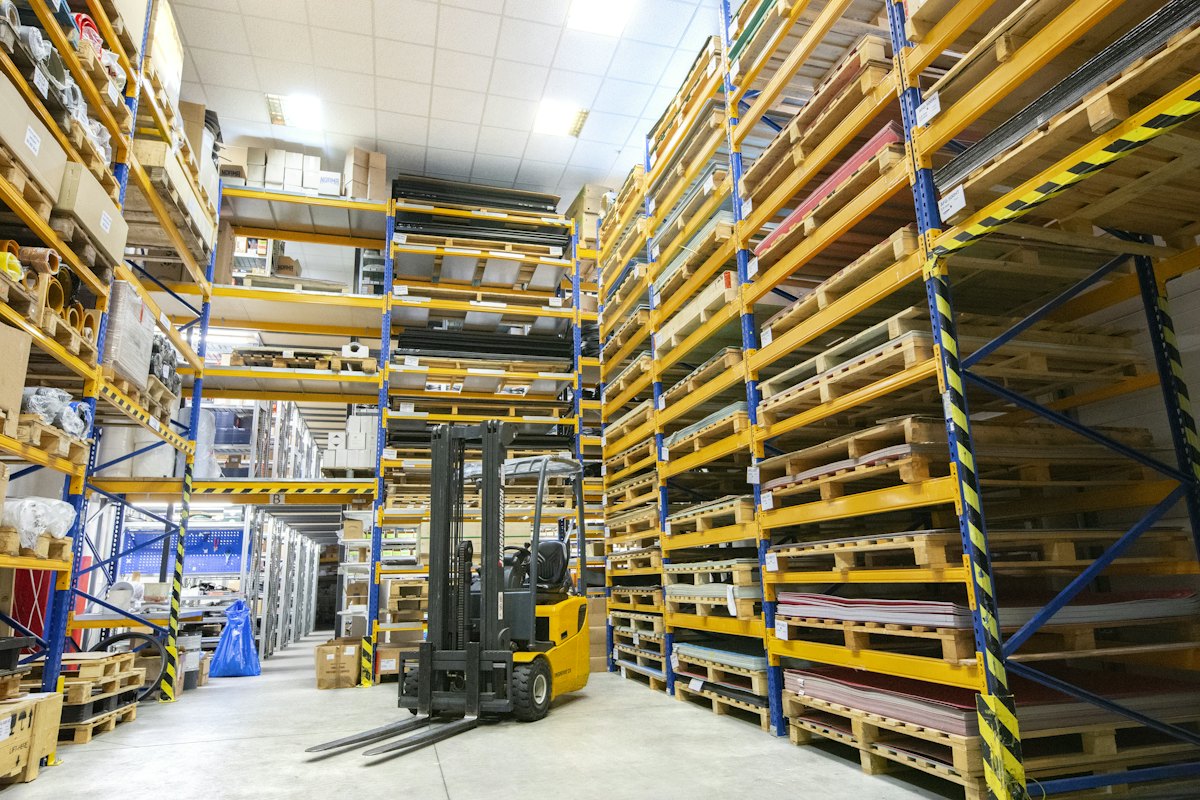
Clear obsolete and excess stock
Every pallet that sits unsold occupies a location you will need in November. Run an aging report, flag anything that has not moved in six months, and decide now: discount it, return it to the supplier, bundle it, or dispose of it responsibly. Recycling or donating dead stock also helps your sustainability reporting.
Look at excess as well as obsolete stock. A line that still sells but holds forty weeks of cover is tying up locations and cash. Agree with purchasing to pause reorders on those items until cover falls back to a sensible level, and consolidate part-pallets so that each location holds as much as it safely can.
“The cheapest pallet location is the one you never have to rent. Clearing dead stock in September pays for itself before the first peak order lands.”
Sofia Marin, Warehouse Operations Director at Cargo
Ship through, not into, the warehouse
Not every flow needs to be stored. Pre-labelled, palletized replenishment for stores can move straight from inbound to outbound docks through cross-docking, often on the same day. That frees racking for the items that genuinely need pick-and-pack.
Cross-docking only works when suppliers deliver on time with correct labels and advance shipping notices. Start with one or two reliable suppliers, run the flow for a few weeks before peak, and extend it once the dock team trusts the data. Even a partial shift can release dozens of pallet positions.
Compare your options before you commit
Each lever has a different payback. The table below summarizes what we typically see across customer sites.
| Lever | Typical saving | Lead time | Effort |
|---|---|---|---|
| Re-slotting | 10–20% pick time | 2–4 weeks | Medium |
| Dead stock clean-out | 5–15% of locations | 4–6 weeks | Low |
| Cross-docking | Storage avoided entirely | 4–8 weeks | Medium |
| Flexible overflow space | Pay only for peak weeks | 1–2 weeks | Low |
| Tighter replenishment | Lower safety stock | 6–10 weeks | High |
Make space flexible, not fixed
Rather than signing for permanent extra square footage, agree flexible overflow capacity with your logistics partner. Our warehousing service lets customers scale pallet positions up for peak weeks and back down in January. Whatever you choose, lock in the plan early, because short-notice overflow space in late autumn is scarce and usually costs well above contract rates.
- Forecast early: Share your peak volume forecast by SKU at least eight weeks ahead.
- Book labor: Confirm temporary staff and extra shifts before agencies run short.
- Agree cut-offs: Set realistic order cut-off times with your carriers and customers.
- Test returns: Plan where post-peak returns will be received, checked and restocked.
Key takeaways
- Re-slot fast movers near dispatch using recent order data.
- Clear dead stock before peak, not after it.
- Use cross-docking and flexible overflow space instead of permanent extra storage.
Want a second pair of eyes on your peak plan? Request a quote and our warehouse team will review your layout and volumes with you.