Port is the wine our city is named for, yet most guests are not sure where to start. Our head chef explains the main styles, how we serve them and how to visit the lodges across the river.
Where port comes from
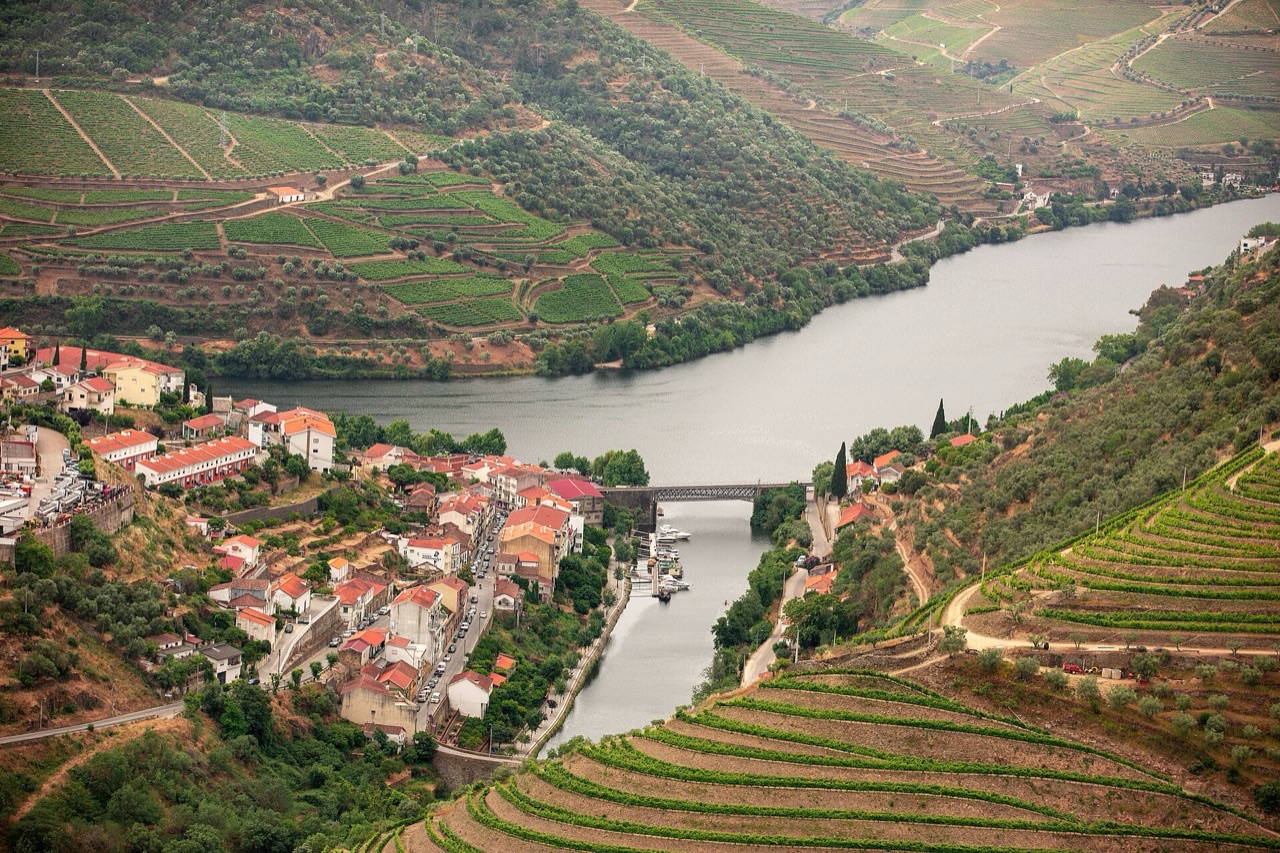
Port is made from grapes grown on the steep terraced slopes of the Douro valley, a two-hour train ride upriver. During the harvest a little grape spirit is added to the fermenting wine, which stops the yeast, keeps some natural sweetness and makes the wine stronger.
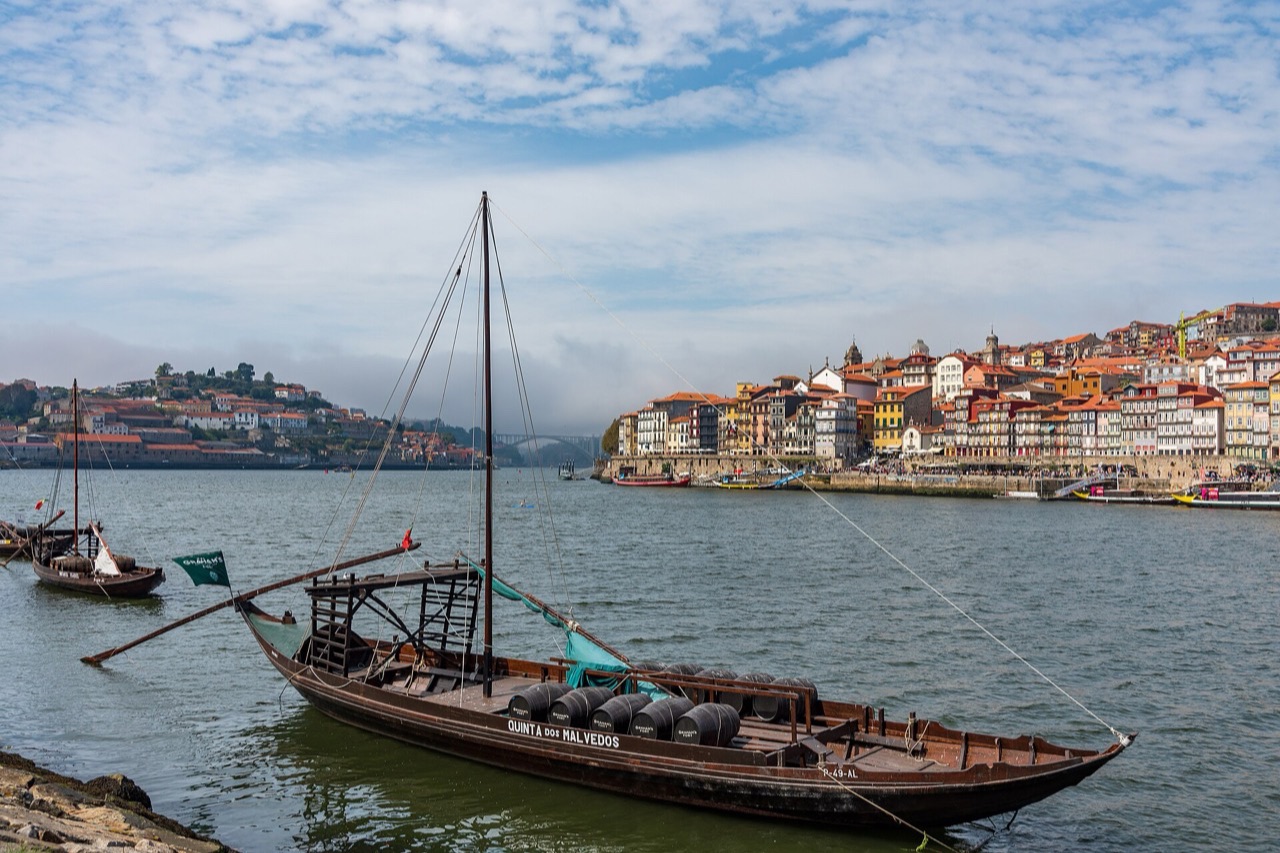
For centuries the young wine travelled down the river in flat wooden rabelo boats to the lodges of Vila Nova de Gaia, on the bank opposite our terrace. It still ages there in oak barrels, and the old boats are moored on the quay as a reminder.
The main styles, in plain words
White port is the lightest, made from white grapes and served cold. Ruby port is young, deep red and full of berry flavour, aged for a short time in large vats so it stays fresh. Tawny port spends years in small barrels, turning amber and tasting of nuts, caramel and dried fruit.
Then there are the special bottles: vintage port from a single great year, meant to age for decades, and late bottled vintage, a ruby kept longer in wood and ready to drink. You do not need to remember all of this; the tasting in our cellar will make it clear.
| Style | Taste | Serve with |
|---|---|---|
| White | Light, fresh, a little sweet | Tonic, ice and orange before dinner |
| Ruby | Young, red berries, rich | Mountain cheese or dark chocolate |
| Tawny | Nuts, caramel, dried fruit | Custard tarts or after dessert |
| Vintage | Deep, complex, built to age | A special occasion, slowly |
“Start with a cold white port on the terrace and end with an old tawny after dinner. Everything in between is a pleasant argument.”
How we serve it at the house
Before dinner we pour white port with tonic, ice and a slice of orange, which is how much of the city drinks it in summer. With cheese we serve a ruby or a late bottled vintage, and after dessert a ten or twenty-year-old tawny, slightly cool, in a small glass.
Every Friday our team runs a tasting in the old cellar under the terrace, where the merchant who built the house kept his barrels. Five glasses, cheese and almonds, and plenty of time for questions. The terrace bar pours port by the glass until 23:00 every night.
Visiting the lodges across the river
Walk across the lower deck of the Dom Luís I bridge, about fifteen minutes from our gate, and you reach the Gaia riverfront, lined with port lodges. Most offer cellar tours and tastings through the day, and many are best booked a day ahead in summer.
Pace yourself: two lodges in an afternoon is plenty. Climb up to the hilltop garden above the bridge for the sunset, then walk back over the top deck. If you prefer the vineyards themselves, ask us about a river cruise or train to the Douro valley.
- Go early: morning tours in Gaia are quieter and often cheaper.
- Book ahead: in summer the popular lodges fill a day in advance.
- Eat something: a cheese plate between tastings keeps the afternoon pleasant.
- Walk back high: cross the top deck of the bridge for the best view of the city.
Key takeaways
- White, ruby and tawny are the three styles to know first.
- Our Friday tasting in the old cellar pours five glasses with cheese.
- The Gaia lodges are a fifteen-minute walk across the Dom Luís I bridge.
Want to taste before you explore? Book a stay that includes a Friday and join us in the cellar.