New rail links now move containers between China and Europe in under three weeks. Here is what shippers need to know about capacity, pricing and how to book the right service.
For years, shippers had two real choices on the Europe–Asia trade: slow and cheap by sea, or fast and expensive by air. Rail has quietly become a serious third option. With more routes, more weekly departures and better terminal handling at the borders, it now deserves a place in most sourcing plans.
Why rail fits between ocean and air
A typical rail service from western China to central Europe takes 16 to 20 days terminal to terminal, roughly half the time of an ocean booking. In our experience, the cost usually lands well below air freight and only moderately above sea freight, which makes it attractive for goods with a high value per kilo.
Electronics, auto parts, machinery spares and e-commerce stock are the classic candidates. For these products, cutting two or three weeks of inventory in transit often pays for the rail premium on its own.
New routes, fewer bottlenecks
Several newer corridors route trains around the border crossings that caused long queues in earlier years. Southern and Caspian alternatives, combined with more gauge-change capacity, spread volume across more paths. The result is more departures per week and less risk that one congested crossing holds up a whole season of shipments.
Reliability still varies by route and by season. Winter weather, border inspections and holiday peaks can add days, so we plan buffers into every schedule we quote. We also share live position updates at key border points, so your team knows early if a train is running behind and can warn customers in good time.
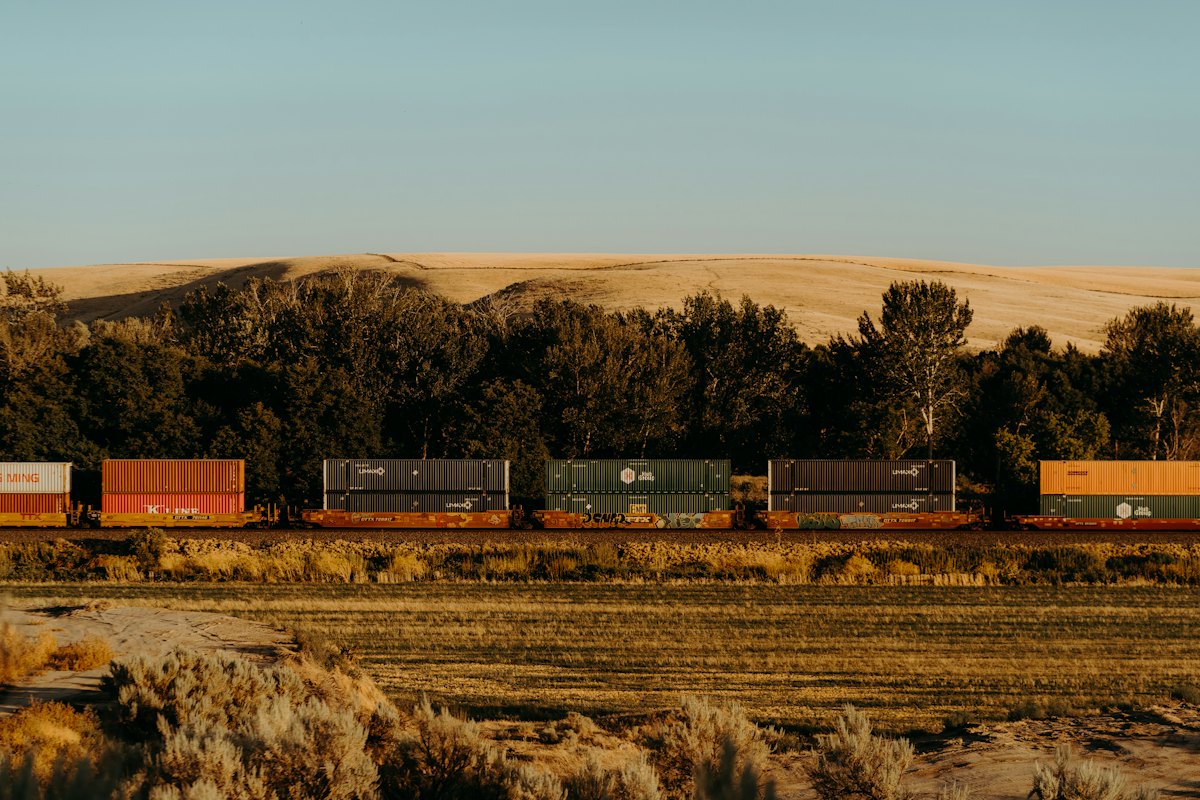
Comparing your options on the Asia–Europe lane
| Mode | Typical transit | Relative cost | Best for |
|---|---|---|---|
| Ocean FCL | 35–45 days | Low | Bulk, low-value goods |
| Rail FCL | 16–20 days | Medium | Electronics, auto parts |
| Rail LCL | 20–25 days | Medium | Smaller e-commerce loads |
| Air freight | 3–7 days | High | Urgent, high-value items |
How to book rail freight well
We book both full block trains and individual containers, with door-to-door trucking at both ends. Most shippers start with single containers on a fixed weekly departure and scale up once they see consistent transit times. If your volumes are seasonal, it pays to reserve space early, because rail capacity is still more limited than ocean. Booking four to six weeks ahead of peak months is a sensible rule of thumb on the busiest corridors.
- Check your cargo: Some goods, such as certain batteries and dual-use items, face extra rules on rail routes.
- Plan the paperwork: Rail consignment notes and transit documents differ from an ocean bill of lading.
- Mind the temperature: Insulated or heated containers protect sensitive goods during winter crossings.
- Agree on Incoterms: Make clear who books and pays for the pre-carriage to the origin terminal.
“Rail is no longer an experiment on this lane. For the right goods, it gives shippers ocean-like costs with a transit time their customers barely notice.”
Tom Becker, Head of Trade Compliance at Cargo
Key takeaways
- Rail cuts China–Europe transit to roughly 16–20 days, about half of ocean.
- It works best for high-value goods where inventory in transit is expensive.
- New corridors add departures and reduce dependence on single border crossings.
Want to see whether rail makes sense for your next shipment? Request a quote and our team will compare rail, ocean and air for your lane.