PX Stay Riverside began as a wine merchant's house on the Douro riverfront in 1887. Our general manager tells the story of the building, the family that has kept it since 1962 and the details worth looking for.
A house built for barrels and boats
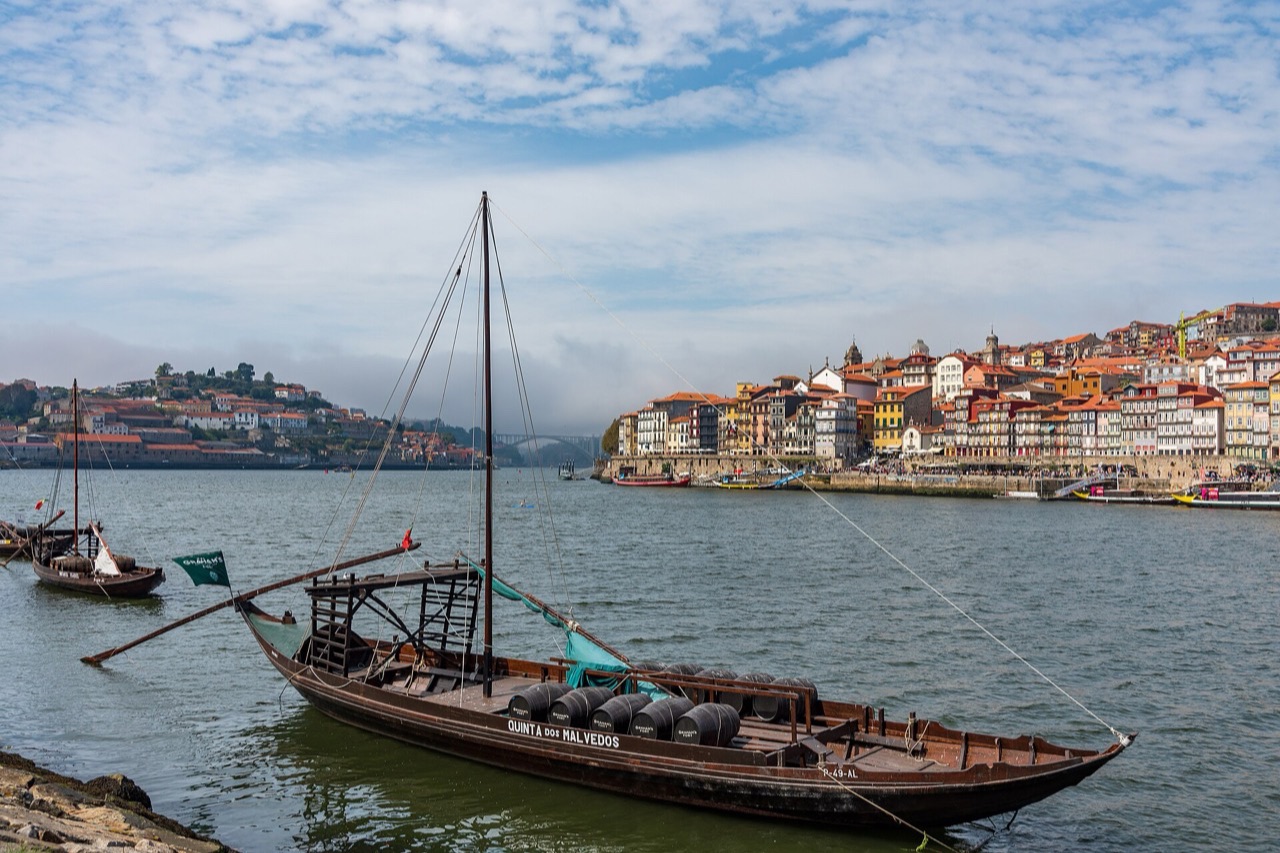
In 1887 a wine merchant built this house where the river traffic was busiest. Wooden boats brought casks of young wine down the Douro from the valley vineyards, and the ground floor was designed as a working store: thick granite walls, a vaulted cellar that stays cool all summer and a wide door that opened straight onto the quay.
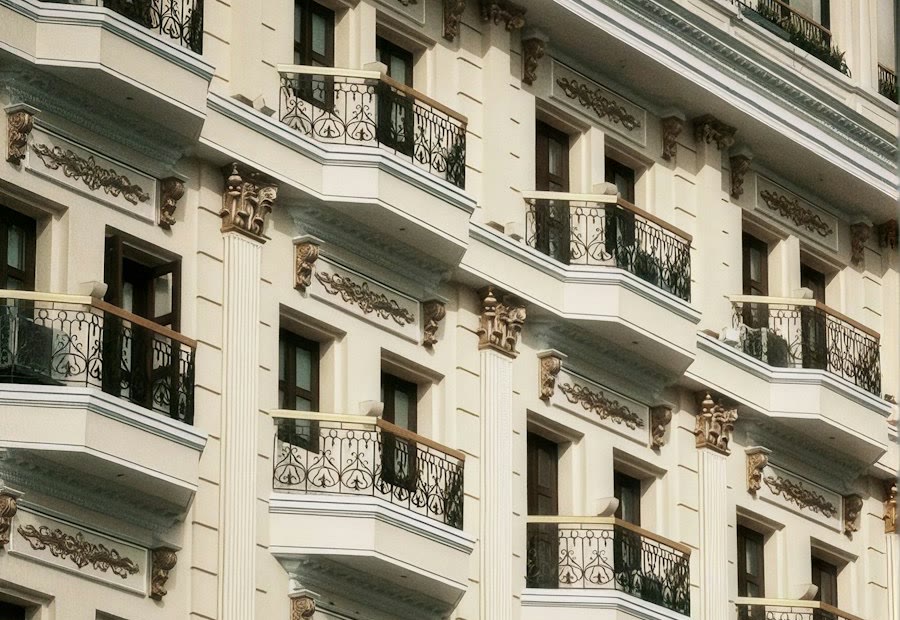
Upstairs the family lived above the business, as merchants in Porto did. The rooms faced the water so they could watch the boats arrive, and the iron balconies on the facade were a small show of success. Most of what you see from the street today is original, cleaned and repaired rather than replaced.
From family home to guesthouse
My grandparents bought the house in 1962, when the wine trade had moved across the river to the lodges in Vila Nova de Gaia and the old stores stood empty. They raised four children here and rented the top floor to students and travelling musicians, which is how the first guestbook began.
In 1994 my parents turned the house into a small guesthouse with eight rooms. The garden wing followed in 2005, the river wing in 2012 and the spa pavilion in the garden in 2014. Today we have twenty-six rooms and suites and a team of forty, but the family still lives on the top floor.
| Year | What happened |
|---|---|
| 1887 | The wine merchant's house is built on the riverfront |
| 1962 | Our family buys the house and moves in |
| 1994 | The house opens as a guesthouse with eight rooms |
| 2005 | The garden wing opens around the pool |
| 2012 | The river wing opens with the Riverside Penthouse |
| 2014 | The spa pavilion opens in the garden |
“My grandmother used to say the house belongs to the river and we only look after it. Every repair we make starts from that idea.”
Details worth looking for
Old houses keep their stories in small things. Before you head out to explore the Ribeira, take ten minutes to walk the ground floor and the stairs slowly. The building rewards guests who look up, look down and ask questions at reception about anything that seems out of place.
Some details are obvious, like the tiled staircase. Others take a second look: worn grooves in the cellar floor where barrels were rolled for decades, an iron ring by the river door for mooring, and a merchant's mark cut into one granite lintel. Our concierge, Tiago, runs a short house walk on Saturday mornings.
- Tiled staircase: blue and white azulejo panels from the 1890s, cleaned by hand tile by tile in 2011.
- Vaulted cellar: the old wine store, now the setting for our port tasting every Friday evening.
- River door: the merchant's loading door onto the quay, with its iron mooring ring still in place.
- Merchant's mark: initials and a date cut into a granite lintel on the ground floor; ask Tiago to show you.
Keeping an old building alive
A granite house by a river is never finished. Winter storms push damp into the lower walls, the wooden window frames need oil every spring and the roof tiles move a little each year. We keep a local carpenter and a stonemason on call and repair with the same materials the builders used.
We also say no to some changes. There is no lift in the main house, because cutting one in would mean losing the staircase. Guests who prefer not to climb stairs stay in the garden or river wings, which were built with lifts and step-free rooms from the start.
Key takeaways
- The house was built in 1887 as a wine merchant's store and home on the Douro.
- The same family has owned it since 1962 and opened it to guests in 1994.
- Look for the tiled staircase, the vaulted cellar and the old river door.
Want to sleep in the oldest part of the house? See the rooms in the main house and ask us about the Saturday house walk.