
Overview
The PhD in Environmental Science trains researchers to work on the problems of a changing climate, from the scale of a single soil sample to a whole river catchment. You will be based in the Institute for Climate and Landscape and co-supervised across disciplines.
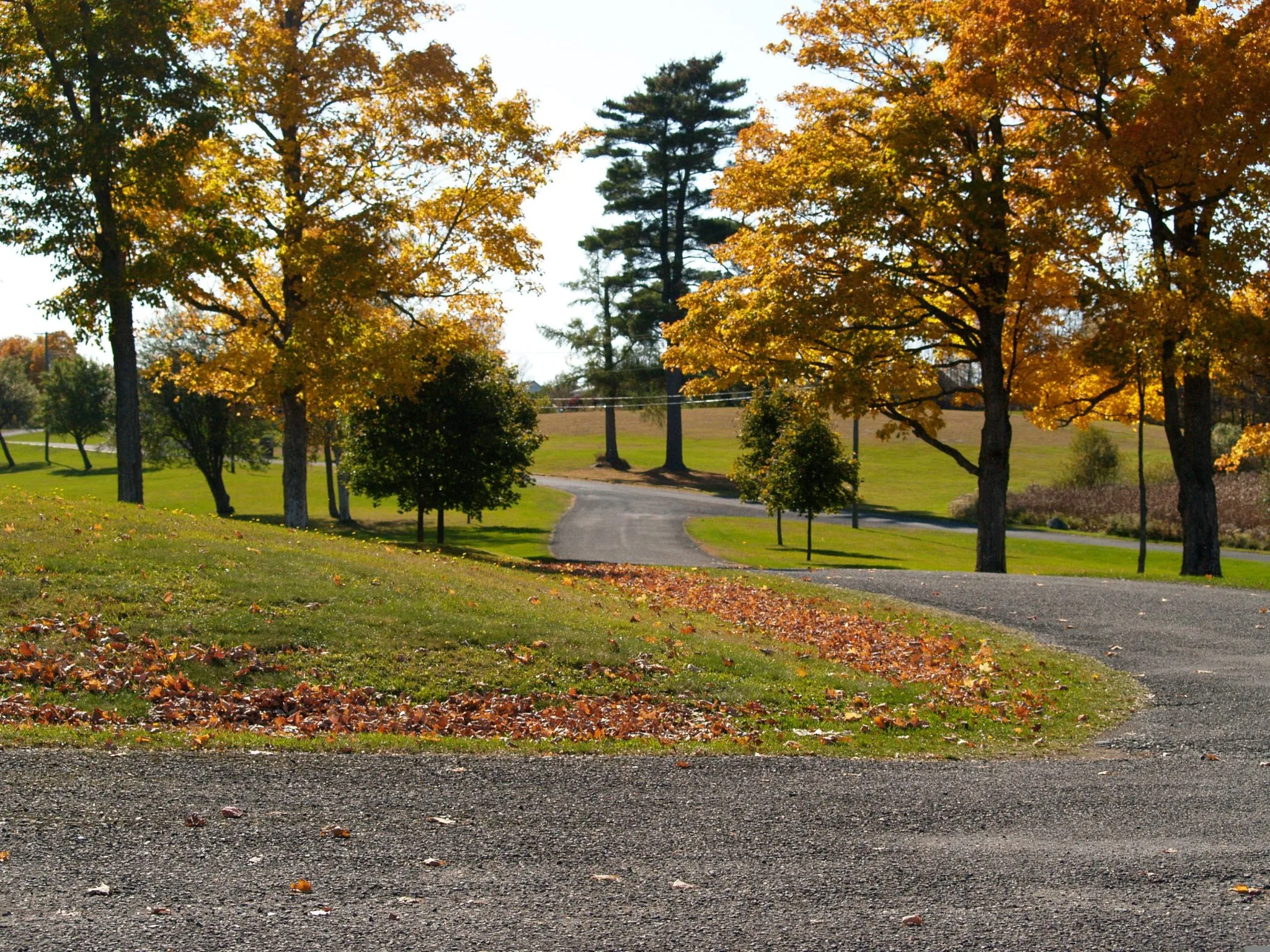
Current projects include river restoration with the farmers who work the valley, soil carbon, and the ecology of ancient woodland - including the drought-tolerance study published this autumn.
- 100%Of places fully funded
- $27,500Tax-free stipend a year
- 2Supervisors from different disciplines
Course structure
The outline below shows a typical path through the course. Options change a little each year as tutors join and research moves on.
Year 1
- Research training in methods and statistics
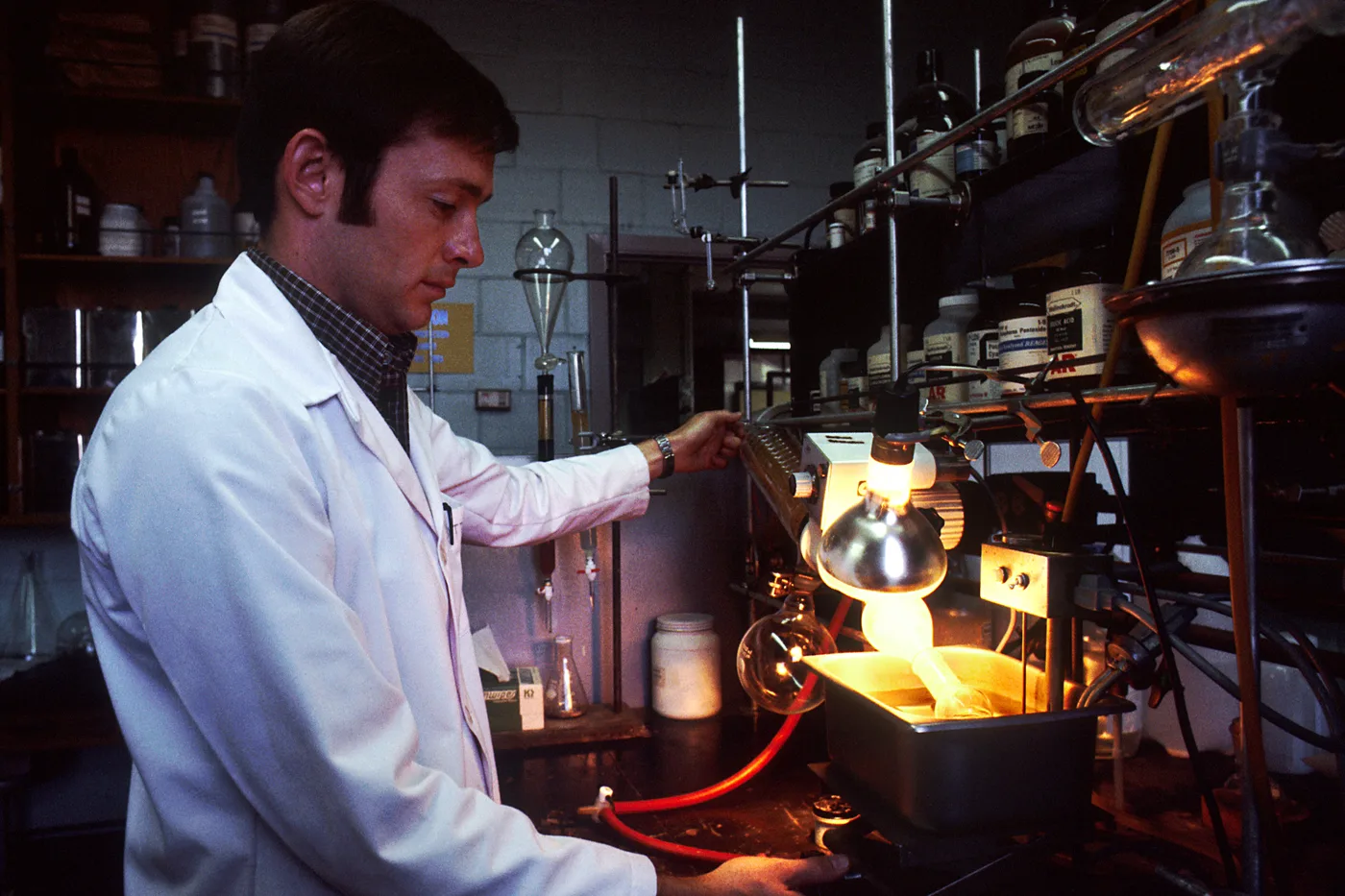
- Field and laboratory skills
- Research proposal and confirmation review
Years 2 and 3
- Fieldwork and analysis
- Conference presentation
- Teaching undergraduate classes
- Six-month placement with a partner organisation (optional)
Final year
- Writing the thesis
- Papers submitted for publication
- Viva examination
How you will learn
You will work with two supervisors from the first week and join a research group that meets weekly. The graduate school runs training in methods, writing and teaching, and doctoral students teach undergraduate classes from their second year.
Assessment
A confirmation review at the end of the first year, annual progress reviews, and a thesis of up to 100,000 words examined by viva.
Entry requirements
- A master's degree, or a first class bachelor's degree, in a relevant science
- A research proposal of up to 2,000 words, or a choice of advertised projects
- Two academic references
We make contextual offers, typically one grade lower, to applicants from schools that send few students to university. If your qualifications are not listed, the admissions office will tell you what we would expect.
Fees and funding
Every place on the programme is fully funded for four years: fees, a tax-free stipend of $27,500 a year and a $3,000 research and training budget. International students are funded on the same terms.
Careers
Our doctoral graduates work in research, government and the private sector. Recent destinations include:
- University research and lectureships
- Environment agencies
- Climate and conservation charities
- Environmental consulting
- Science policy
- Agriculture and land management
The Institute gave me a river to study and farmers to work with. My thesis is about their land, and it is better for it.
Dr Kofi Mensah PhD 2025, now Research Fellow
Questions
Can I propose my own project?
Yes. You can apply to an advertised project or propose your own; we will match you with supervisors before interview.
When are interviews?
Applications close on 15 January. Interviews take place in February, and offers are made in March.
Is funding available for international students?
Yes. All places are funded on the same terms, whatever your nationality.