The Ribeira belongs to its neighbours until about nine. Our head concierge shares the loop he walks before breakfast, from the quay below our door up the stepped lanes and back across the river.
Why the first hour is worth the alarm
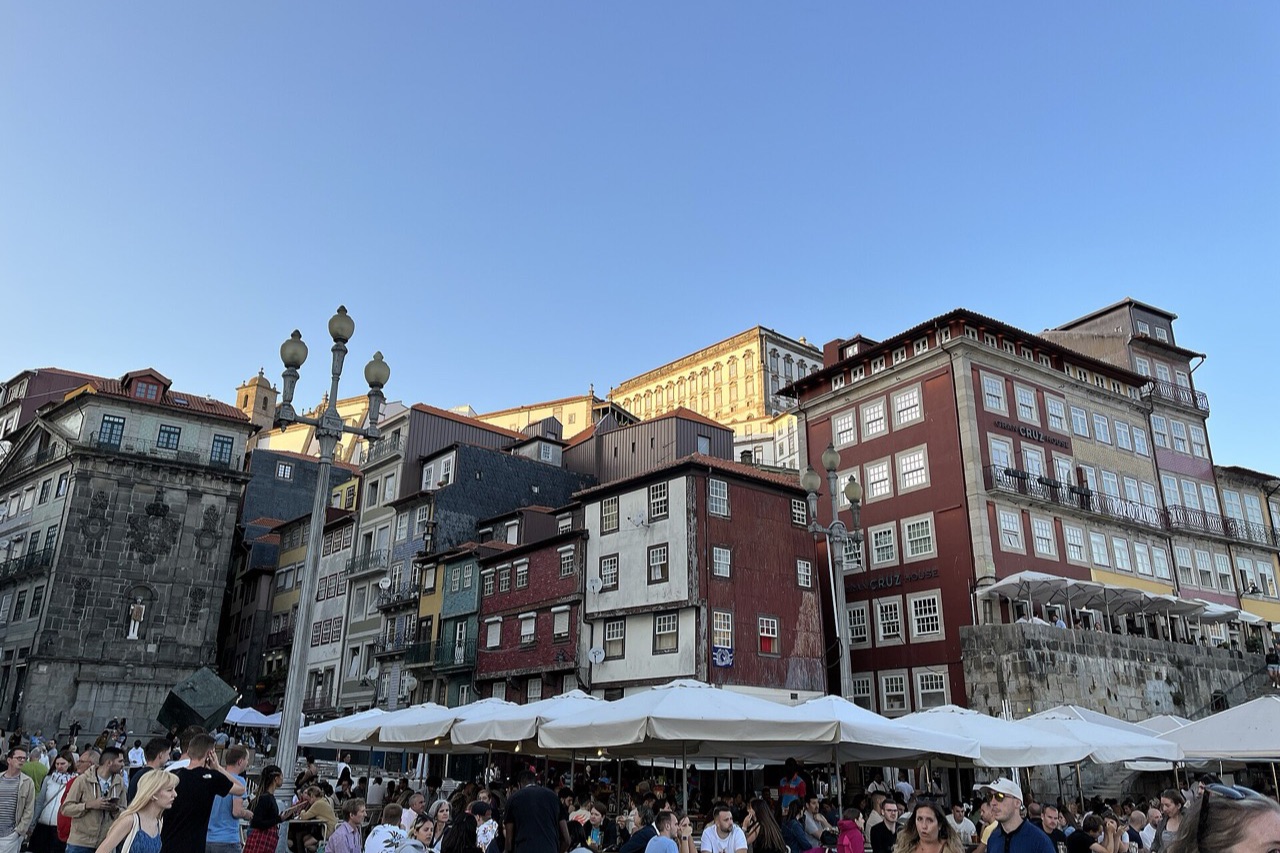
By late morning the Ribeira quay is full of tour groups, café waiters and street musicians, and it is a happy place to be. At seven it is something else. Shopkeepers hose down the cobbles, the bakery vans double-park, and the only sound on the river is a rowing crew sliding past the rabelo boats moored below the houses.
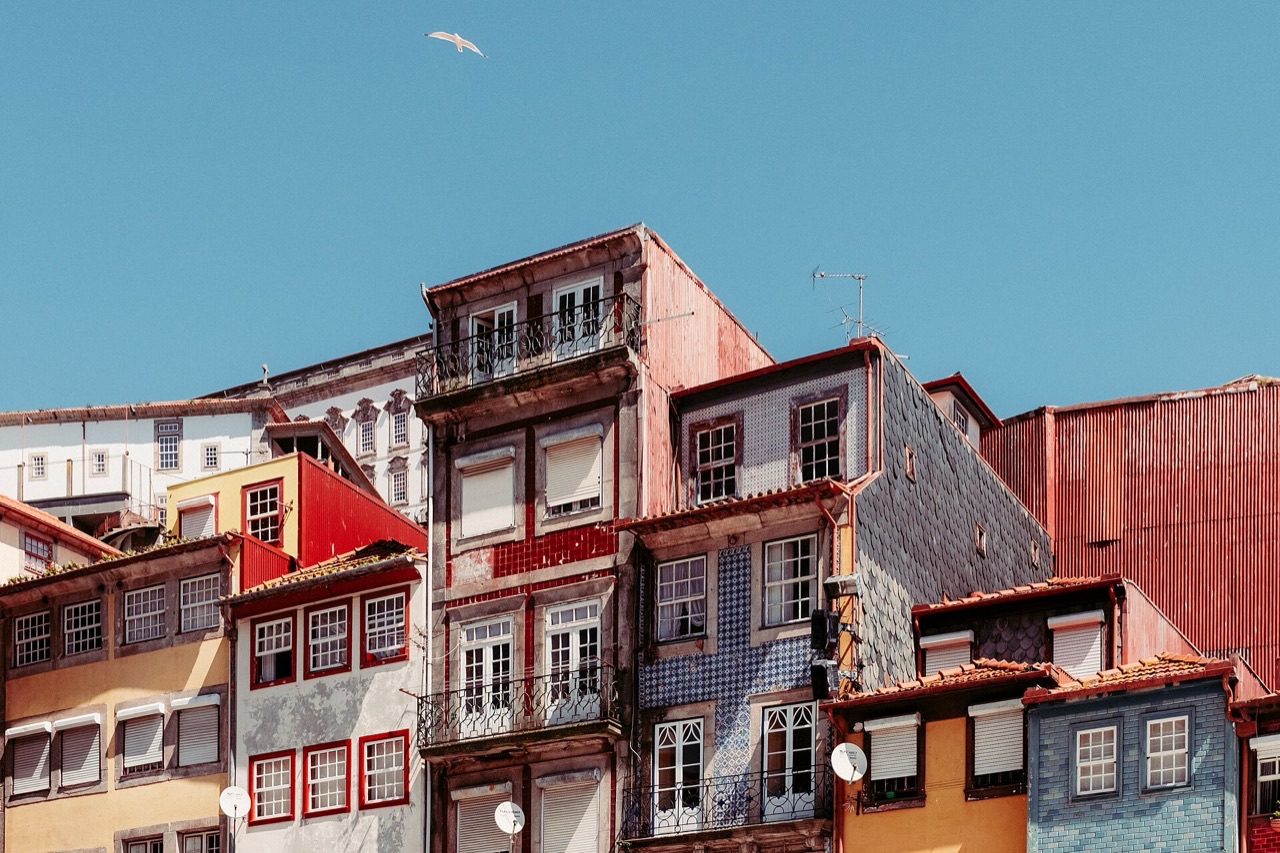
The light is the other reason. The sun comes up behind the Dom Luís I bridge, so the coloured house fronts along the quay catch it first while the Gaia bank stays in shadow. Photographers who walk with me at this hour rarely need to crop out a crowd.
The loop, step by step
The route is about three kilometres and takes an unhurried ninety minutes with one coffee stop. It is steep in places, because old Porto is built on a granite slope, but nothing a pair of flat shoes cannot handle. Every step back down is downhill, which is the kindest way to plan a walk here.
Follow the steps below in order. If you want to cut it short, the lower deck of the bridge brings you straight back to the quay, and from there our gate is five minutes along Rua do Rio.
- Leave our gate and turn left along Rua do Rio to the Ribeira quay, past the moored rabelo boats.
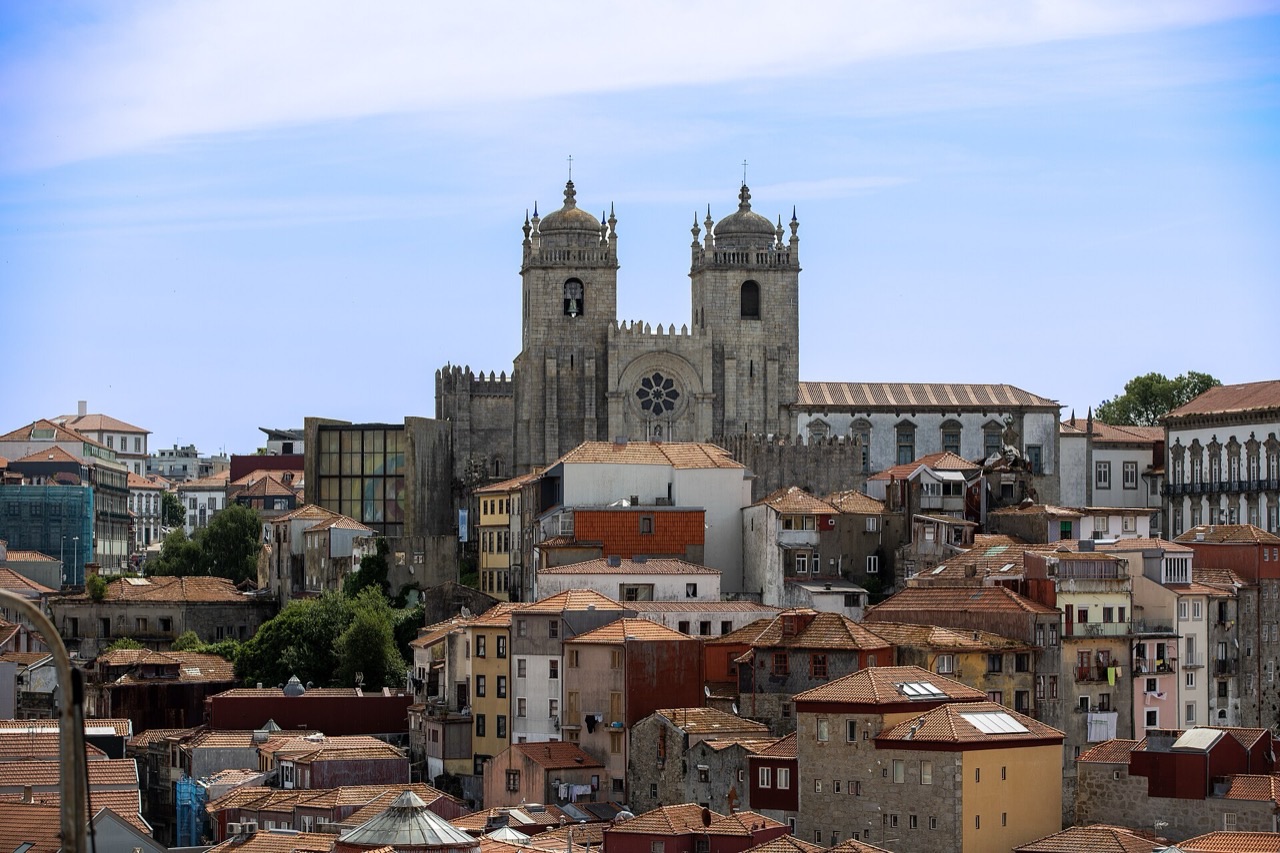
- Cut up the stepped lanes behind the arcades towards the cathedral terrace for the first view over the roofs.
- Walk along the cathedral square and take the top deck of the Dom Luís I bridge across to the Serra do Pilar viewpoint.
- Come back down the Gaia riverside, past the port lodges, still shuttered at this hour.
- Cross the lower deck of the bridge and return along the quay for breakfast on our terrace.
What to look for on the way
The Ribeira rewards people who look up. Many of the narrow houses still wear their nineteenth-century tiles, some plain blue and white, some patterned in green and ochre, and the iron balconies above them carry washing, geraniums and the occasional sleeping cat.
Look down too. The lanes are paved in small granite setts worn smooth by two centuries of feet, and the old stone mooring rings are still set into the quay wall. Behind the arcades, tiny workshops still mend shoes and sharpen knives, and they open earlier than any of the cafés.
- Tiled fronts: plain blue-and-white or patterned in green and ochre, many from the nineteenth century.
- Iron balconies: laundry, geraniums and a cat or two above the lanes.
- Granite setts: small paving stones worn smooth; wear shoes with some grip on damp mornings.
- Early workshops: cobblers and knife grinders open their shutters before the cafés do.
Breakfast when you get back
Time the loop well and you walk through our gate as the terrace opens. Breakfast is served from 7:00 to 10:30, and after a walk up and down the stepped lanes most guests head straight for the pastries and a second coffee by the rail.
If you would rather walk later, the same loop works at dusk, when the Gaia bank is lit by the setting sun and the bridge turns gold. Ask at reception and we will mark both versions on a paper map for you.
“Walk the Ribeira at seven and you meet the people who live there. Walk it at eleven and you mostly meet each other.”
Key takeaways
- Start by 7:00 for an empty quay and soft light on the house fronts.
- The loop is about three kilometres and ninety minutes, with steep stepped lanes.
- Finish back on our terrace, where breakfast runs from 7:00 to 10:30.
Want to start the walk at our gate? Choose a room by the river and ask reception for the marked map.