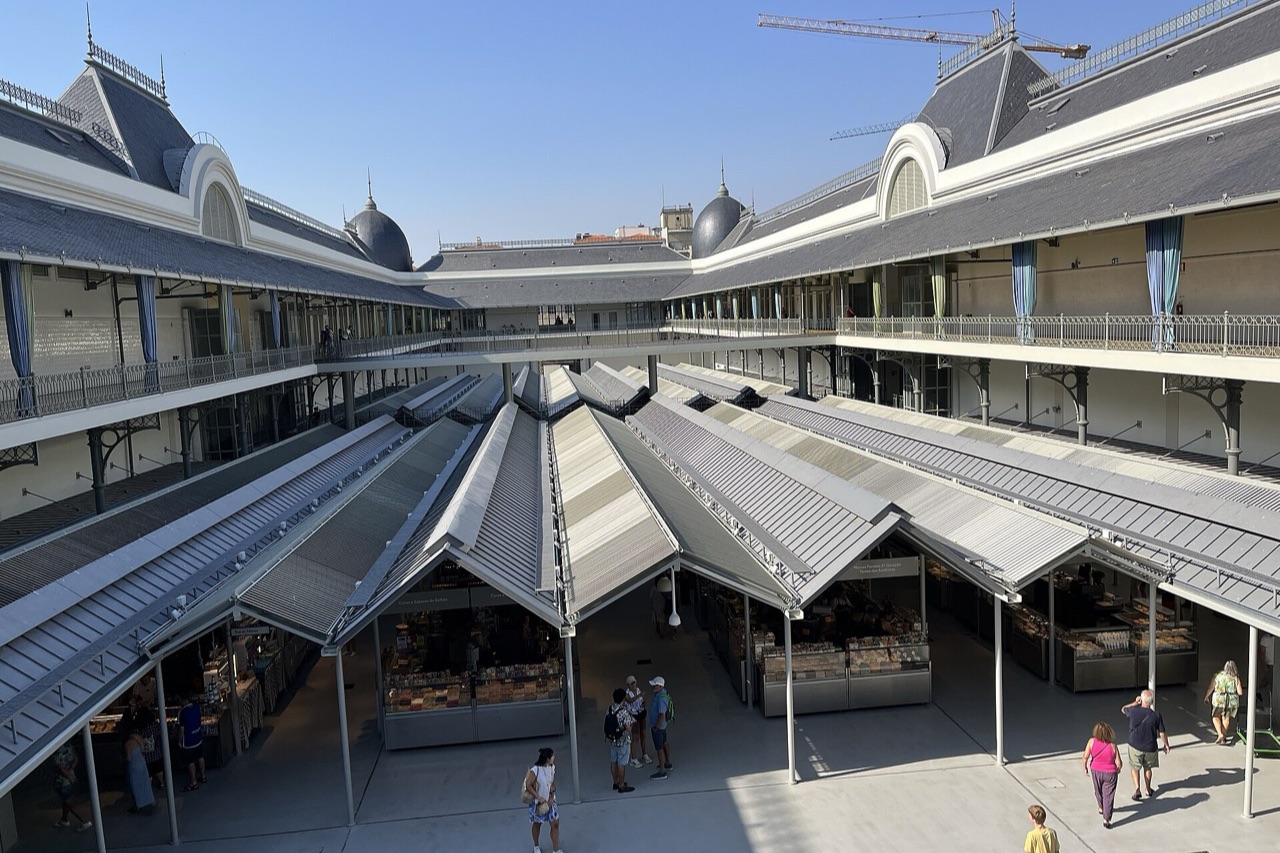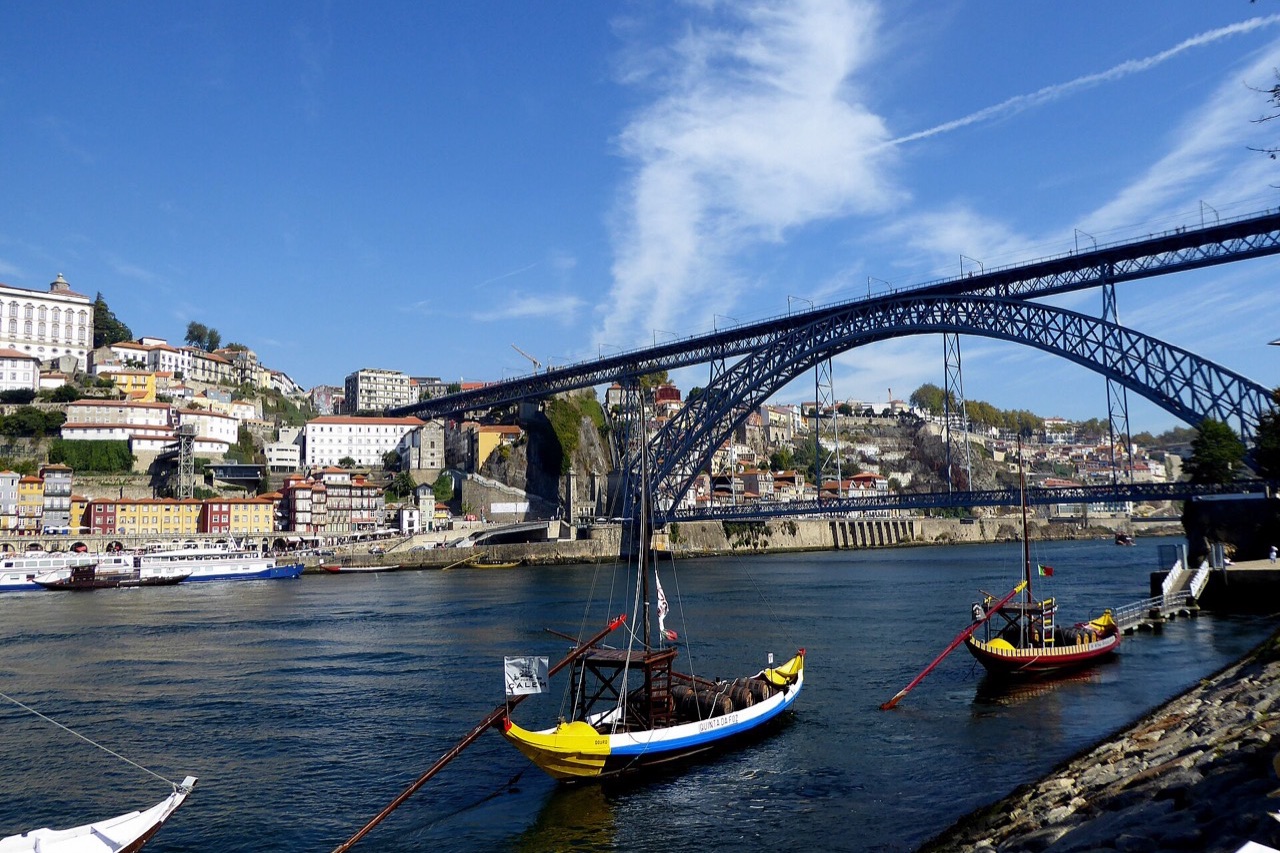
Porto tells its history on its walls. These eight photos follow a morning walk past blue-and-white azulejo panels, tiled house fronts and granite towers, with our concierge's notes on when to go and where to look.
A city written in blue and white
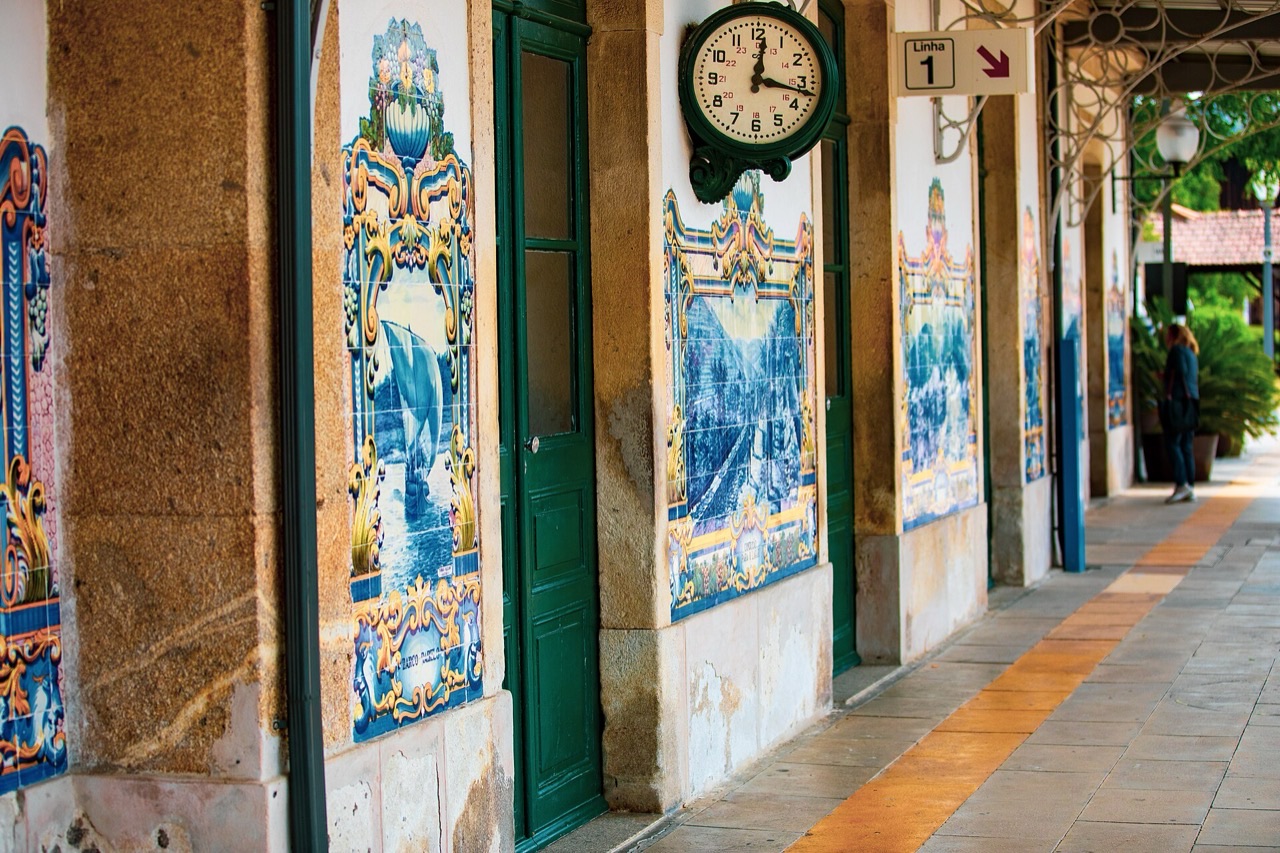
Azulejos are everywhere in Porto, and after a day you stop seeing them. That is why I like to walk the tiles on purpose, early in the morning, before the shops open and the light is still low enough to bring out the glaze. Plain house fronts, church walls and the hall of a railway station all tell a story if you slow down long enough to read it.
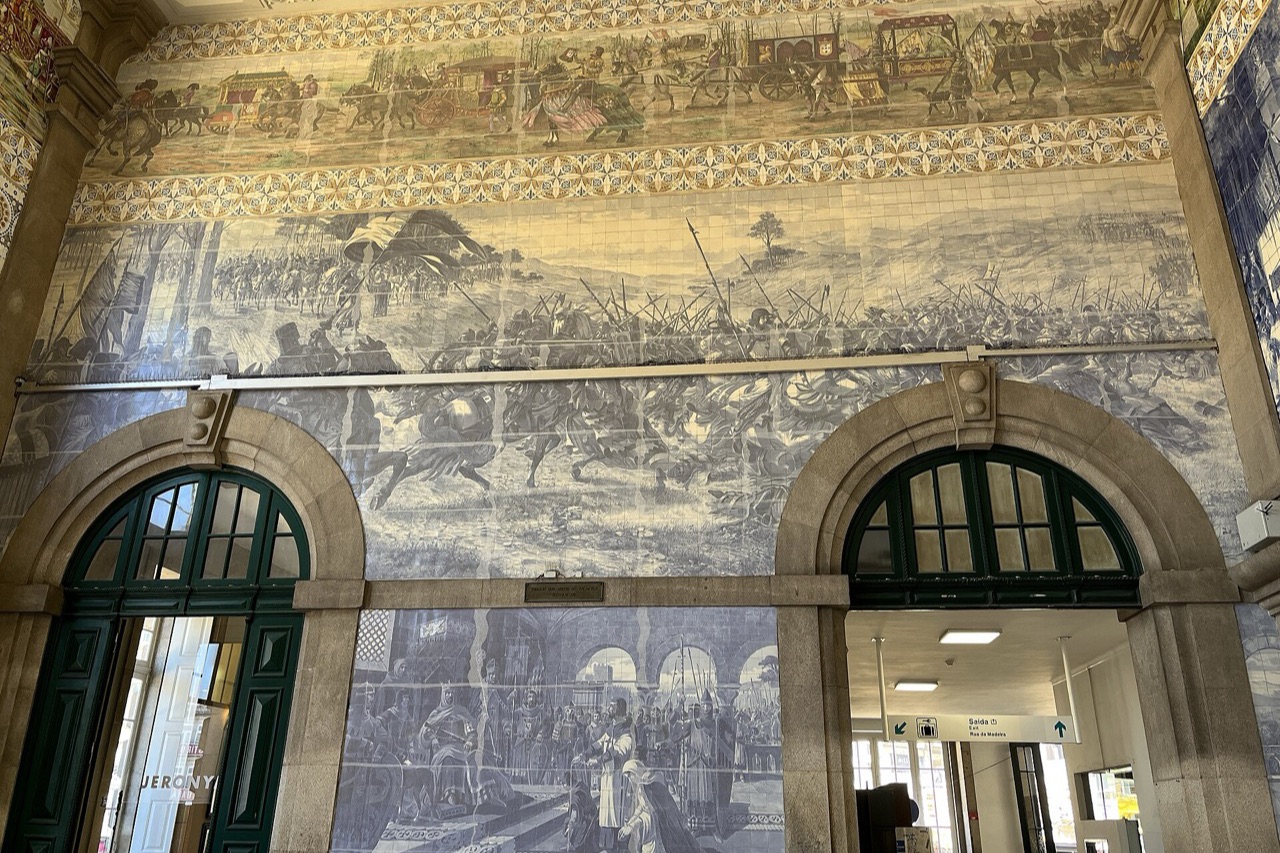
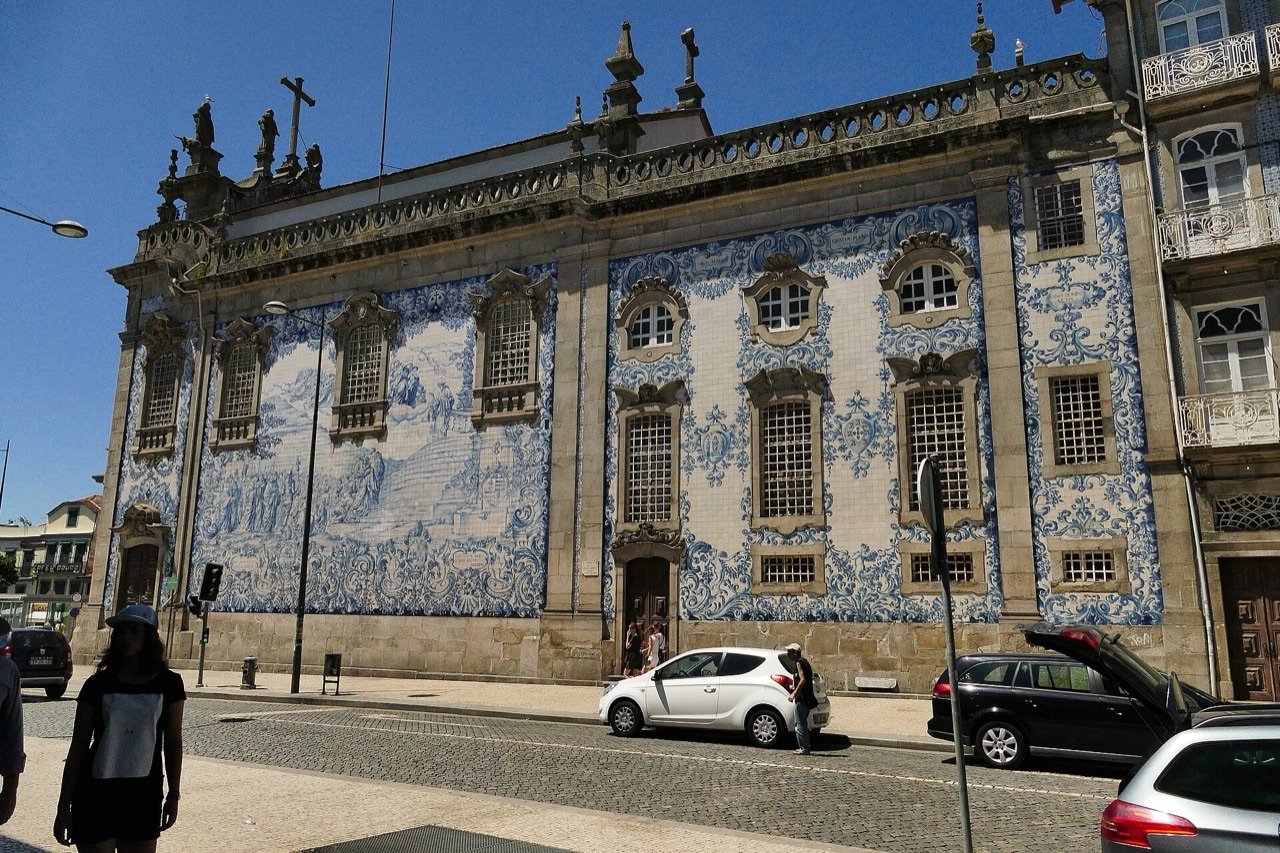
The word comes from an old term for a small polished stone, and the tradition is centuries old. In Porto the great tiled walls you see today mostly date from the early twentieth century, when tile workshops covered churches and public buildings with scenes of history, saints and country life in cobalt blue on white.
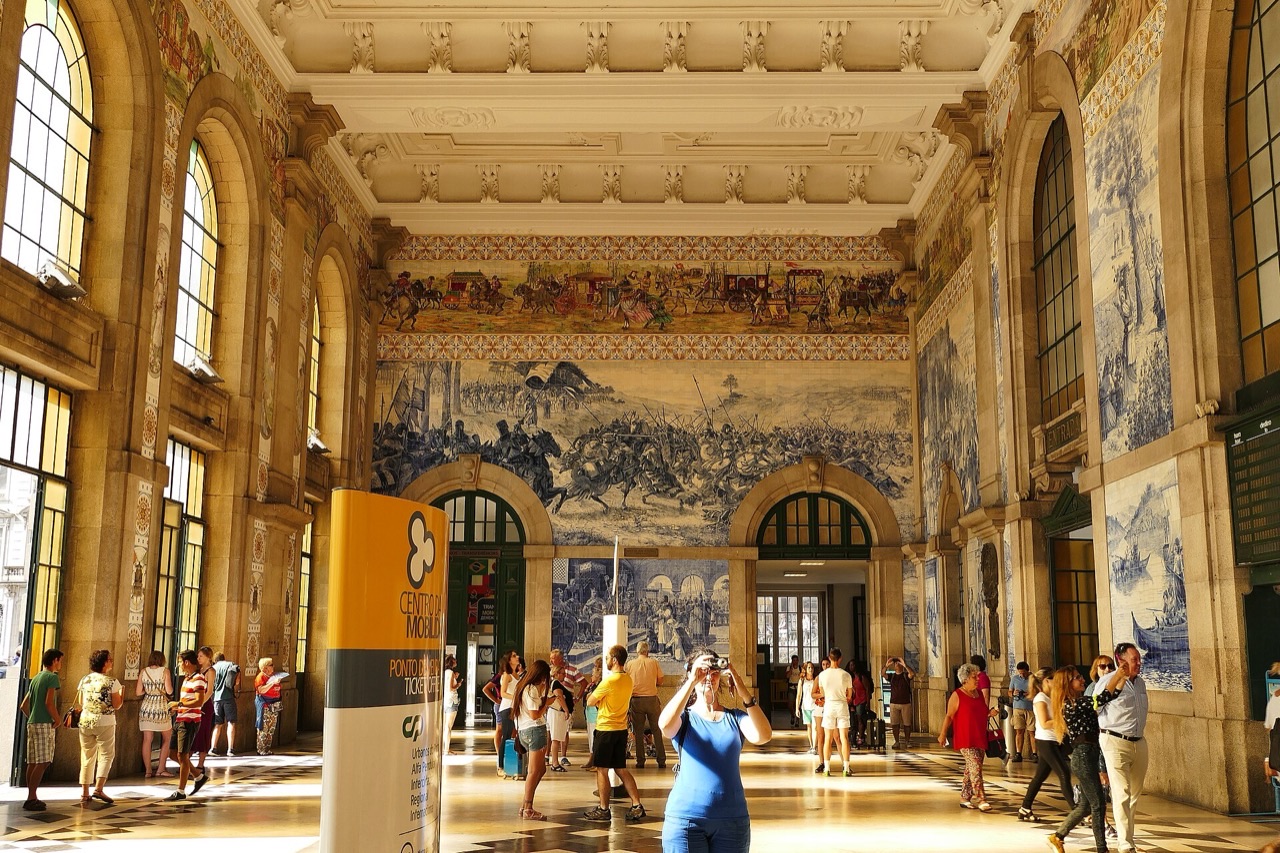
“Most people photograph the tiles and walk on. Stand still for two minutes in São Bento and the panels start telling you who built this city and how they lived.”
From São Bento to the cathedral
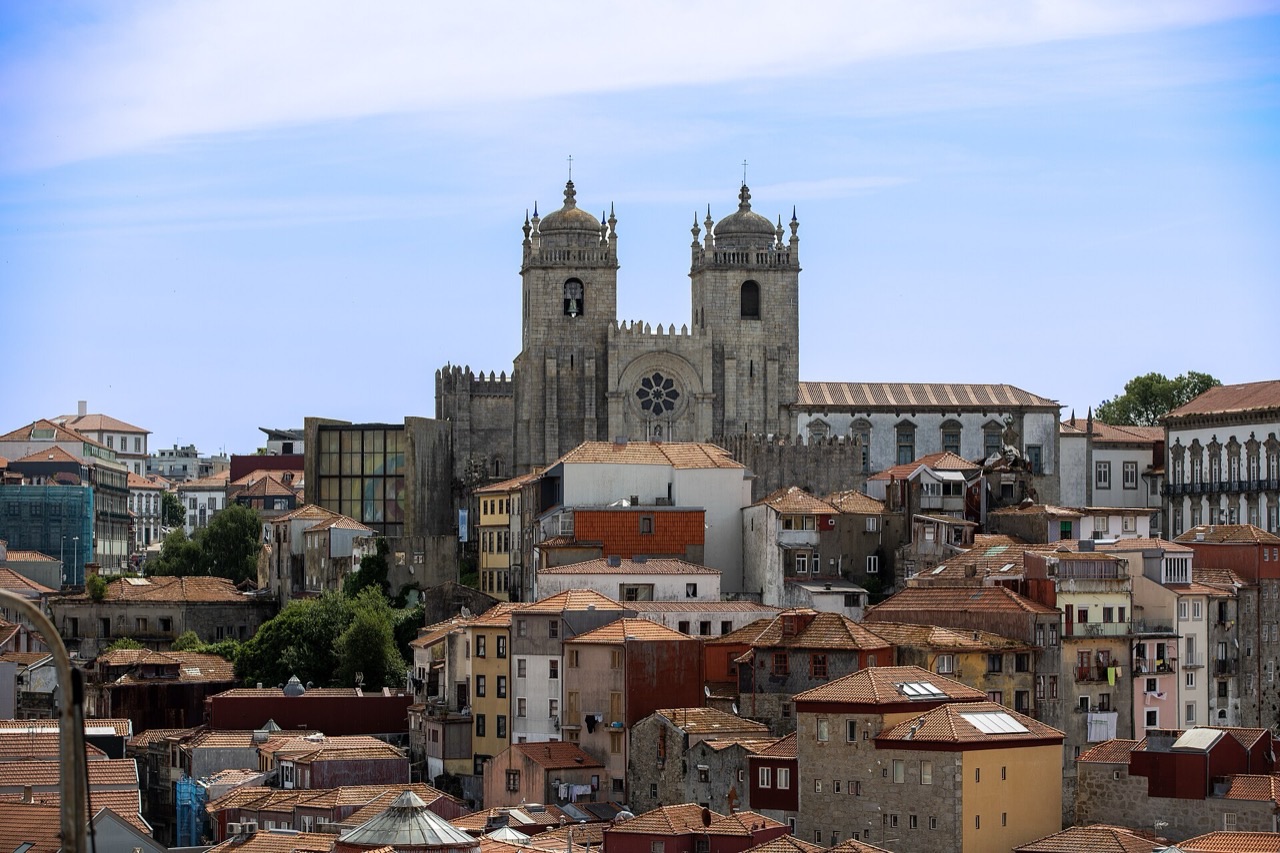
Start at São Bento station, fifteen minutes' walk from our gate. The entrance hall is free and opens with the first trains, so before eight you can stand in the middle of the floor almost alone. From there it is a short climb to the cathedral terrace, then down through the lanes towards the Clérigos tower and the tiled churches beyond it.
The whole loop takes about two and a half hours at an easy pace, with a coffee stop. Wear shoes with grip: the granite pavements are polished smooth and the streets between the river and the cathedral are steep in both directions.
| Time | Where | What to see |
|---|---|---|
| 8:00–8:45 | São Bento station hall | The great tile panels before the crowds |
| 9:00–9:45 | Cathedral terrace | Roofs, river views and the cloister tiles |
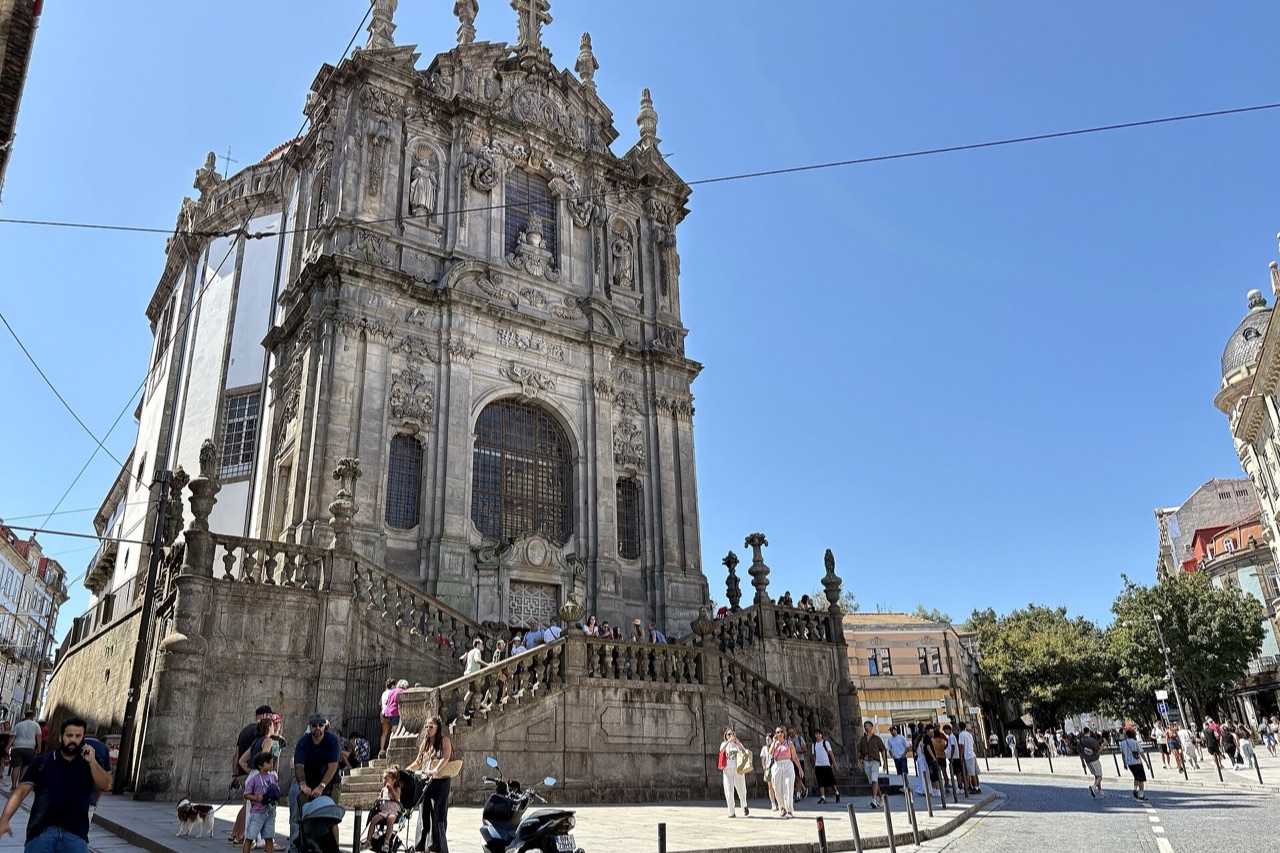
| 10:00–10:45 | Clérigos tower | Baroque granite; climb the tower if the queue is short |
| 11:00–11:30 | Tiled church walls uphill | Whole facades in blue and white, best in side light |
How to look at tiles
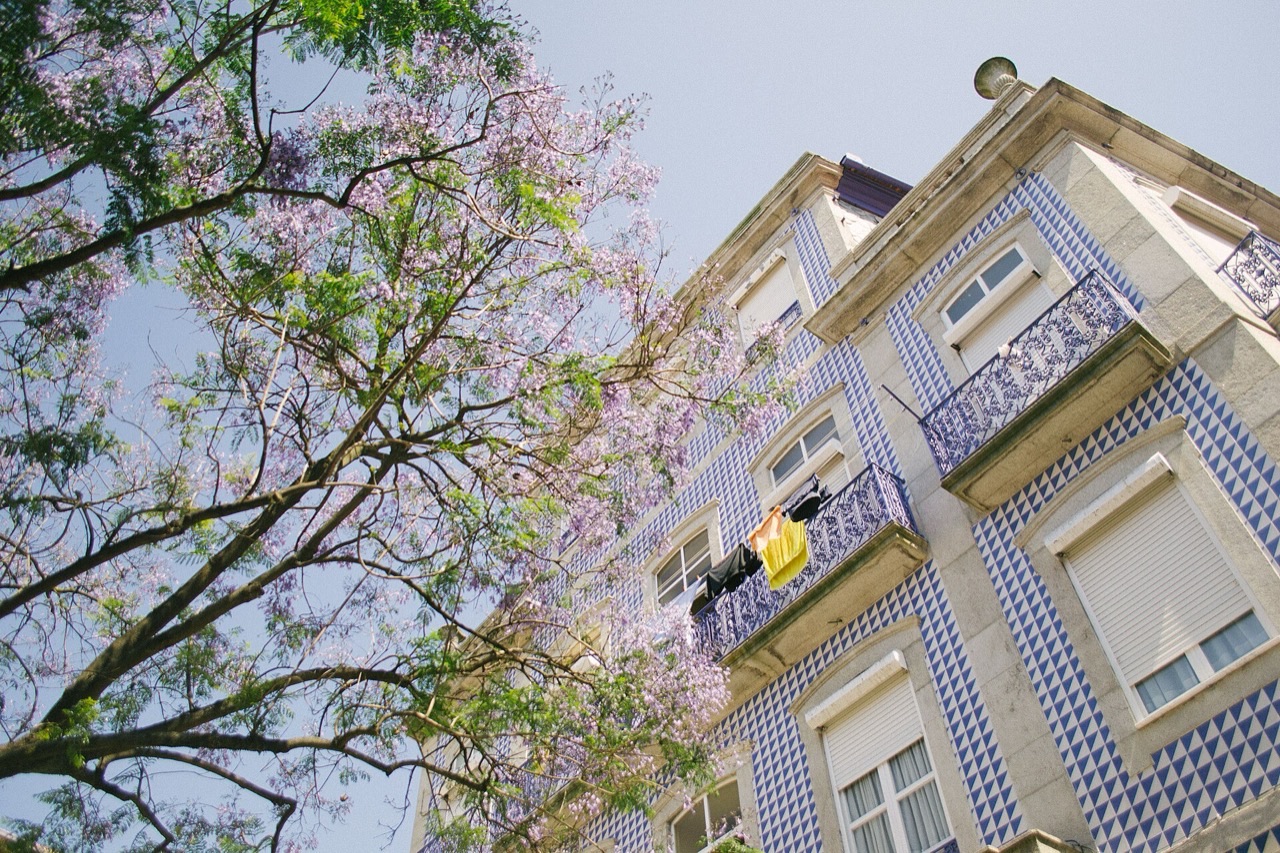
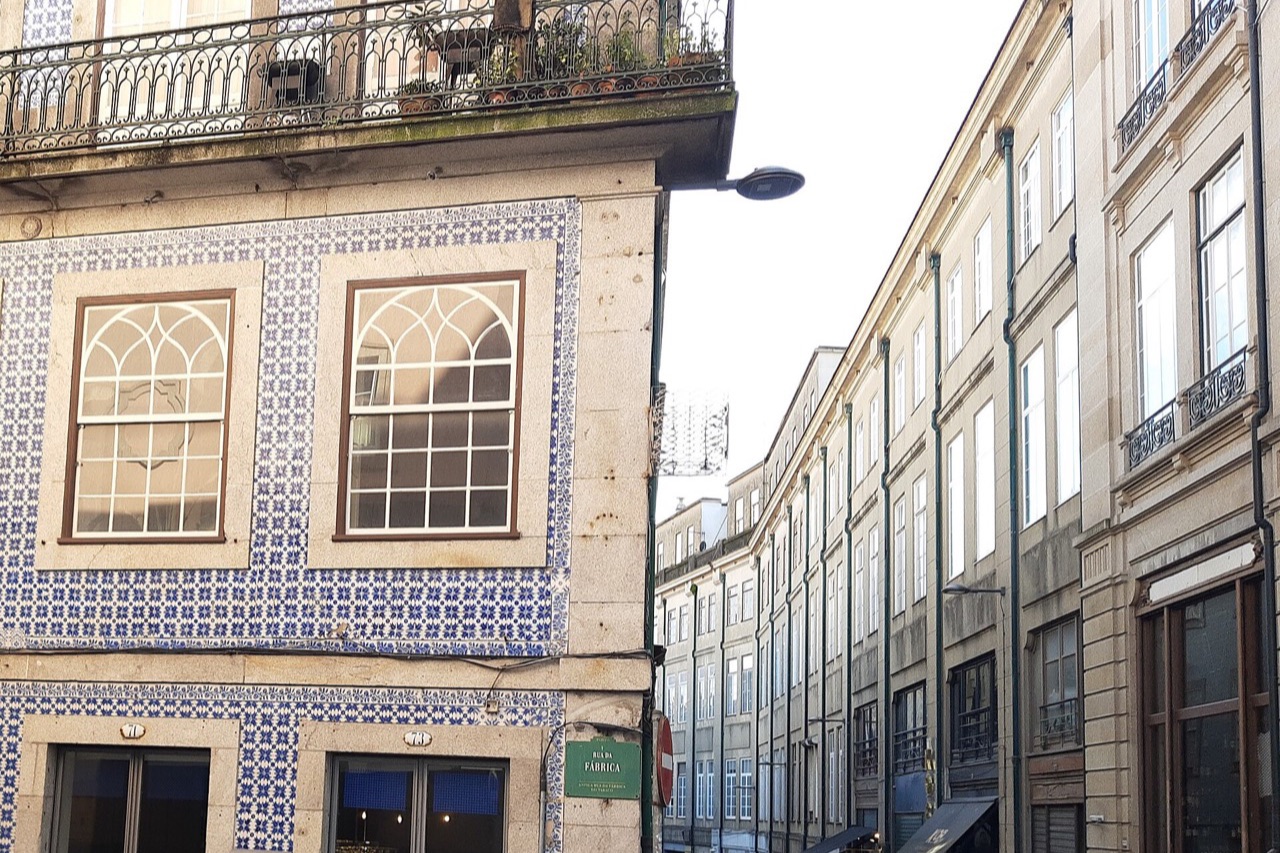
Tile panels are made to be read from a distance first. Step back to the opposite pavement and take in the whole scene, then walk up close to see the brushwork, the joins and the small repairs. On house fronts, look for raised relief tiles that catch the side light, and for a single replaced tile that never quite matches its neighbours.
Please never touch or lean on a panel, and do not buy loose antique tiles from street stalls. Many come from buildings that were stripped, and the city works hard to keep its walls whole. The modern workshops in town sell new hand-painted tiles that make a far better souvenir.
- Light: early morning or late afternoon side light shows the glaze and the relief best.
- Distance: read a panel from across the street first, then go close for the brushwork.
- Respect: no touching, no leaning and no loose antique tiles from street stalls.
- Souvenir: a new hand-painted tile from a working studio costs about $15 and packs flat.
Key takeaways
- São Bento station hall is free and quietest before 8:45.
- The loop to the cathedral and the Clérigos tower takes about two and a half hours.
- Buy new hand-painted tiles from a studio, never loose antique ones.
Want a tiled walk planned around your stay? Ask our concierge to map the morning, or book a room five minutes from the Ribeira.