Old Porto is best seen slowly, one café at a time. Our kitchen team shares the morning route they walk on days off, with what to order, where to stand and when the streets are still quiet.
Why cafés are the best way into the city
Most visitors reach the Ribeira at ten, follow the crowds along the quay and climb to the cathedral by noon. The people who live here keep a different clock. They are at the counter by half past seven with a small coffee and a pastry, reading the paper while the shutters go up on the steep streets.
A café crawl lets you join that rhythm. You stand, you drink, you watch the neighbourhood wake up and you move on when the cup is empty. Five minutes' walk from our gate, the first café on the quay is serving before the river mist has lifted.
A route for one unhurried morning
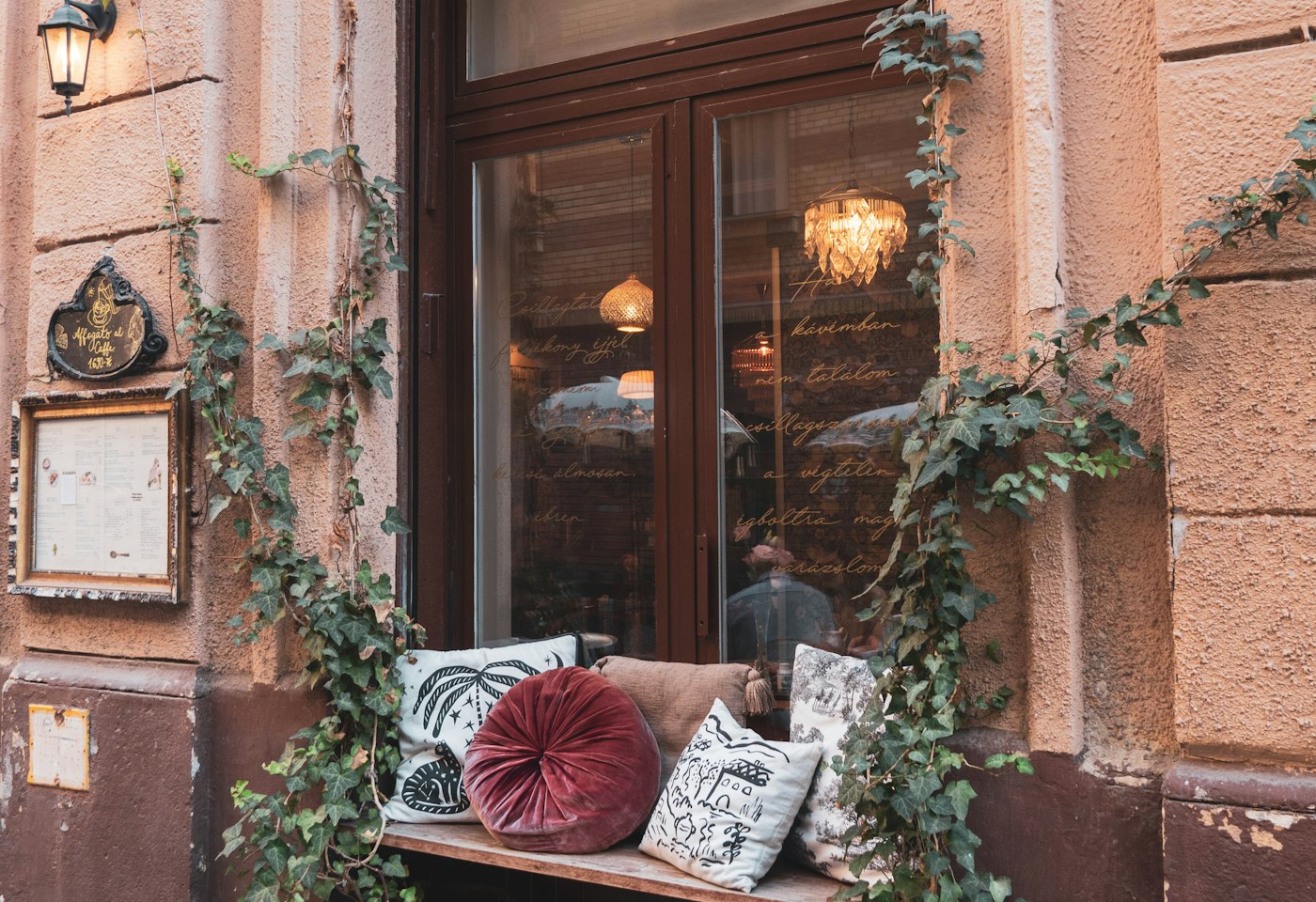
Start at the bottom, on the quay, where the small family cafés open earliest and the view of the rabelo boats is free. From there climb the stepped lanes towards the cathedral, where the counters are older, narrower and full of regulars who all know each other's names.
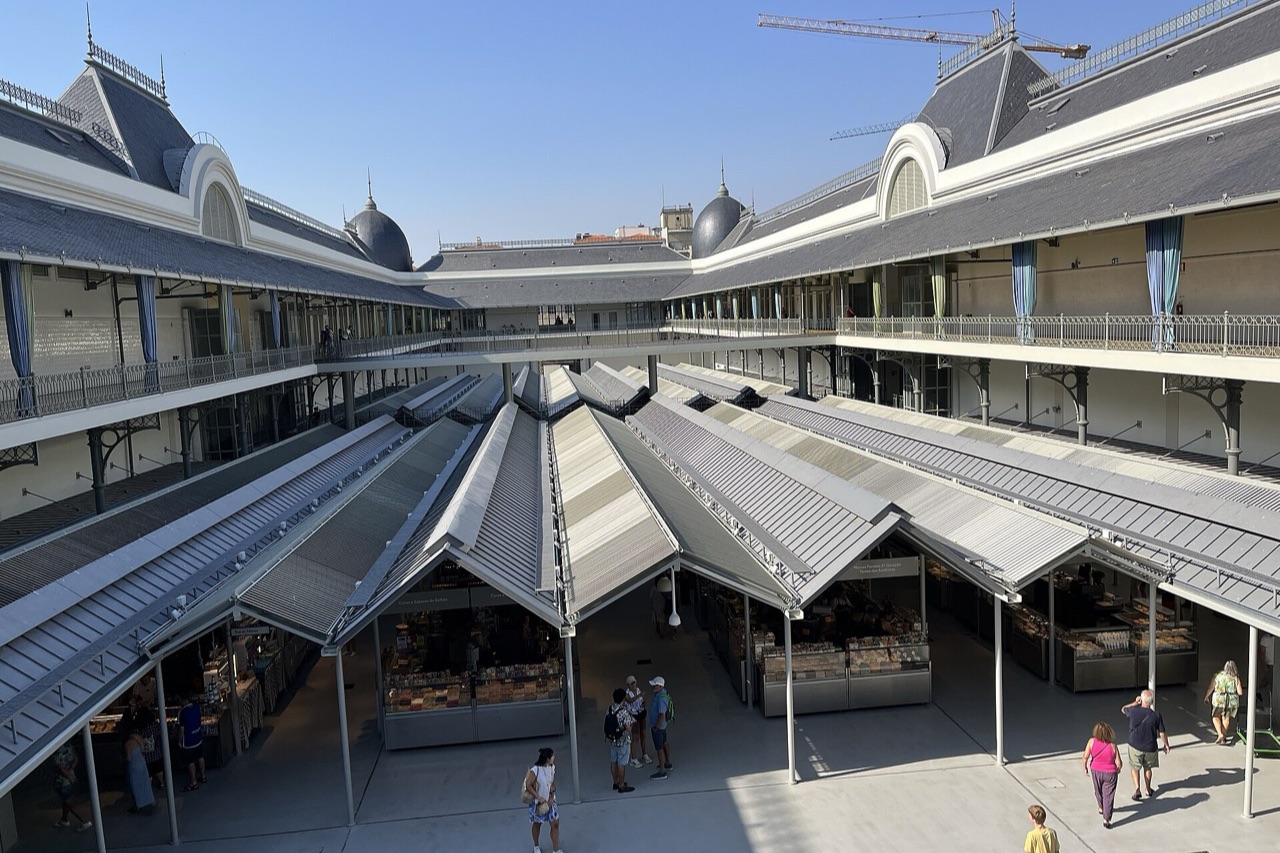
Finish on the flat streets around the Bolhão market. The grand old cafés there have mirrored walls, carved ceilings and waiters in white jackets. By then it is half past nine, the city is busy, and you have had three coffees and seen it before most guests.
- Leave our gate at 7:30 and walk along the quay to the first café facing the boats.
- Climb the stepped lanes towards the cathedral and stop at a counter halfway up.
- Cross towards the Bolhão market and look into the bakeries on the way.
- End in one of the grand cafés with a galão and a table by the window.
What to order
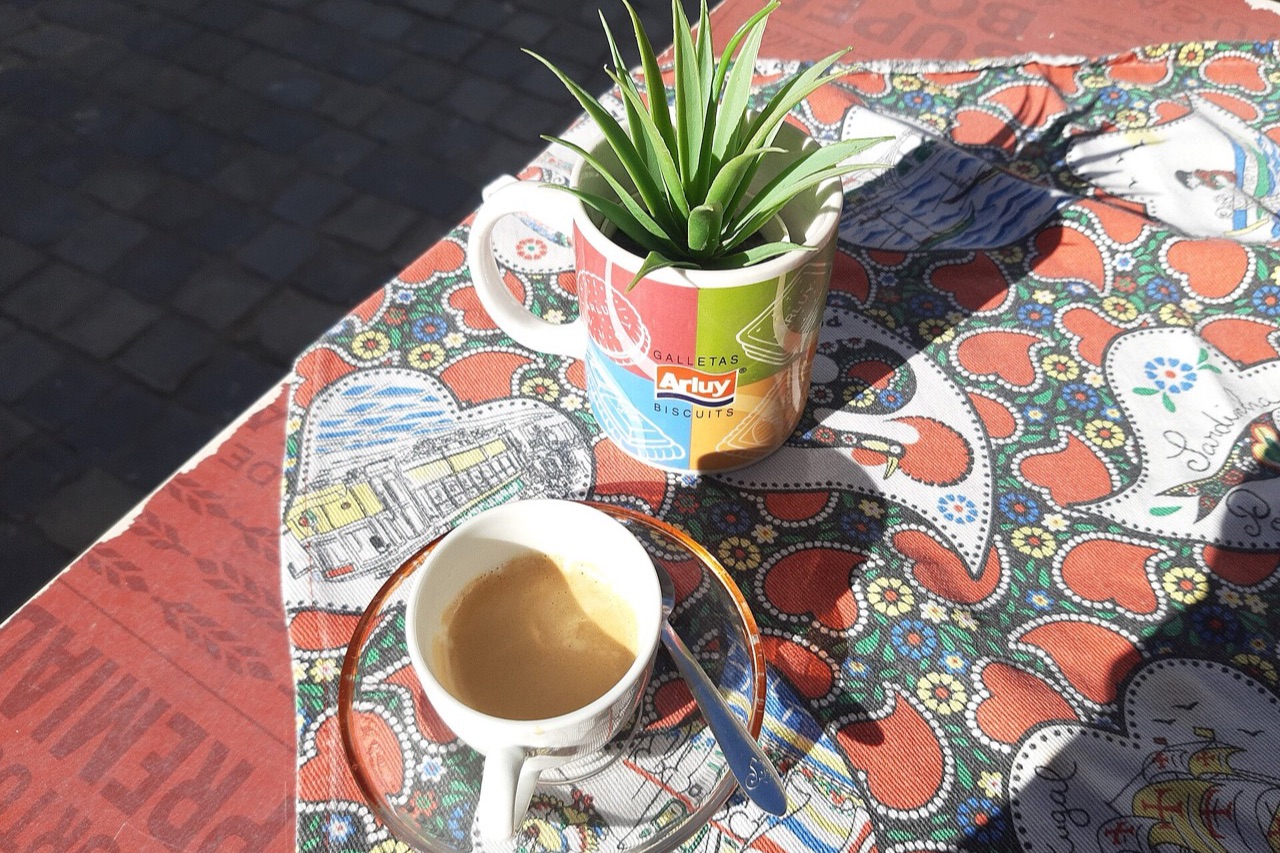
Porto coffee is short and strong. Ask for a cimbalino, the local name for an espresso, or a pingado if you want a drop of milk in it. A galão is a tall glass of milky coffee for slow mornings, and a meia de leite is the same thing in a cup.
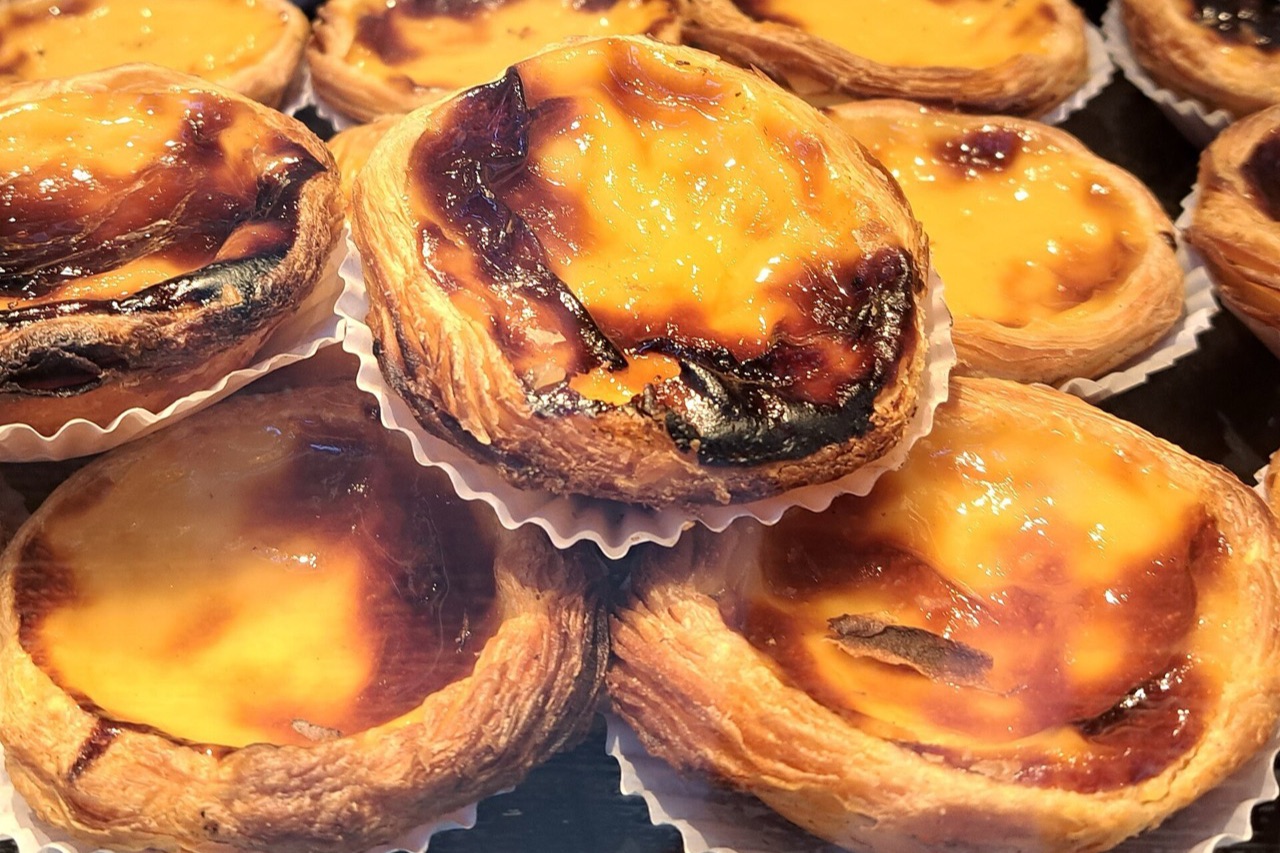
At the pastry counter, a pastel de nata is never a bad idea, but look also for a bola de Berlim, a sugared doughnut filled with egg cream, and the small almond cakes that older customers eat standing up. Most cafés also pour fresh orange juice and a glass of water without being asked.
- Cimbalino: a short, strong espresso, the everyday order at the counter.
- Galão: milky coffee in a tall glass, good with a slow pastry.
- Pastel de nata: the custard tart, best still warm and dusted with cinnamon.
- Bola de Berlim: a sugared doughnut filled with egg cream, an old seaside favourite.
A few manners worth knowing
Coffee at the counter costs less than coffee at a table, so do as the regulars do and stand if you are only staying a few minutes. A coffee costs around $1 and a pastry a little more. Pay when you leave, not when you order, and keep a few coins for small bills.
Photographs are welcome in most places, but ask before you point a camera at the people at the bar. A smile and a nod at the phone is enough. If you want a quiet table, the back rooms of the grand cafés are almost always empty before ten.
“The best coffee in Porto is the one you drink standing up, next to a neighbour who has been ordering the same thing for forty years.”
Key takeaways
- Start before nine, when the quay and the old streets are still quiet.
- Order a cimbalino at the counter and a pastry from the glass case.
- Stand at the bar if you are staying a few minutes; it costs less.
Planning your own café morning? Ask our team for a printed map of the route when you check in.