The Bolhão market is where our kitchen starts most days. Our head chef explains how the building works, what to buy in each season and how to shop politely when you do not speak Portuguese.
A market with a rhythm of its own
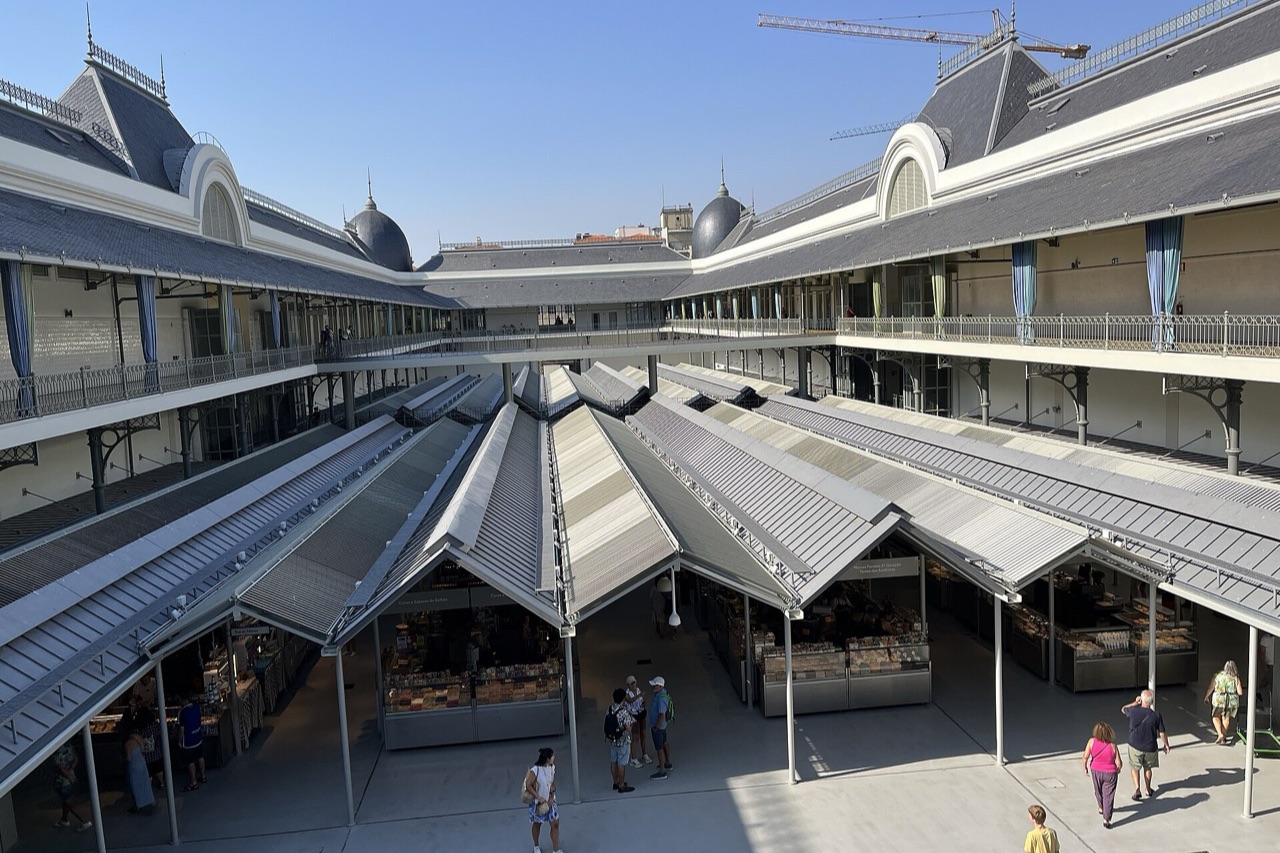
The Bolhão sits in the middle of the city, a fifteen-minute walk uphill from our gate or three stops on the metro. Its iron roofs cover a courtyard on two levels, with fish and meat below and fruit, flowers, bread and cheese around the gallery above.
The market opens early and is busiest from eight to ten, when restaurant cooks and older shoppers do their rounds. Come then for the best choice, or after eleven for a calmer walk and a chat with the stallholders, who have more time to let you taste.
How the market is laid out
The lower floor is the serious end. Fishmongers lay out hake, sea bream, octopus and, from June, mountains of silver sardines on ice. Next to them the butchers cut pork for roasts and smoked sausages, and the salt cod sellers stack their stiff white fillets like books.
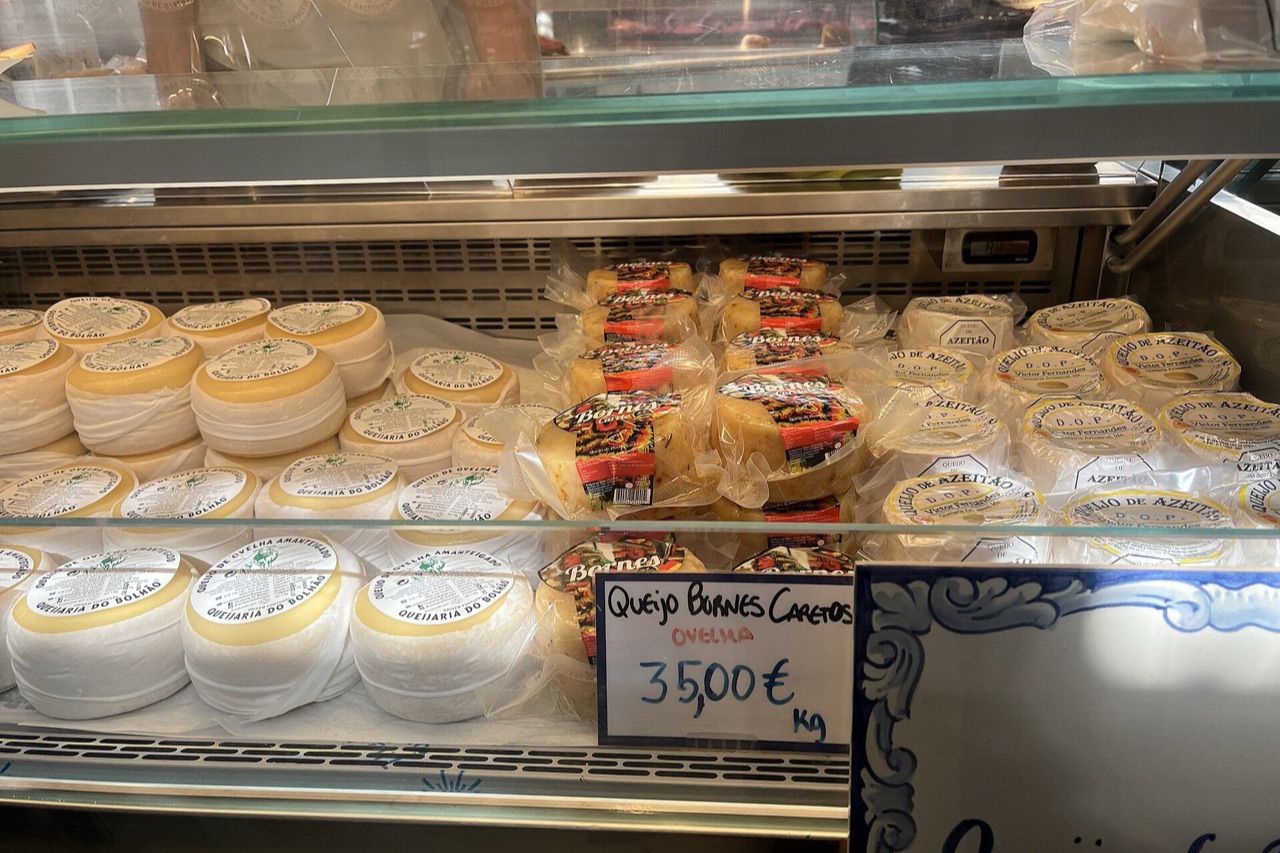
Upstairs the light is softer. Here you will find cheese from the mountains, dried fruit and spices, honey, olive oil, flowers and the small bakeries selling round loaves of corn bread. A few counters serve soup, sandwiches and wine to shoppers who need a rest.
| Season | Look for | Kitchen tip |
|---|---|---|
| Spring | Broad beans, peas, strawberries | Eat the strawberries the same day |
| Summer | Sardines, tomatoes, figs | Sardines are best from June to August |
| Autumn | Chestnuts, grapes, mushrooms | Roast chestnuts on the street are a snack |
| Winter | Oranges, cabbage, salt cod | Green soup with corn bread on cold days |
What is in season
Porto cooks shop by the calendar. Spring brings broad beans, peas and the first strawberries from the coast. Summer is sardines, tomatoes, figs and peaches from the Douro valley. Autumn fills the stalls with chestnuts, grapes, quince and wild mushrooms from the north.
Winter is the time for oranges, cabbage for green soup, turnip tops and the best salt cod of the year. If a stall is crowded with locals, it is usually because something has just come into season, so follow the queue.
- Mountain cheese: soft or cured, sold by the wedge; ask to taste first.
- Corn bread: dense, crusty and made for soup; one loaf feeds four.
- Salt cod: sold dry, then soaked for two days at home; ask for a thick loin.
- Honey and quince paste: good gifts that travel well in a suitcase.
How to buy without fuss
Most stallholders weigh by the kilo but are happy to sell you a single cheese wedge or three peaches. Point, smile and say obrigado or obrigada. Many sellers will offer a taste before you buy, especially of cheese, honey and olives.
Carry a cloth bag and some small notes, although most stalls now take cards. If you plan to buy fish or meat, ask us the day before and we will keep a space in the kitchen fridge for you, or cook your catch for dinner for a small fee.
“If a stallholder hands you a piece of cheese to try, you are not obliged to buy, but you will usually want to.”
Key takeaways
- Go between eight and ten for choice, or after eleven for calm.
- Fish and meat are downstairs; cheese, fruit and bread are upstairs.
- Ask us the day before if you want your market fish cooked for dinner.
Want to shop with our chef? Ask about a Saturday market walk before your pastry class.