When the major streaming services began tagging machine-generated songs this year, many predicted nobody would care. Early data suggests listeners are skipping them at nearly double the usual rate.
Side A, track one
The record opens with a tape hiss long enough that you check whether your speakers are working, and then everything arrives at once. It is a bold way to begin an album in an age of skip buttons, and it signals exactly the kind of attention this music expects from you.
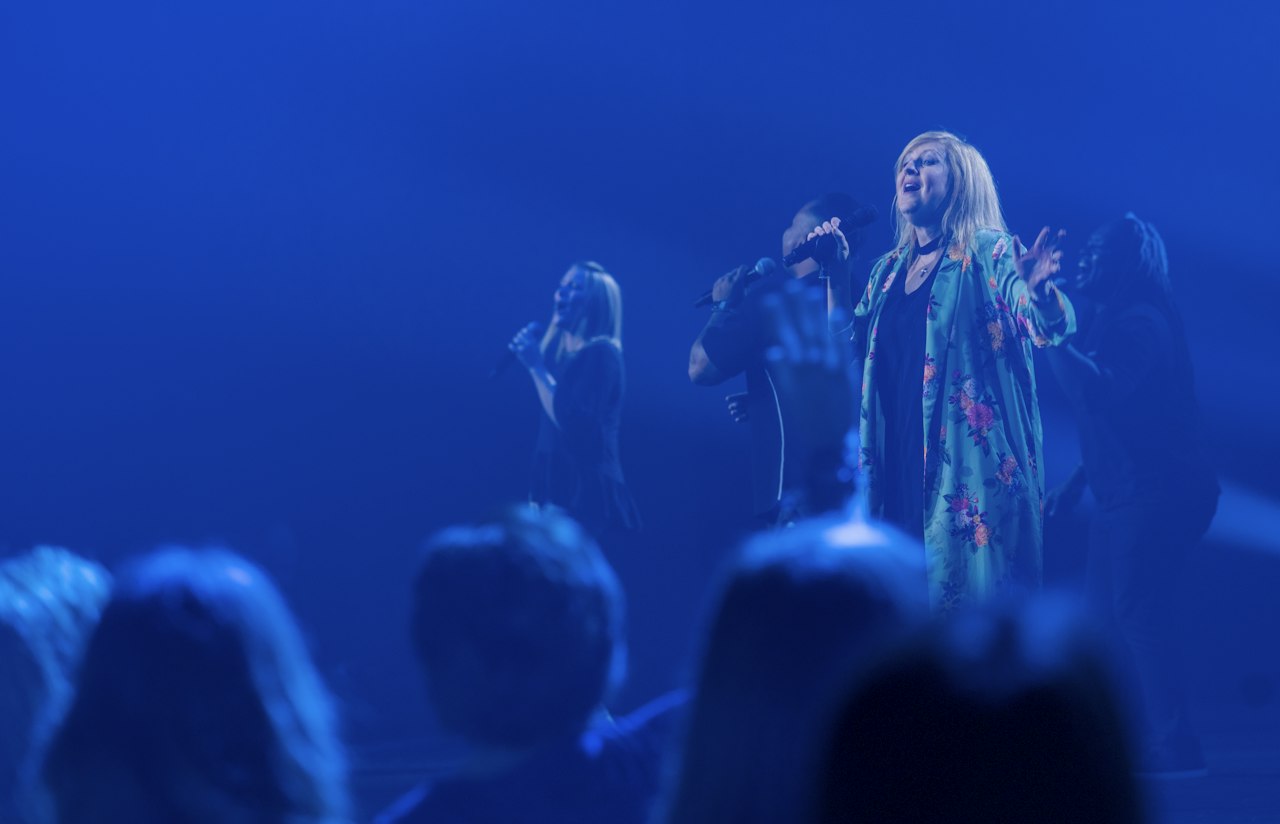
People do not only listen to a song. They listen to someone.
The sound of the room
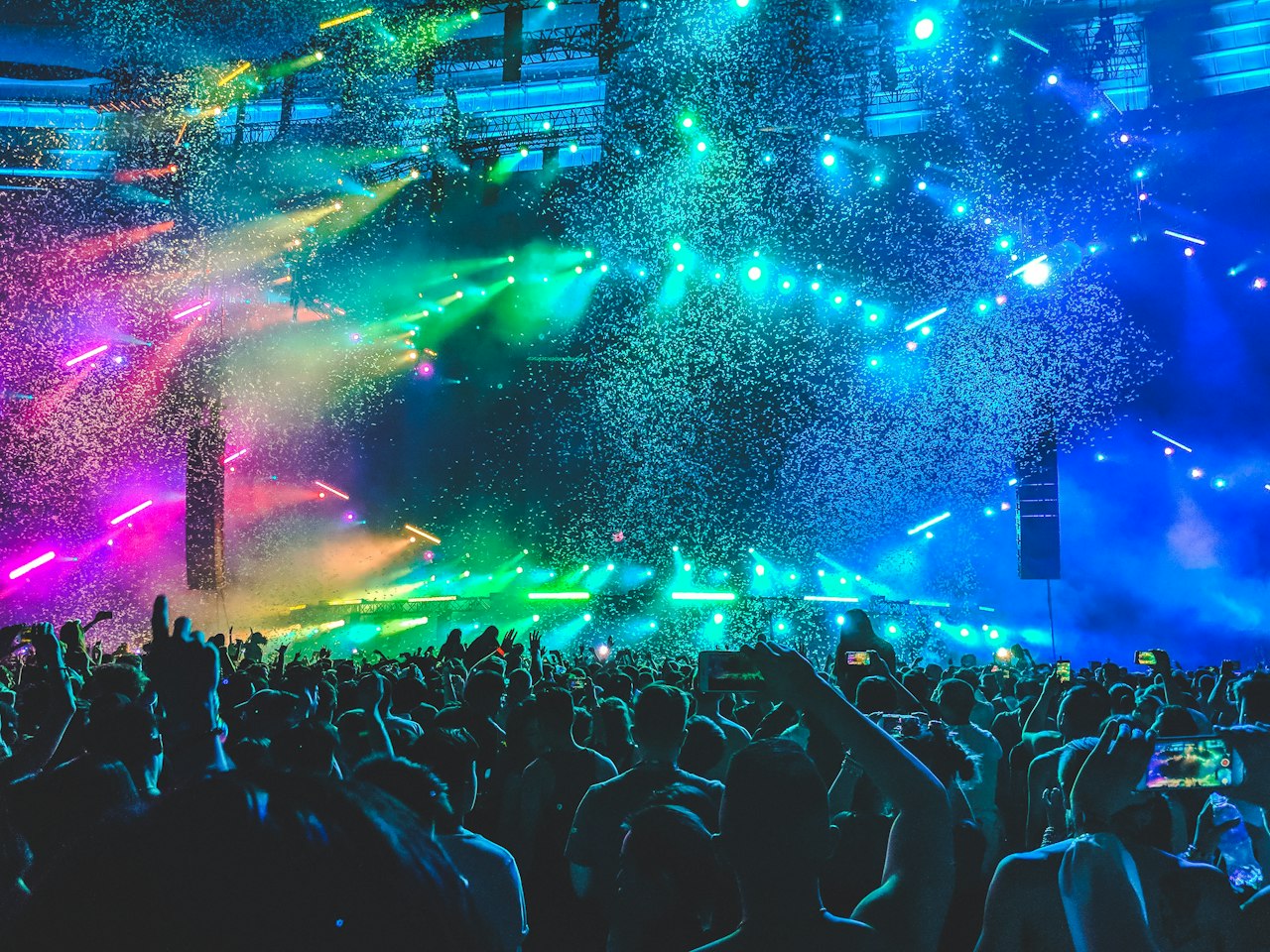
Live venues under five hundred capacity remain the fragile centre of the whole business. They are where bands learn to play, where audiences learn to listen, and where the arithmetic of ticket prices and rising rents is at its most unforgiving. Several have started selling community shares to stay open.
What the stream cannot carry
Listen to the drums on the third track, recorded in a disused swimming pool with two microphones and an enormous amount of patience. You cannot fake that kind of room. Producers have spent decades trying, and even the newest software still sounds like someone describing a building it has never visited.
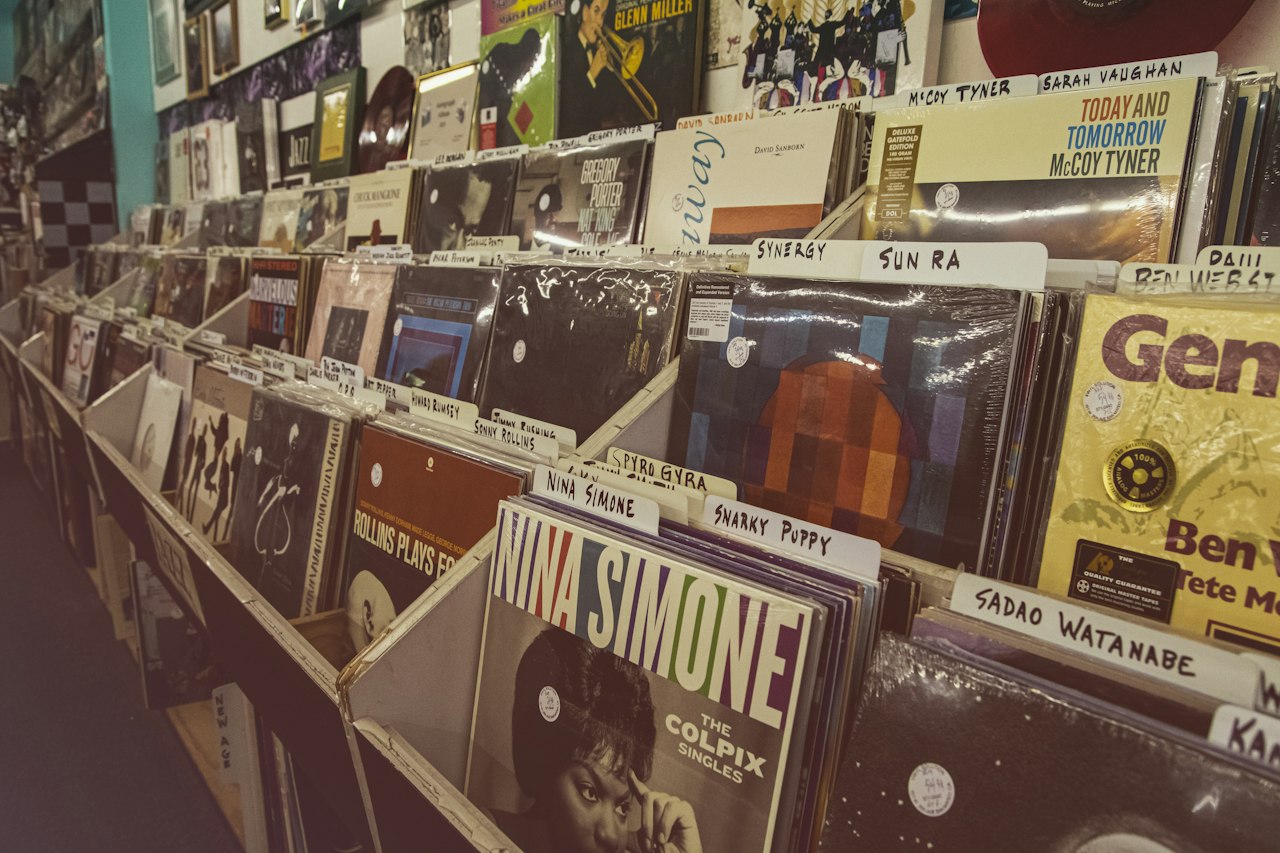
There is a temptation to file this under nostalgia, given the analogue gear and the gatefold sleeve. That would be a mistake. The songs are too restless, too interested in what comes next. It only sounds old in the way that a good wooden table sounds old when you knock on it.