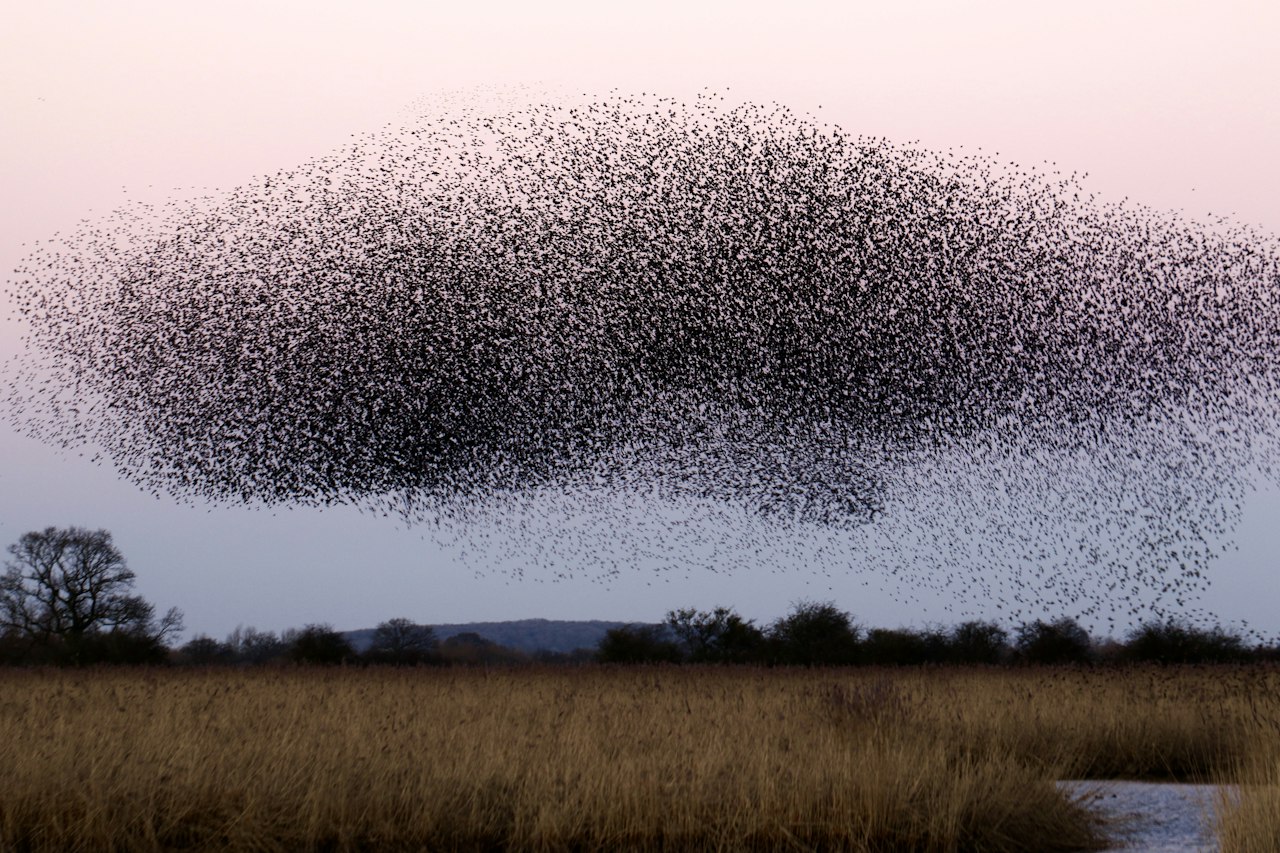

Just before dusk on a cold November evening, a hundred thousand birds begin to fold and pour across the sky over the Somerset Levels, and everyone stops talking.
First light
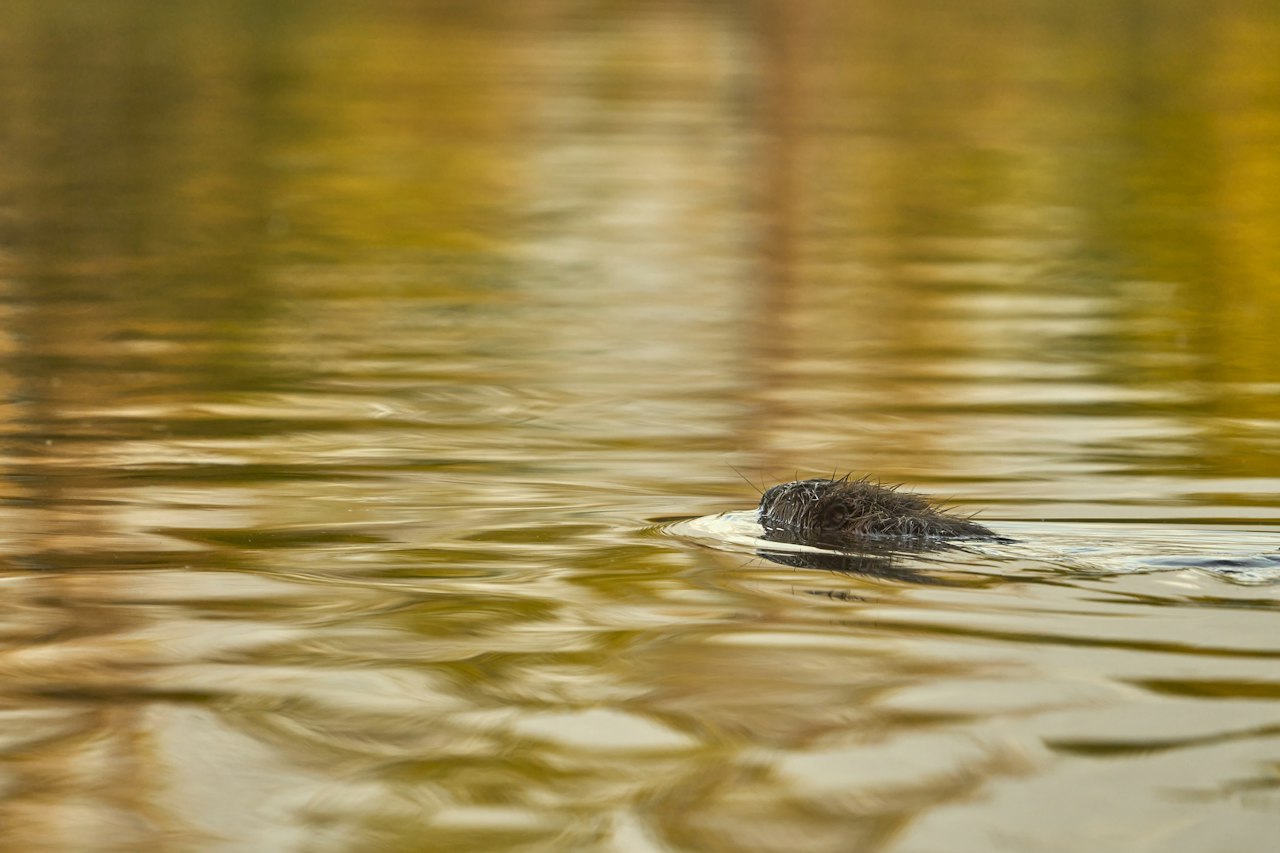
You hear them before you see them, which is typical. There is a rustle in the reeds, an alarm call from somewhere behind you, and then a long stretch of nothing while your feet slowly go numb. Watching wildlife is largely an education in how to sit still and feel slightly foolish.
It is the closest thing nature has to a standing ovation.
A closer look
Numbers are up in several areas where the habitat has been left alone or carefully restored, and conservationists are cautiously pleased. The story is rarely simple. A recovery in one place can reflect a loss in another, which is why long, boring, volunteer-led surveys remain so very valuable.
How to see them
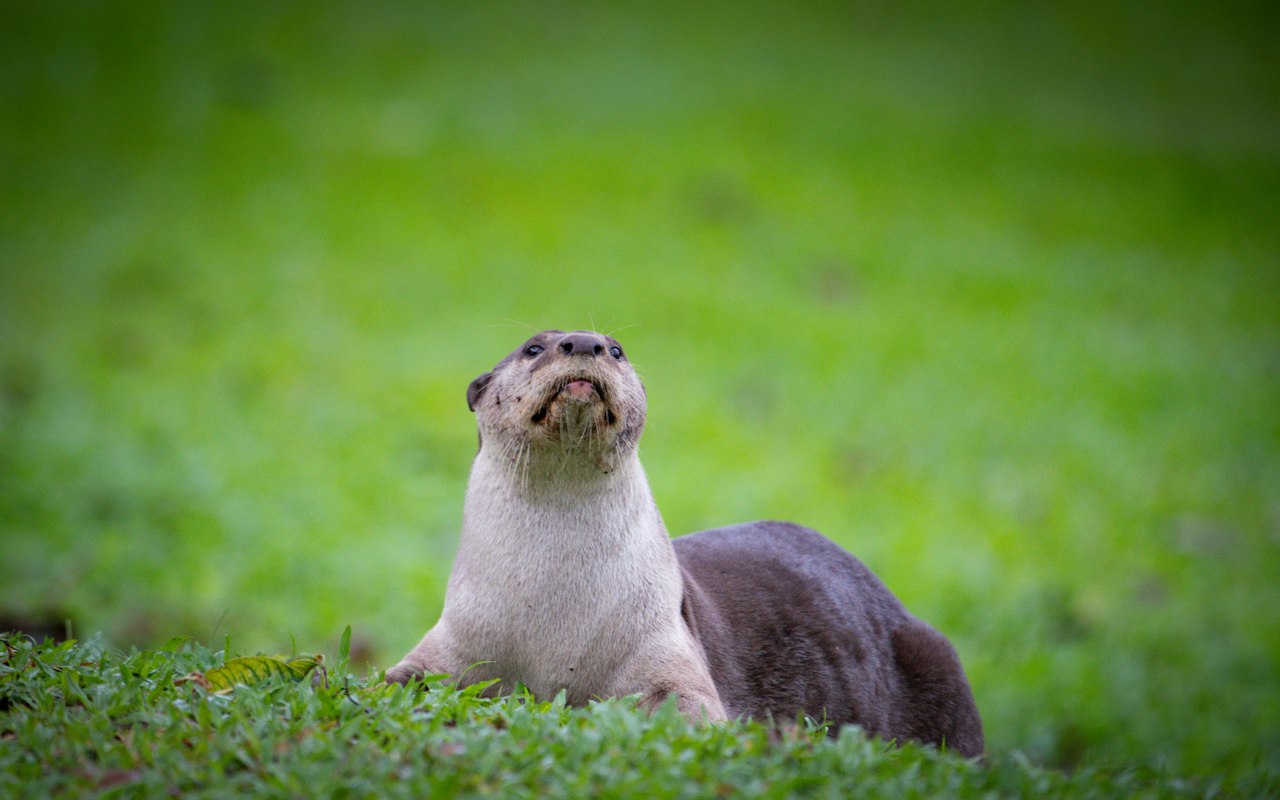
Behaviour is what stays with you. Anyone can tick a species off a list. It is another thing to watch a parent bird feign a broken wing to draw you from its nest, or to notice how a whole hillside changes mood the moment that a shadow slides across it.
Please keep your distance, keep dogs on leads in the nesting season and stick to the marked paths. Dawn and dusk are by far your best chance. Bring binoculars, a flask and low expectations, and you will almost always come home with a better story than you expected.