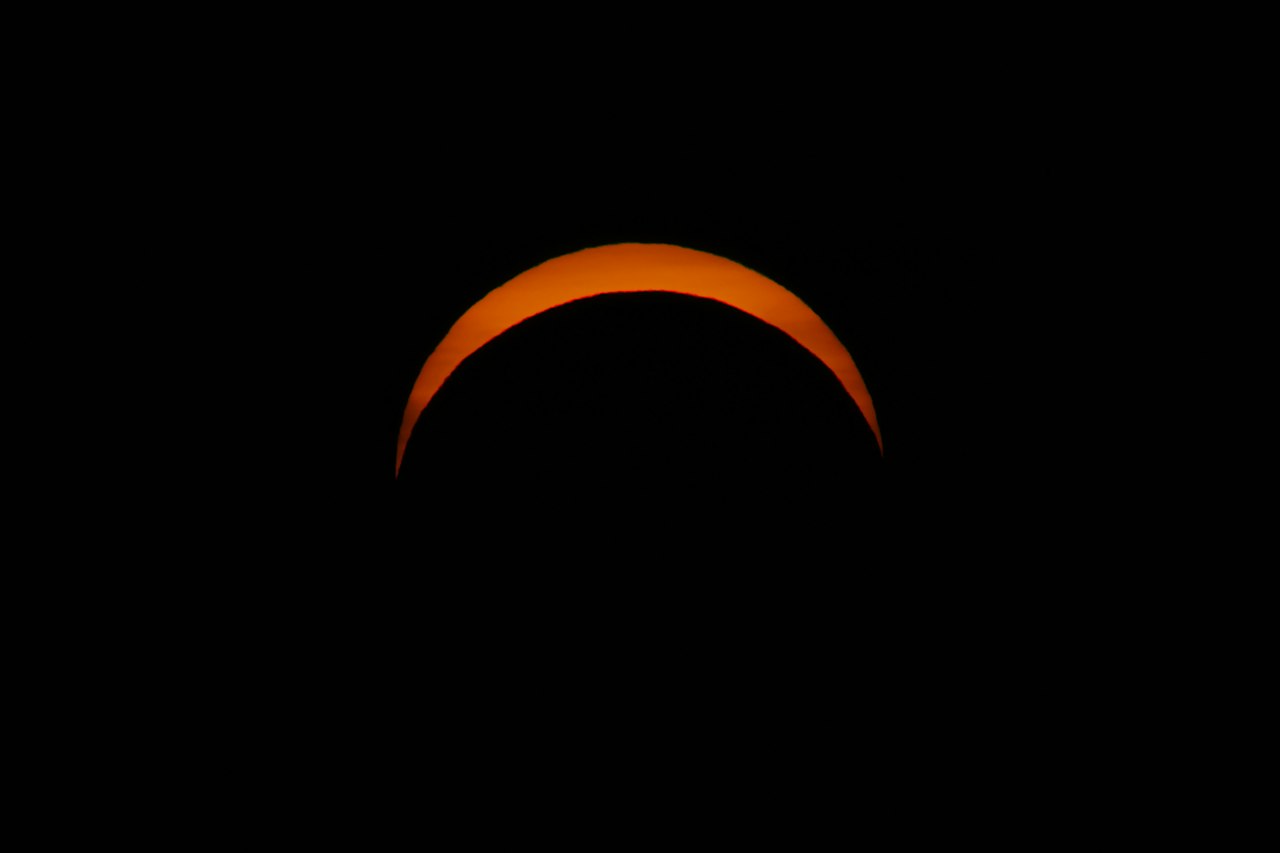

For under two minutes in August, thousands of telescopes across northern Spain pointed at the same strip of darkening sky, and analysis of those images has only just begun.
What was found
The result was published this autumn after four years of careful measurement, and it has held up better than many expected. Independent teams have now replicated the main finding using different instruments, which is a far more significant milestone than the initial headline that followed it.
You wait years for ninety-seven seconds and then you spend years reading them.
Why it matters
To see why it matters, consider what researchers had assumed until now. The textbook picture was tidy and largely untested, passed down in part because nobody had the tools to examine it closely. Those tools now exist, and they are showing a messier, more interesting reality.
What remains unknown
The sample remains small, and the authors are admirably careful in what they claim. It would be easy to leap ahead to practical applications, and a number of press releases already have. A more honest summary is that a door has opened, and no one yet knows how large the room is.
Next comes the slow part: larger studies, duller funding applications and a long series of careful attempts to prove the whole thing wrong. Science rarely looks like a eureka moment from the inside. It looks like a calibration log, a cold laboratory and somebody double-checking a decimal point.