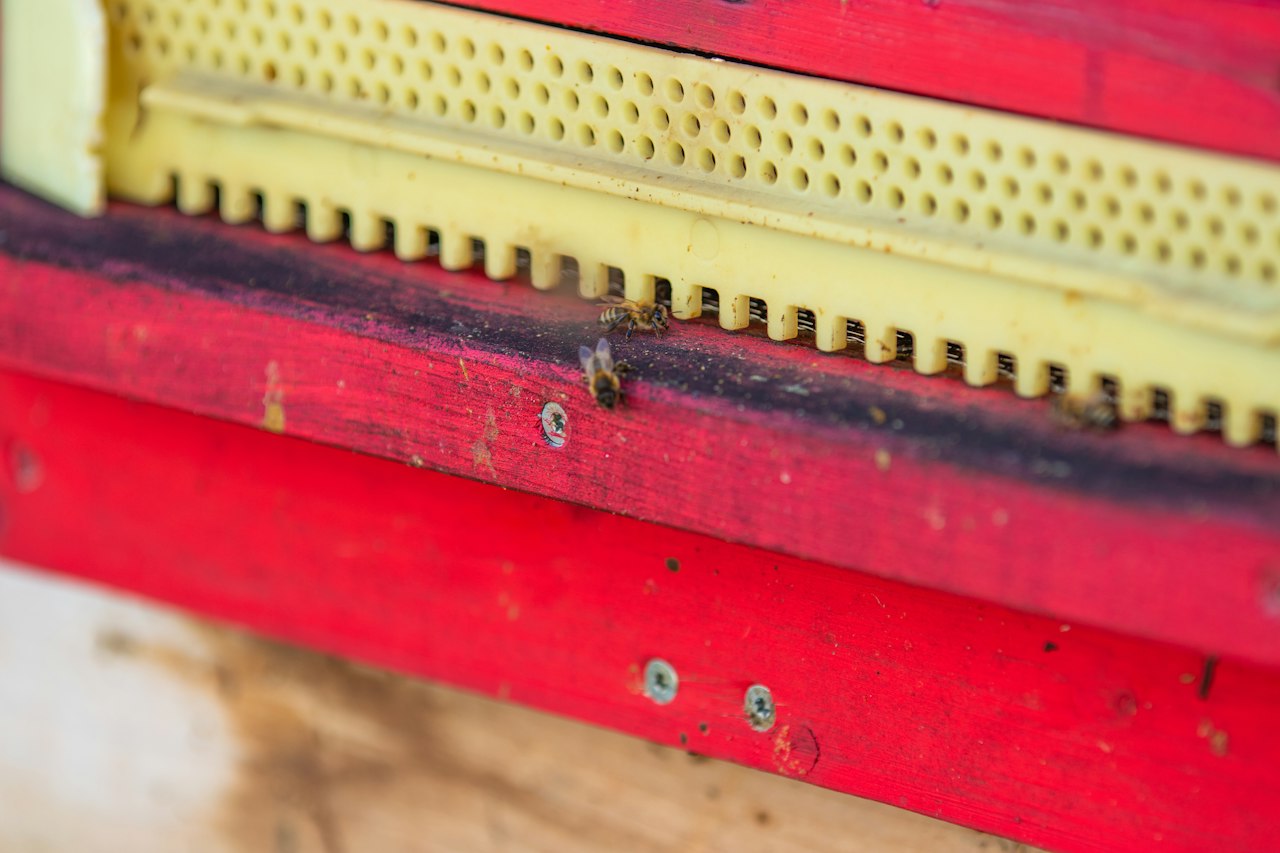

On a rooftop above a Paris opera house, the hives produce honey that tastes of lime blossom and something faintly municipal, and chefs are ordering it by the crate.
An early start
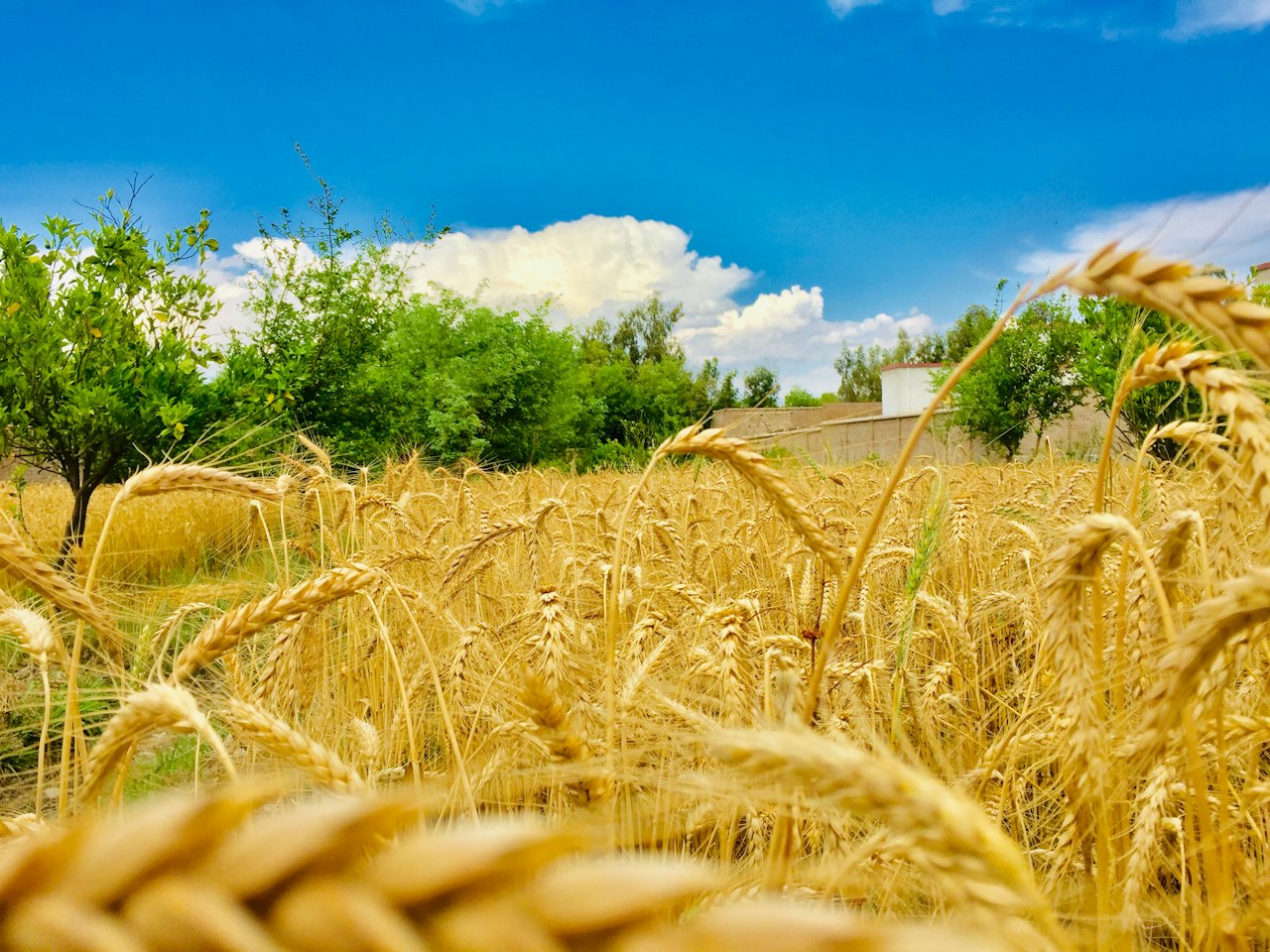
The day begins before light, as these days generally do, with a thermos and a list of small emergencies. There is a truth about food production that glossy packaging never quite conveys: it is mostly cleaning, a great deal of waiting and an abiding worry about the weather.
City bees have better options than most city people.
How it is made
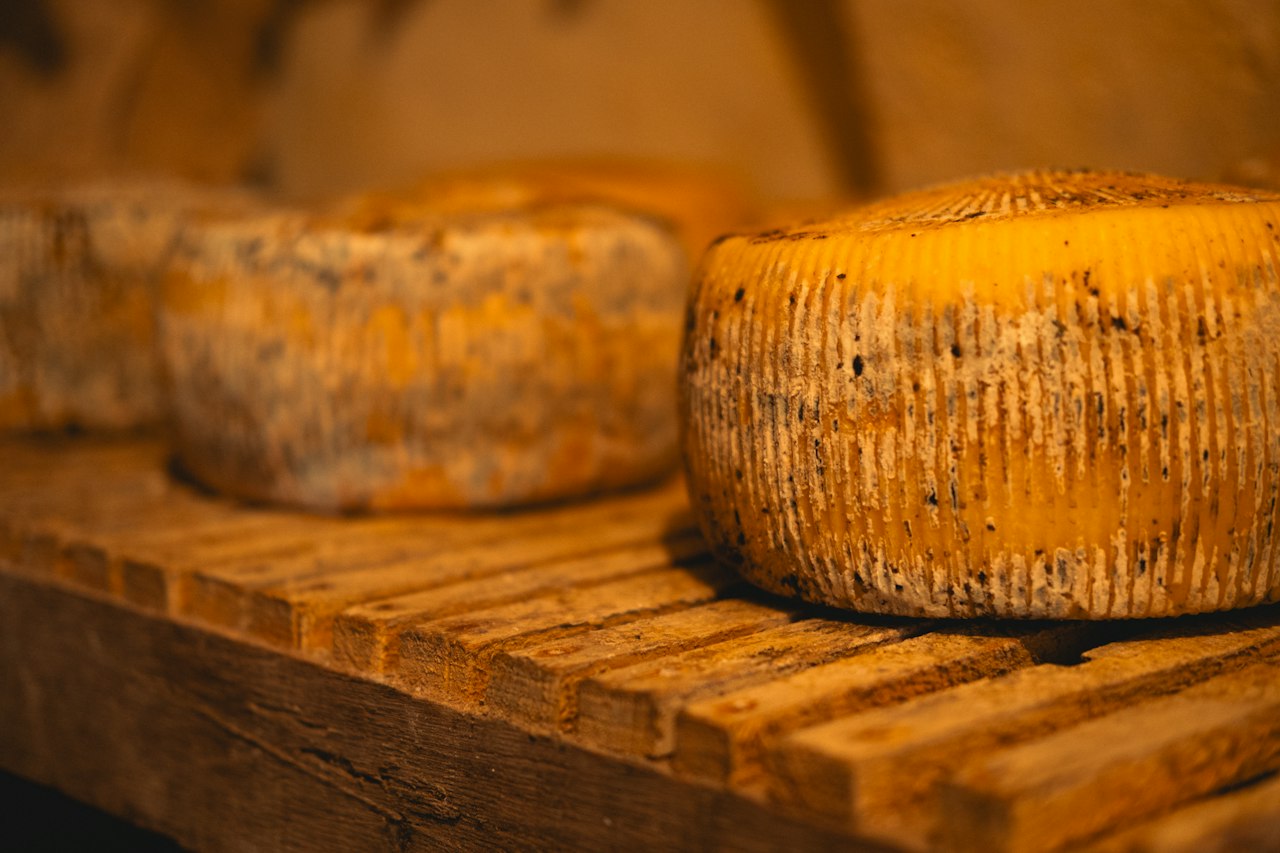
What sets this apart is a stubbornness about time. Where commercial producers have sped each step, this method takes months longer and gives a far lower yield. It makes little business sense on paper. On the tongue, the reason for all of that trouble becomes immediately clear.
Where to find it
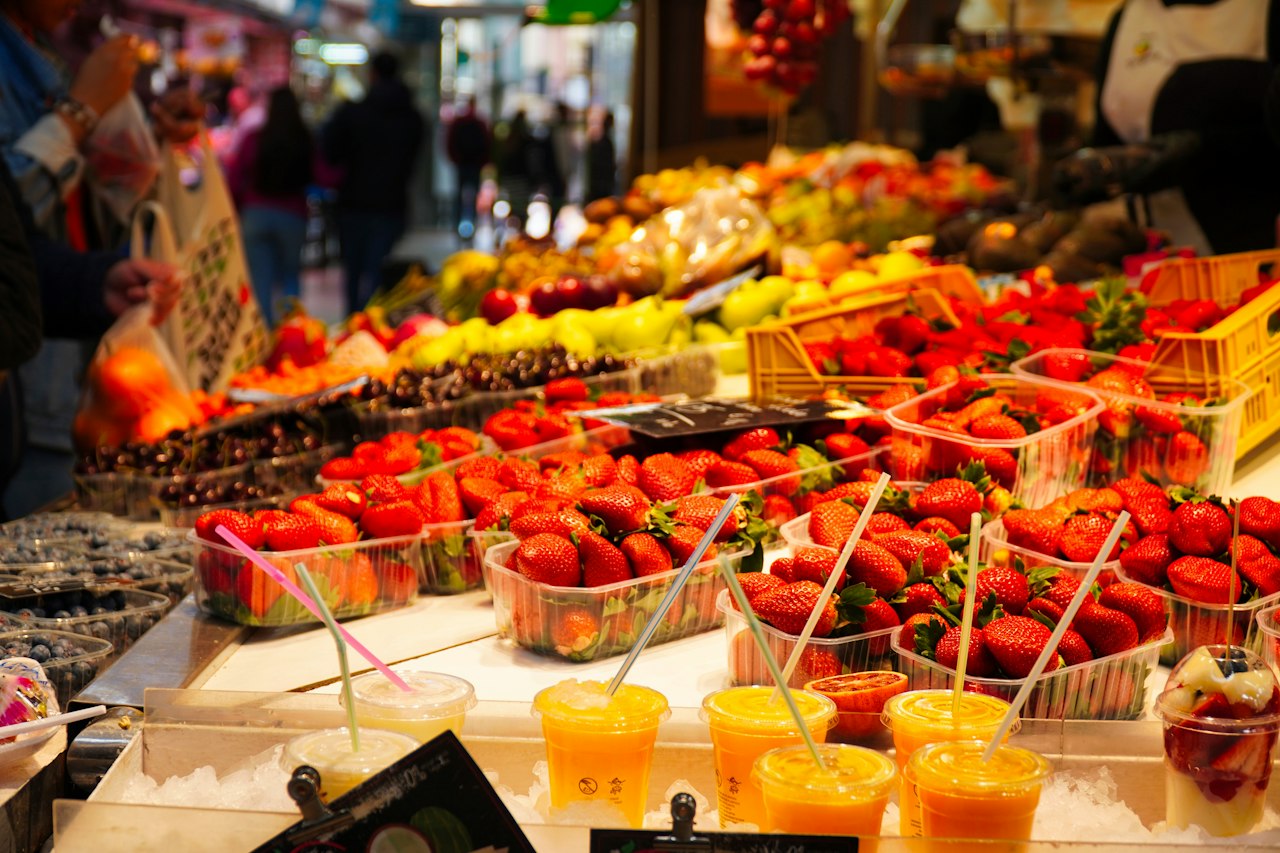
Direct selling has transformed the economics of small producers. Farmers' markets, box schemes and modest online shops allow them to keep a far larger share of each sale, and they also supply the one thing a supermarket never can: a customer telling you, to your face, what they thought.
You can find it at Saturday markets across the region and through a growing number of good independent grocers. Buy more than you think you need. It keeps well, it makes an excellent present, and you will almost certainly not manage to share it.