
Sports scientists have spent a decade testing how little exercise can make a noticeable difference, and the answer is lower than you'd think, though higher than the adverts say.
Warm up
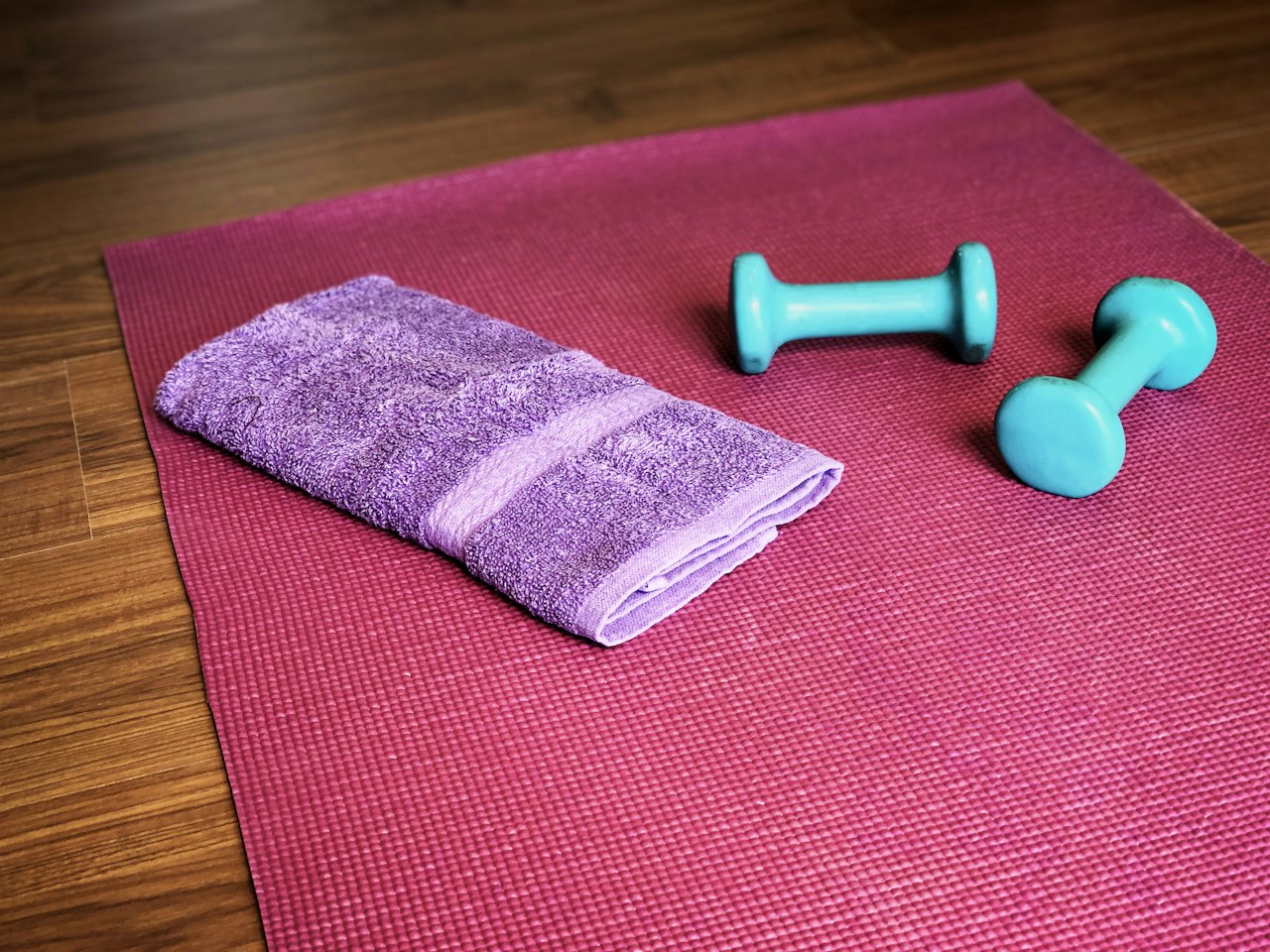
Begin gently, with five minutes of walking or easy cycling, and a few slow mobility moves for your hips and shoulders. You are not trying to tire yourself out at this stage. You are simply telling the body that something is about to happen, and giving it a little time to agree.
Ten minutes done beats a full hour planned.
The main set
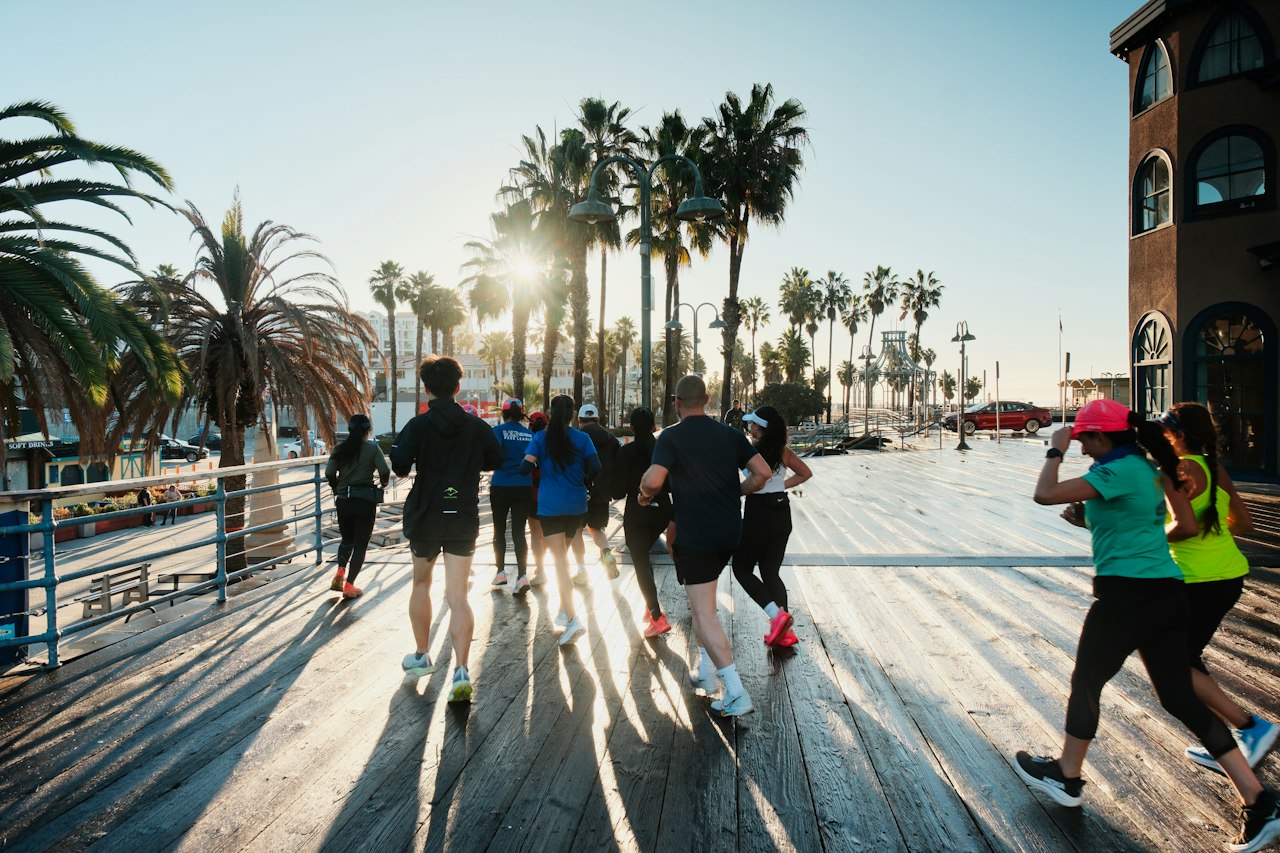
Effort matters more than equipment here. You should be able to speak in short sentences during the easy parts and very little during the harder intervals. Trainers call this talk test unscientific, then admit that it works nearly as well as an expensive heart-rate monitor for most people.
Rest counts too
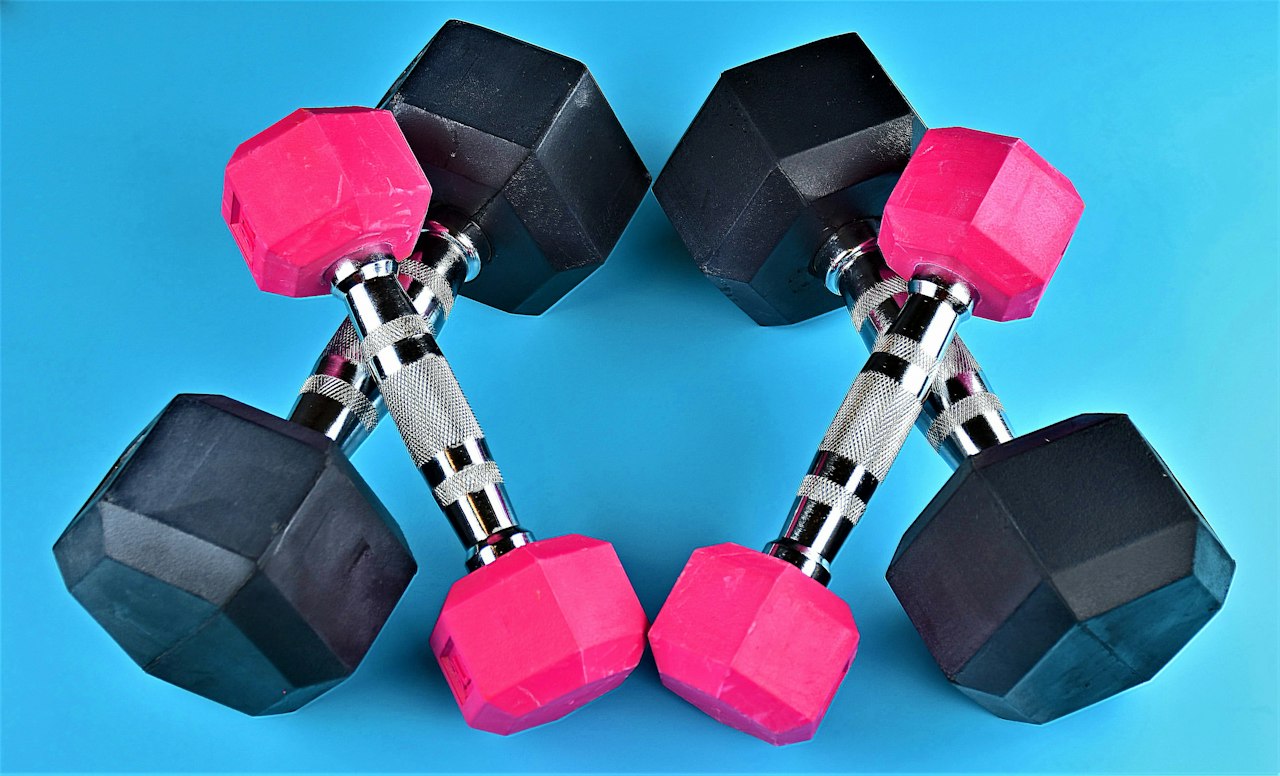
Strength training has at last gone mainstream among the over-fifties, and physiotherapists could not be happier. Muscle and bone both respond to load at nearly any age, and a couple of short sessions per week can make an enormous difference to balance, to confidence and to the stairs.
Rest days are where the adaptation takes place, so do not skip them out of guilt. Walk, stretch, sleep well, eat enough. If something hurts sharply, stop; if something merely complains, it is probably just your body making a note. Consistency over months will beat heroics every single time.