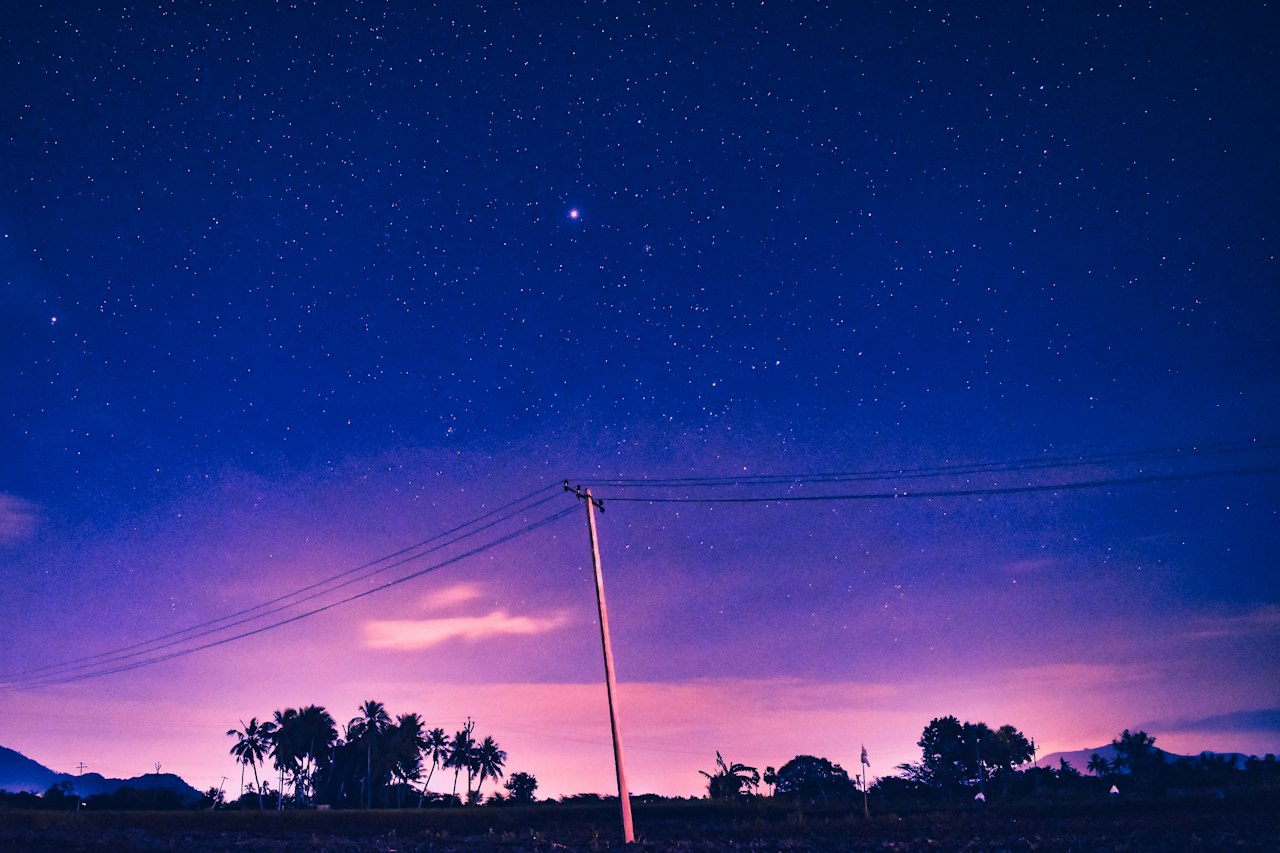

Astrophotographers have got used to seeing the bright lines cut across their long exposures, and a new generation of software is learning to wipe them away.
The promise
Every wave of technology arrives with the same pitch: this will give you back your time. It very rarely does. What it tends to do is raise expectations for how much a person should now get done, so that the hours saved are quickly filled and the inbox keeps its appetite.
We used to wait for clouds to clear. Now we wait for the traffic.
What actually happens
After a few weeks of everyday use, the picture becomes more nuanced. There are moments of real delight, when a tedious job evaporates in seconds. There are also moments of quiet absurdity, when you find yourself spending longer checking the machine's work than it would have taken you to do the thing.
The fine print
Designers have started talking about friction as if it were a virtue again. A small delay, a confirmation screen, a deliberately limited feed: all were once considered failures, and now they are being sold as features. Some of it is marketing. Some of it, encouragingly, seems to work.
Read the terms before you get too attached, and check what happens to your data when the company is bought, as it probably will be. Repairable hardware and exportable files are unglamorous things to care about. They are also the difference between owning something and merely renting a mood.