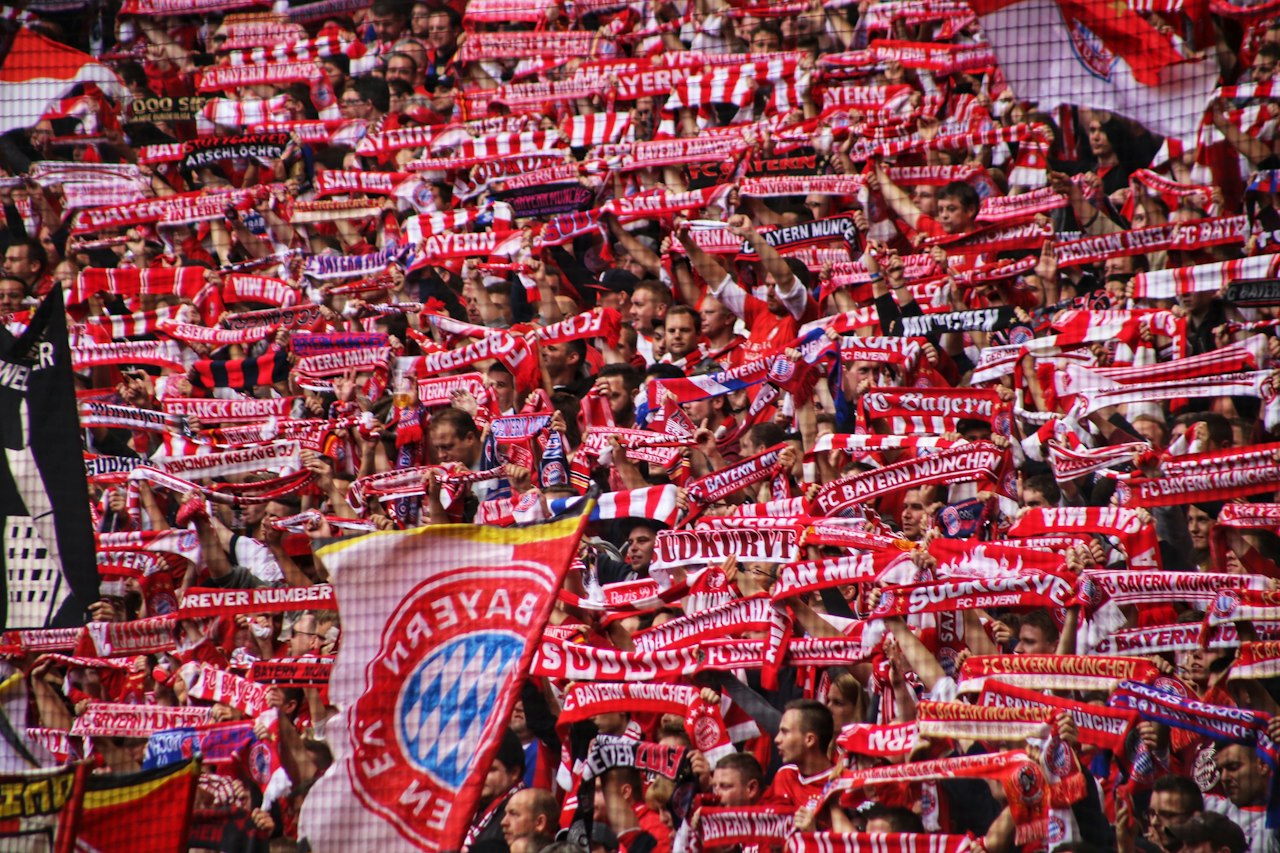

At one non-league ground in the north of England, the whole board stands on the terraces, and the annual meeting has been known to run longer than extra time.
Before kick-off
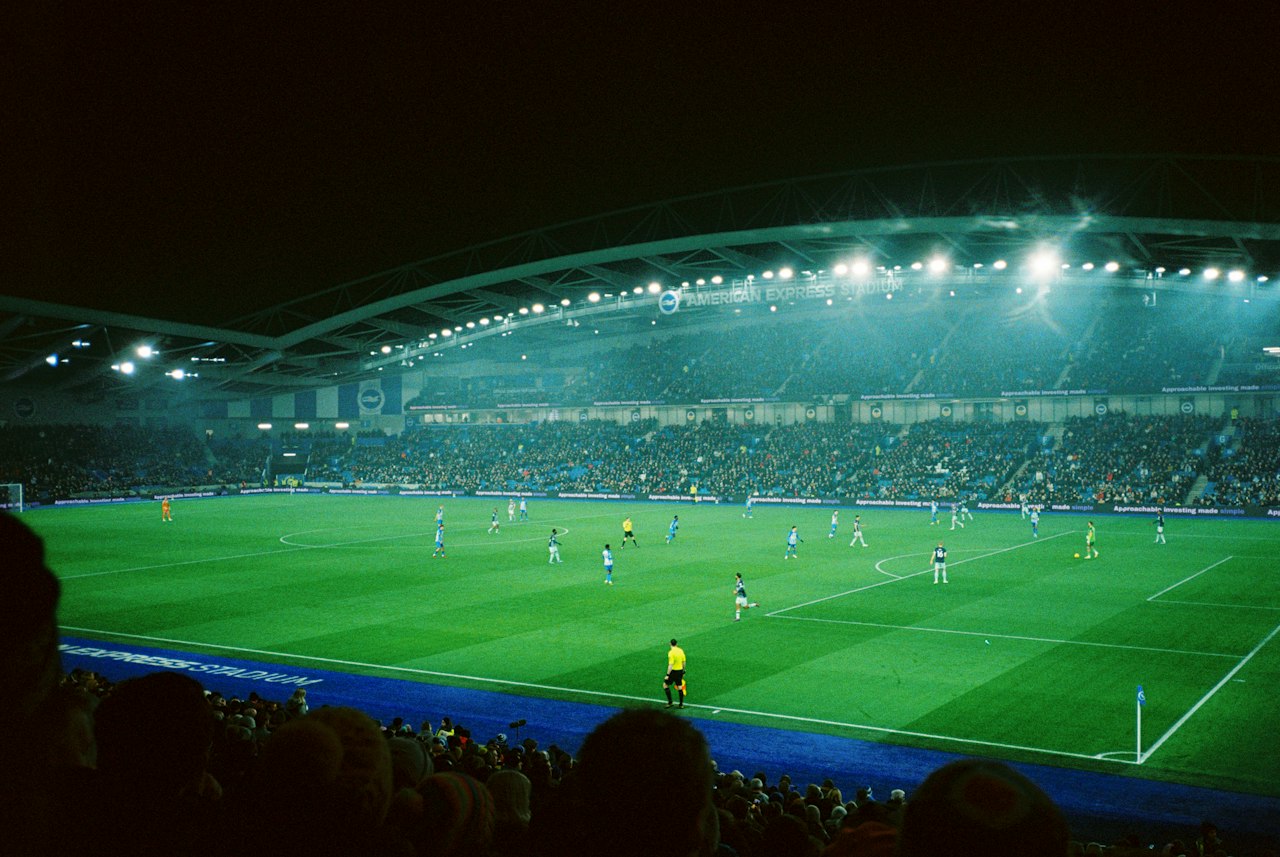
Long before the teams walk out, the streets around the ground have already settled into their own rhythm. Scarves come out of cupboards, the same three burger vans set up in the same three places, and grandparents explain to small children exactly why this particular fixture matters more than all the others.
Owning a club means you can no longer blame the owner.
The turning point
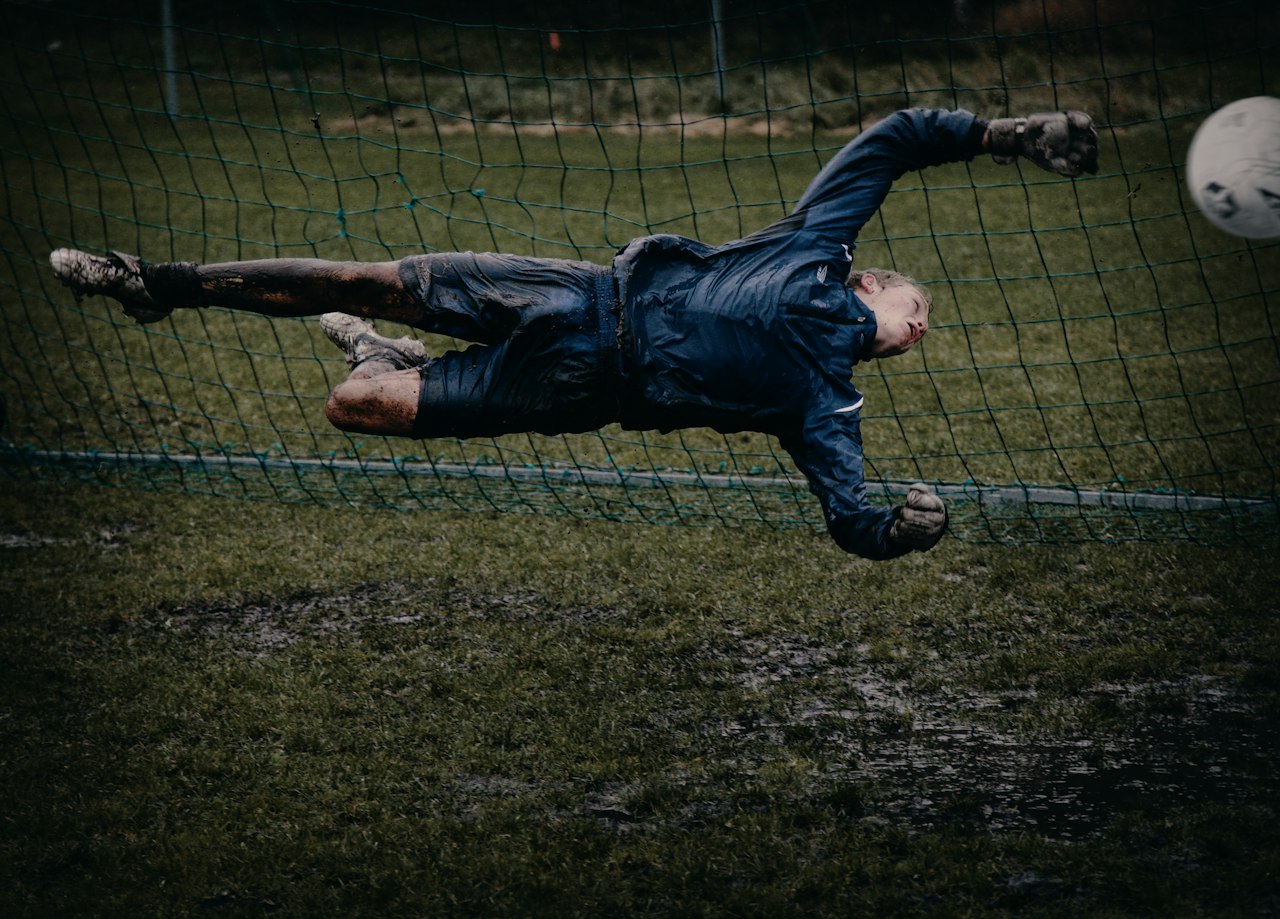
Modern football is obsessed with data, and the best coaches now know how many metres each player will cover before the match has even begun. Yet the game still turns on small human moments: a misplaced pass, a brave decision, a goalkeeper who decides to come for a cross that he really should have left.
After the final whistle
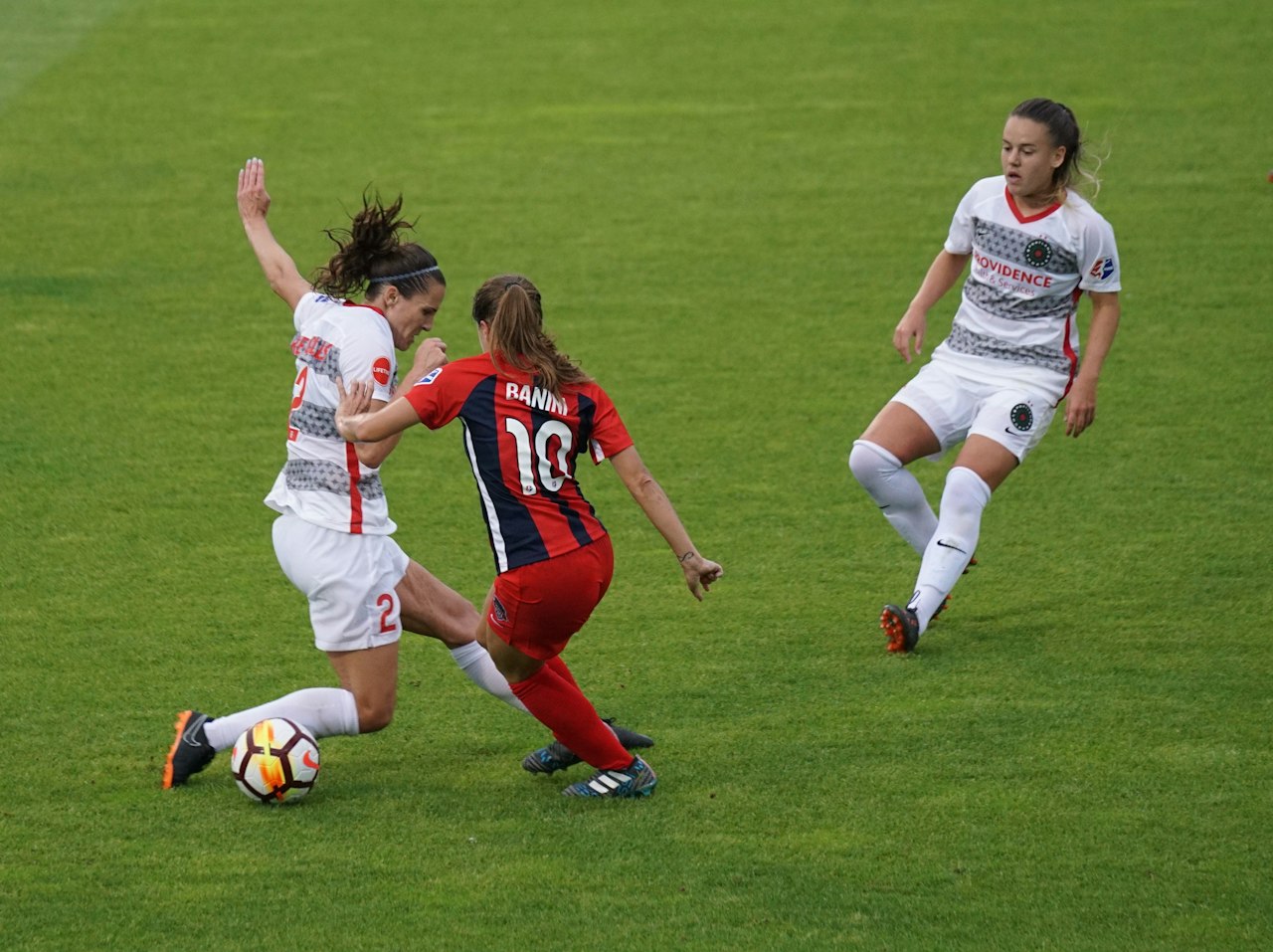
Clubs are learning that their future lies well beyond the first team. Women's sides, youth academies and community programmes are drawing new supporters to grounds that once opened only every other Saturday, and the most forward-thinking owners now see the stadium as a place that should be busy all week.
When it is over, the crowd drains away into the pubs and onto the trains, already arguing about the substitutions. That is the real gift of this game. It gives people who may otherwise have very little to say to each other a reason to talk, loudly and at length, until next week.