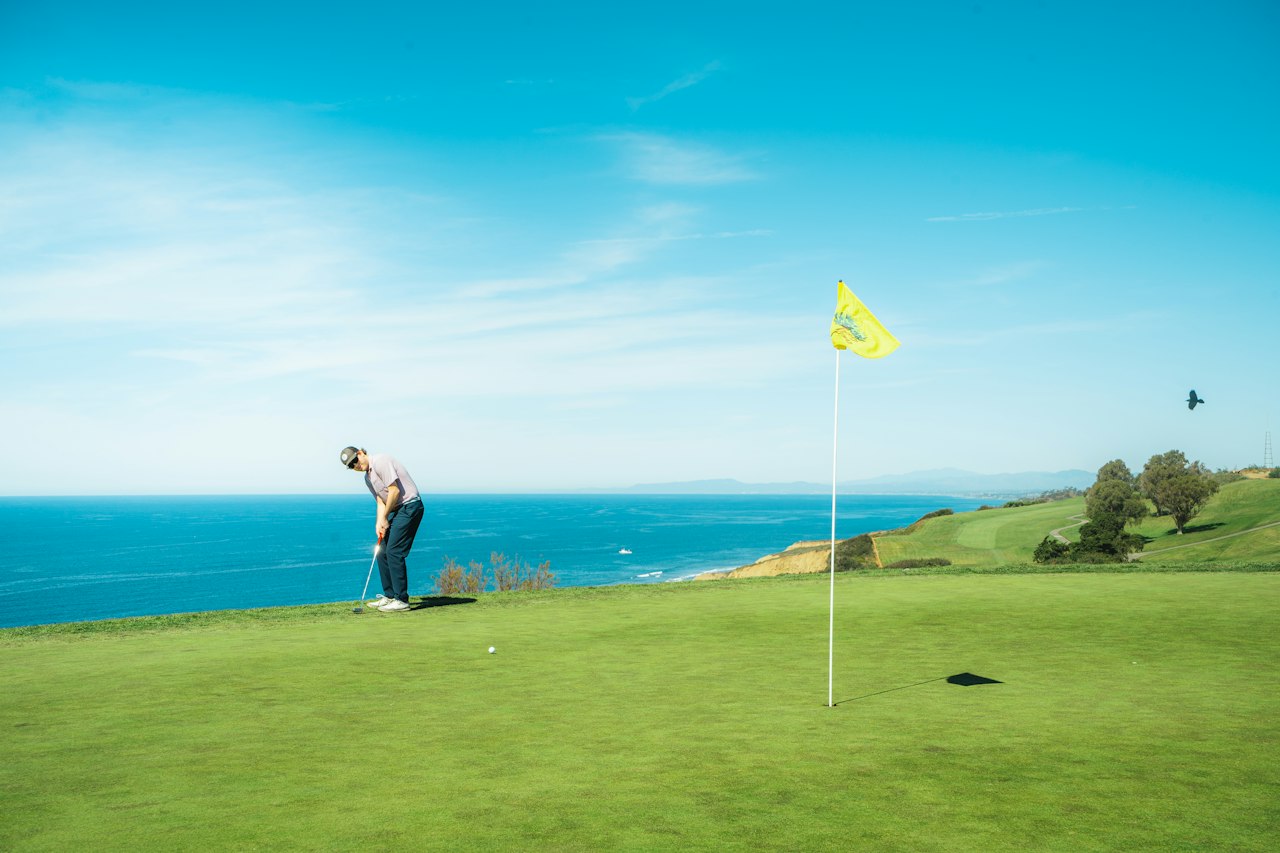

Everybody on the range is trying to hit the ball a very long way. Almost nobody is over on the practice green, which is where your scorecard is actually being decided.
On the first tee
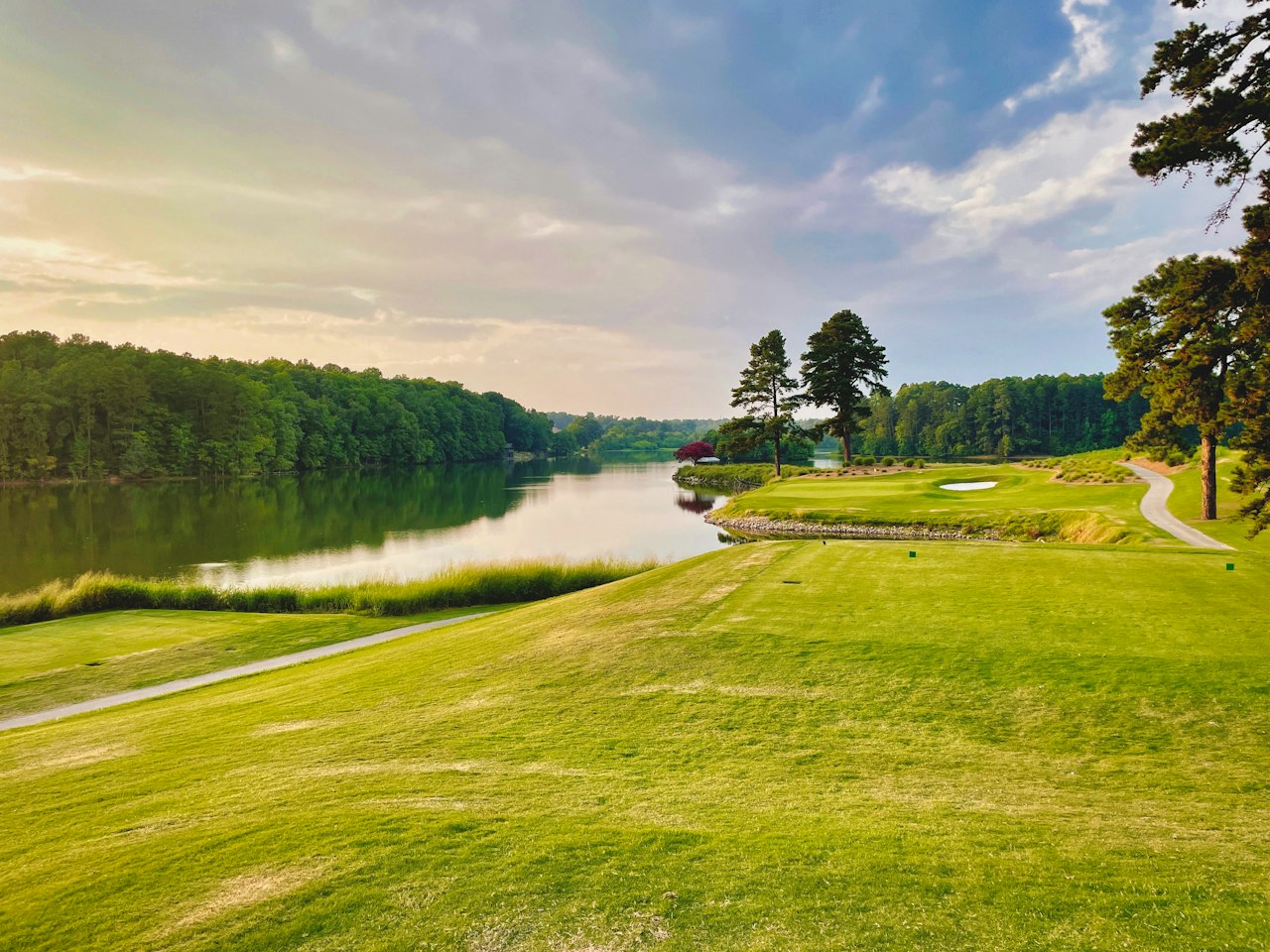
There is a particular kind of silence on a first tee at seven in the morning, broken only by a distant mower and the sound of someone pretending not to be nervous. Dew lies on the fairway. Nothing has gone wrong yet, which is the very best thing that can be said about golf.
You drive for show. You also chip for your own sanity.
The turn
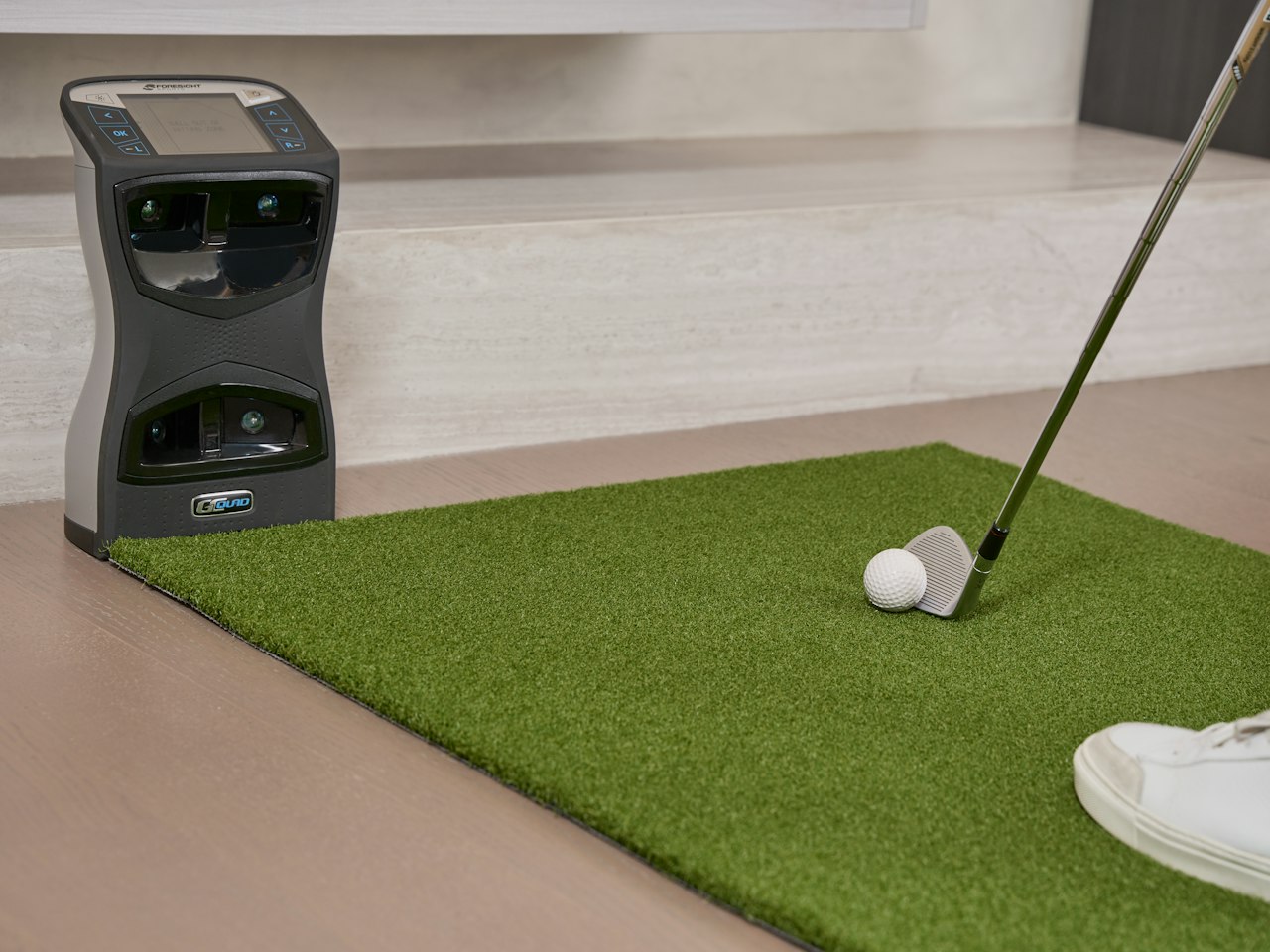
A good course asks questions rather than simply punishing you. It offers a safe line and a brave one, and it lets you decide who you would like to be today. The finest designers understood this long before anyone had heard of launch monitors, and their old layouts still hold up wonderfully.
The nineteenth hole
The game is changing quickly. Shorter formats, floodlit driving ranges and relaxed dress codes have brought in a younger and far more varied crowd, and many clubs that once worried about their ageing membership now have waiting lists. Nine holes after work has become a perfectly respectable way to spend an evening.
At the end, the scorecard gets folded and put away, and the stories begin to improve. That long putt on the fourteenth grows by a few feet with each retelling. It is a generous game in that way: it remembers your one good shot, and it quietly forgives you for the other ninety.