
At around the thirty-second kilometre, a pleasant accountant from Bristol sat down on a kerb and informed a passing marshal, very politely, that he was now retiring from running.
The start line
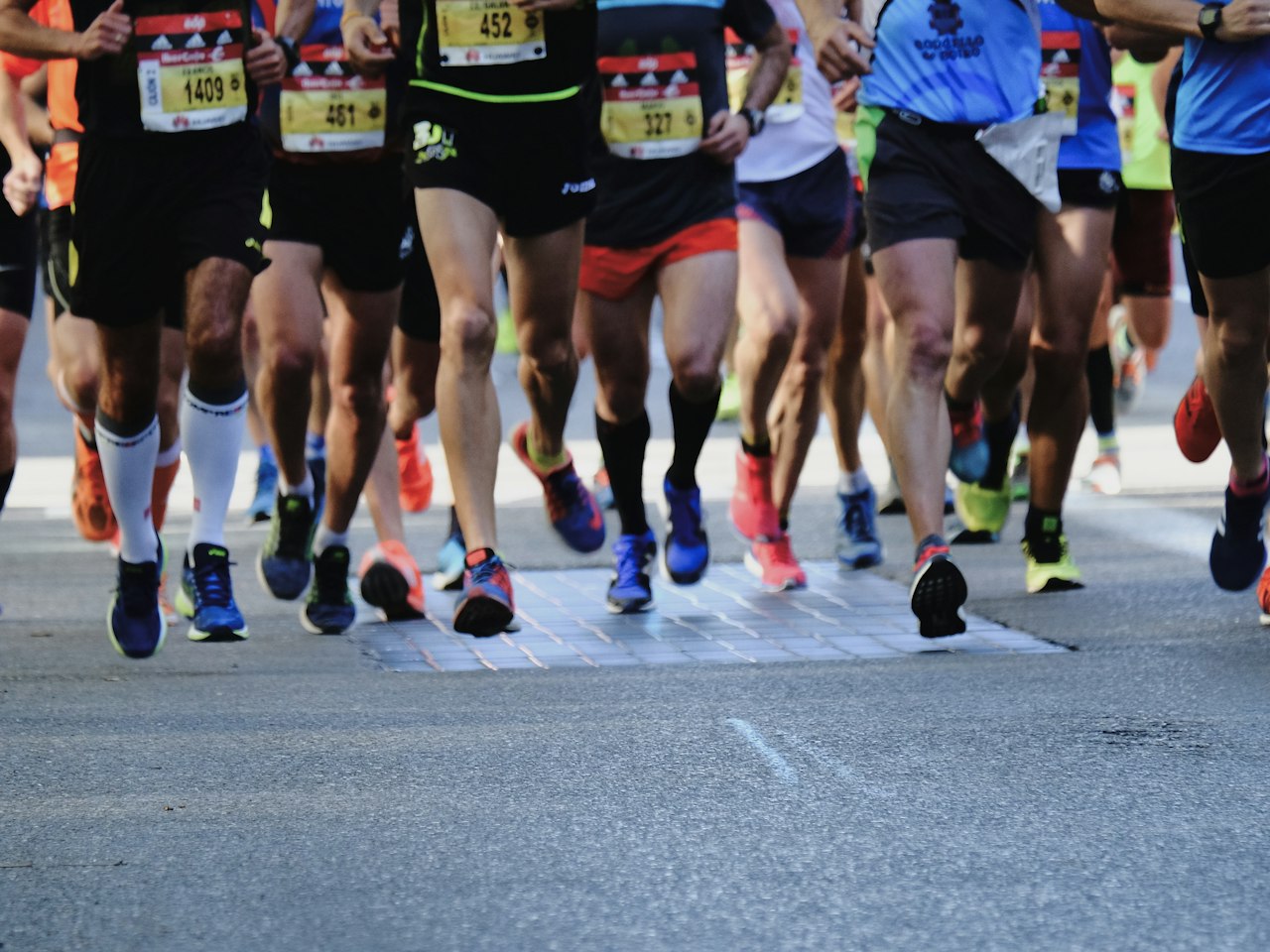
For the first few kilometres, everything seems possible. The crowd is loud, your legs are fresh and you are running slightly faster than you promised yourself you would. Every experienced runner will warn you about this exact moment, and nearly every one of them still makes the mistake on race day.
You do not break through the wall. You negotiate with it.
The wall
Somewhere after thirty kilometres, the arithmetic turns against you. Your body has burned through its easy fuel, and the distance left seems to have been added to by someone with a cruel sense of humour. This is where months of dull training runs in the rain finally begin to pay you back.
The finish
Big-city marathons now receive far more applications than they have places, with entry ballots stretching into the hundreds of thousands. Much of this growth has come from first-timers and from younger runners who found the sport through local clubs. Plenty of them are running for a charity or for somebody they have lost.
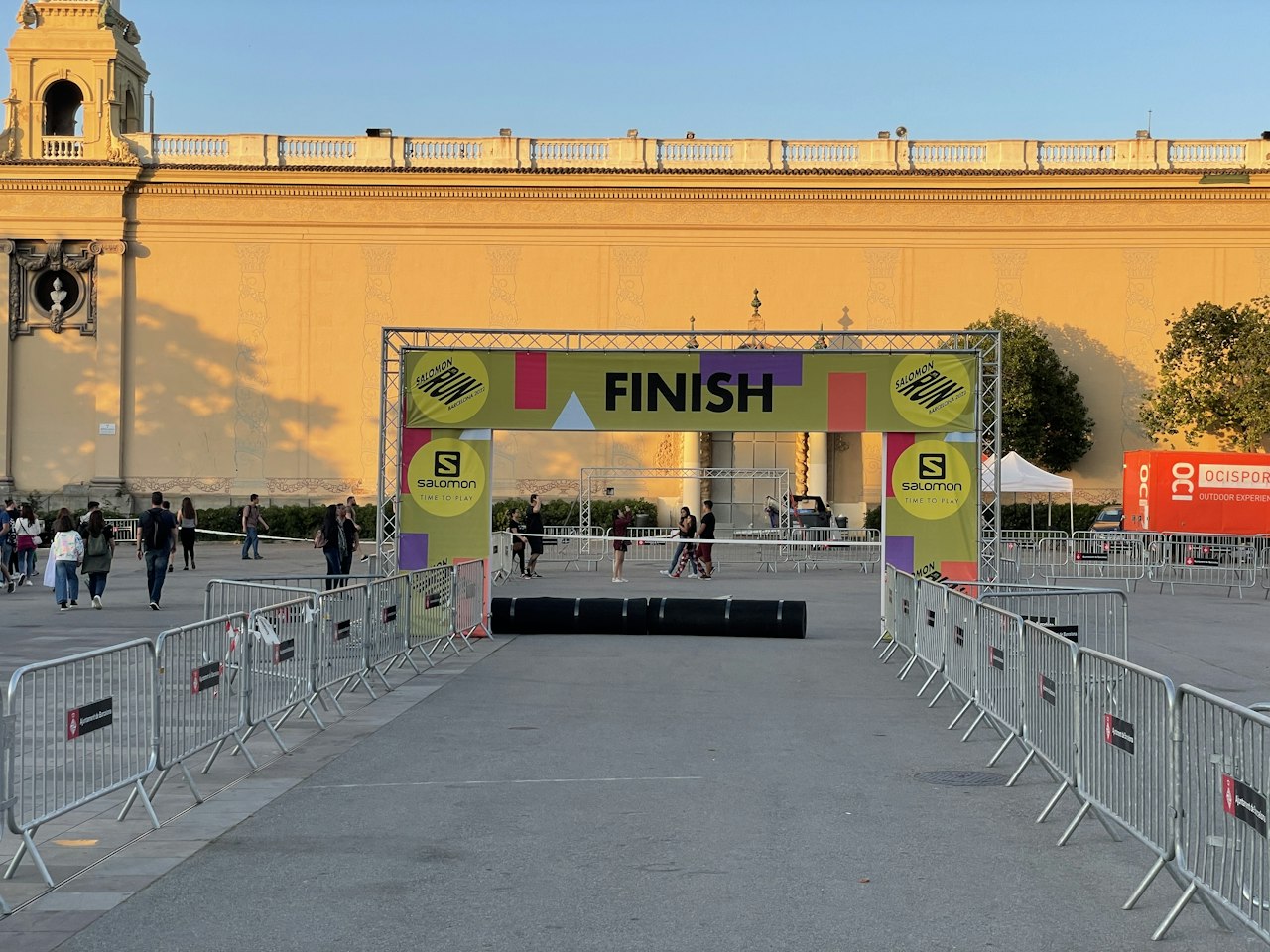
Then, at last, you turn the final corner and the noise hits you. You will not remember much of it afterwards. There will be a medal, a foil blanket and a stranger telling you that you were brilliant. By Tuesday you will be walking down stairs backwards, and already looking at next year's dates.