
When the council announced that the old baths would be closing, a retired plumber, two teachers and a swimming club of eight-year-olds decided that they had other ideas.
In the water
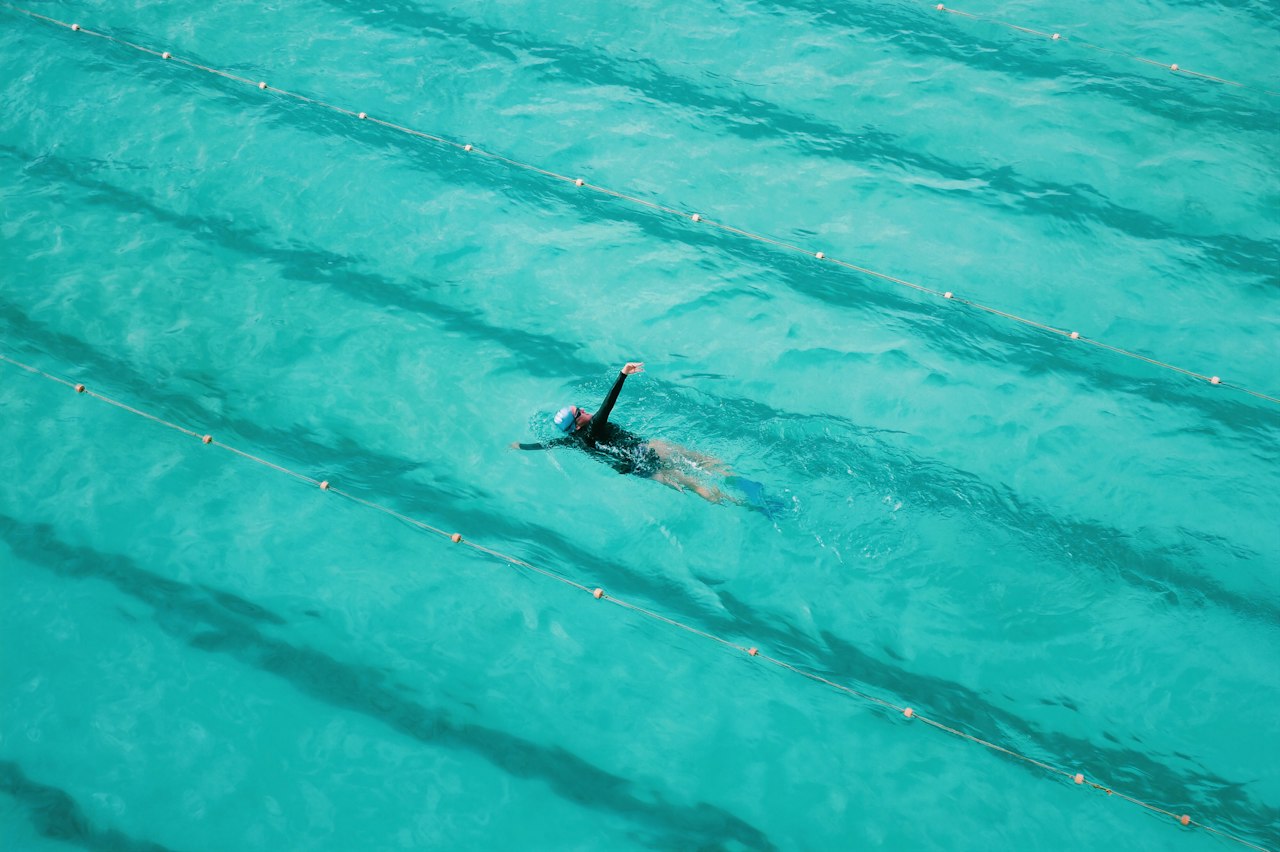
Everything goes quiet once your head is under. The noise of the changing rooms disappears, replaced by your own breathing and the soft thud of the wall drawing nearer. Regular swimmers often struggle to explain why they do this, except to say that it is the only hour of the day that belongs entirely to them.
You can't teach a town to swim from a spreadsheet.
The technique
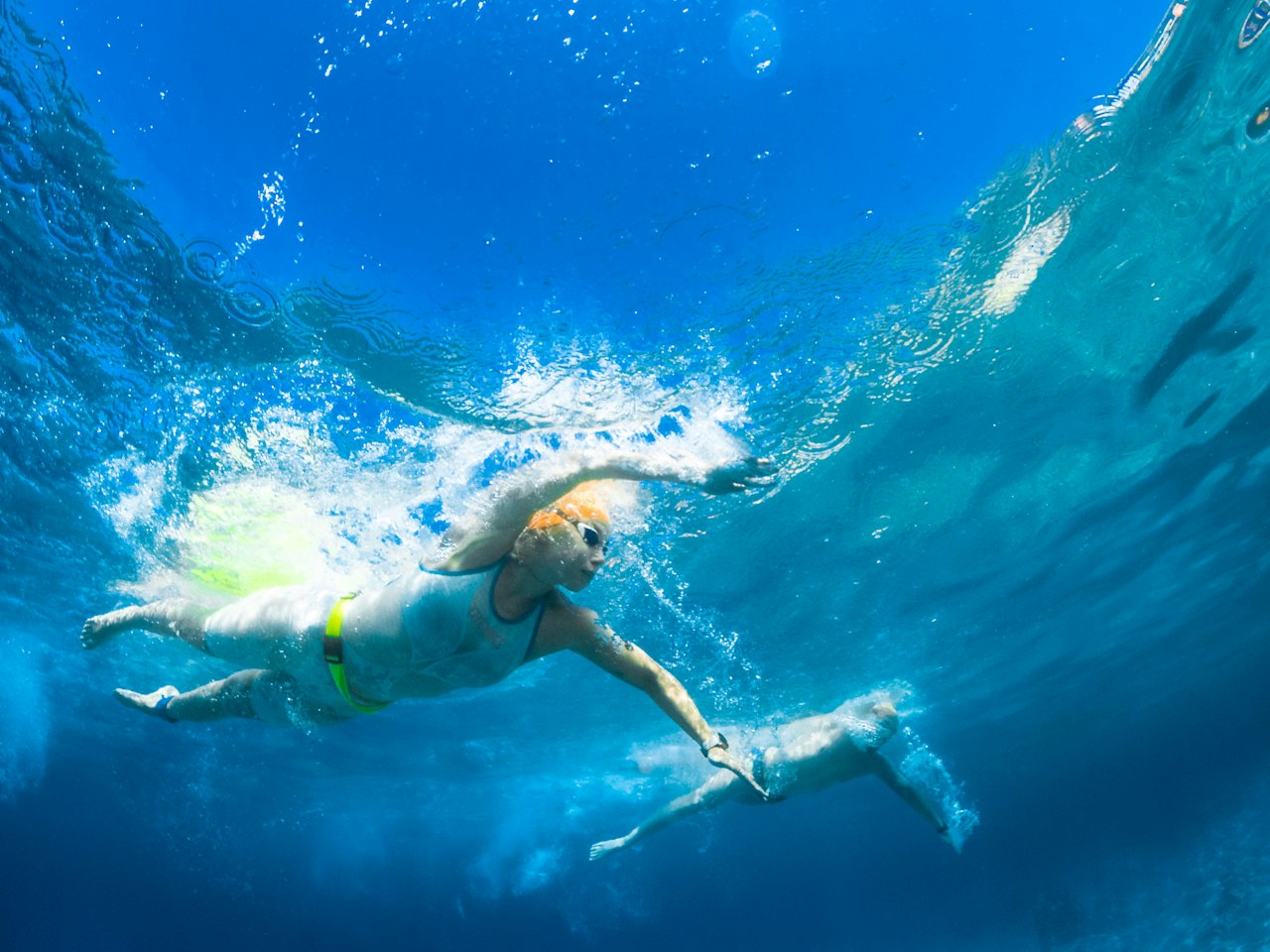
Most of us were taught to swim just well enough not to drown, and then we stopped learning. Good technique is mostly about doing less: a longer stroke, a calmer kick and a head that stays still. Coaches say that adults improve faster than they expect once they stop fighting the water.
Getting out
Public pools have had a very difficult few years, with rising energy bills forcing some to reduce their hours. Yet swimming remains among the most popular activities in the country, and local campaigns have kept many lanes open. Open-water venues, meanwhile, are drawing a whole new crowd that is prepared to be cold.
Afterwards comes the best part: the slight wobble in your legs, hair that smells faintly of chlorine and a cup of terrible vending machine coffee that tastes like the finest thing you have ever had. You will feel hungry until roughly lunchtime tomorrow. It is all entirely worth it.