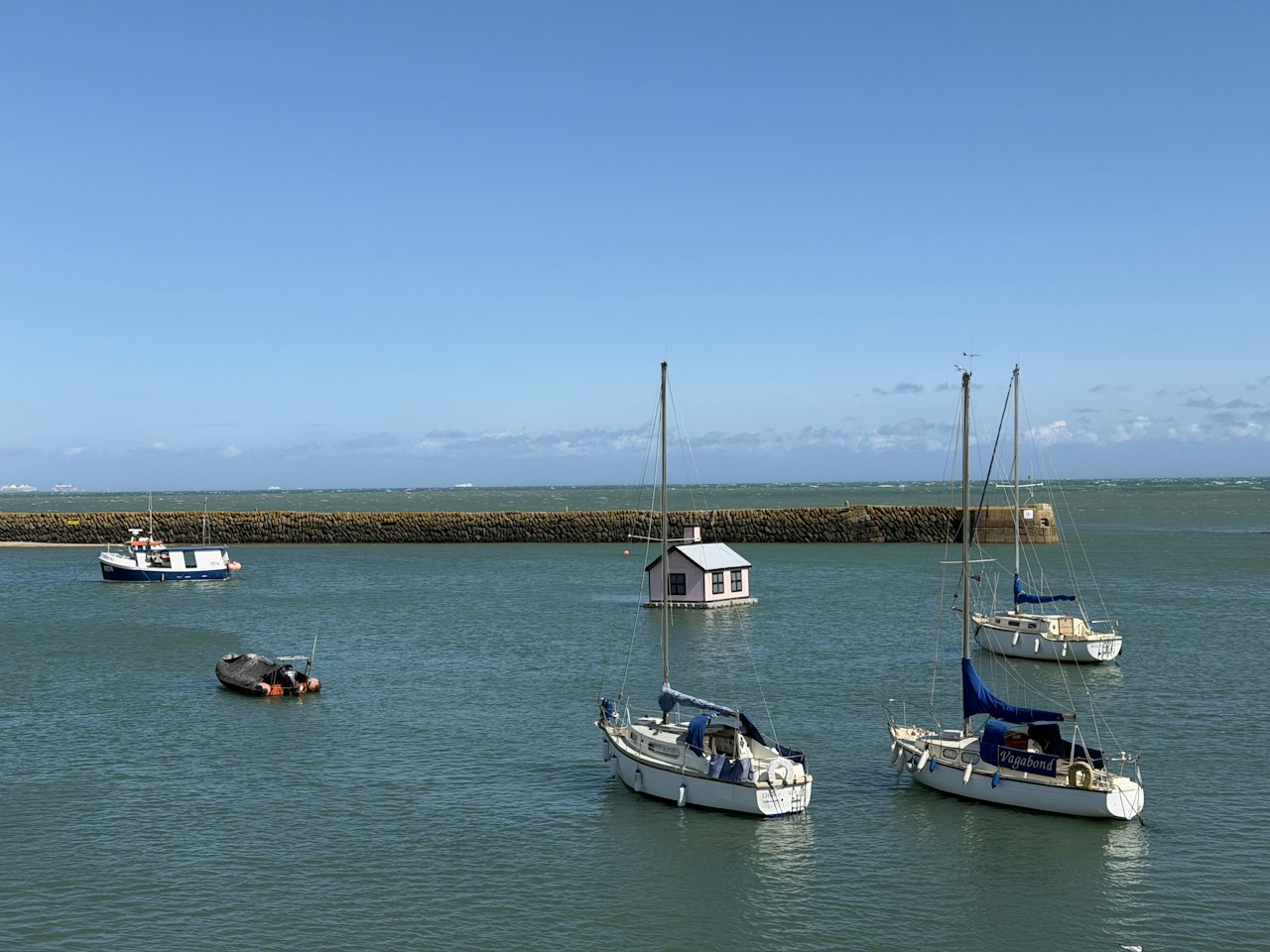

Most seaside towns close down in October and sigh until Easter. Folkestone, meanwhile, has galleries, an unusually good harbour arm and people out running in the sleet.
First impressions
Get off the train and you will notice the bakery first, which is a good sign, then the hardware shop, which is an even better one. A neighbourhood worth moving to generally keeps at least one business that sells individual screws, and whose owner is willing to discuss them at length.
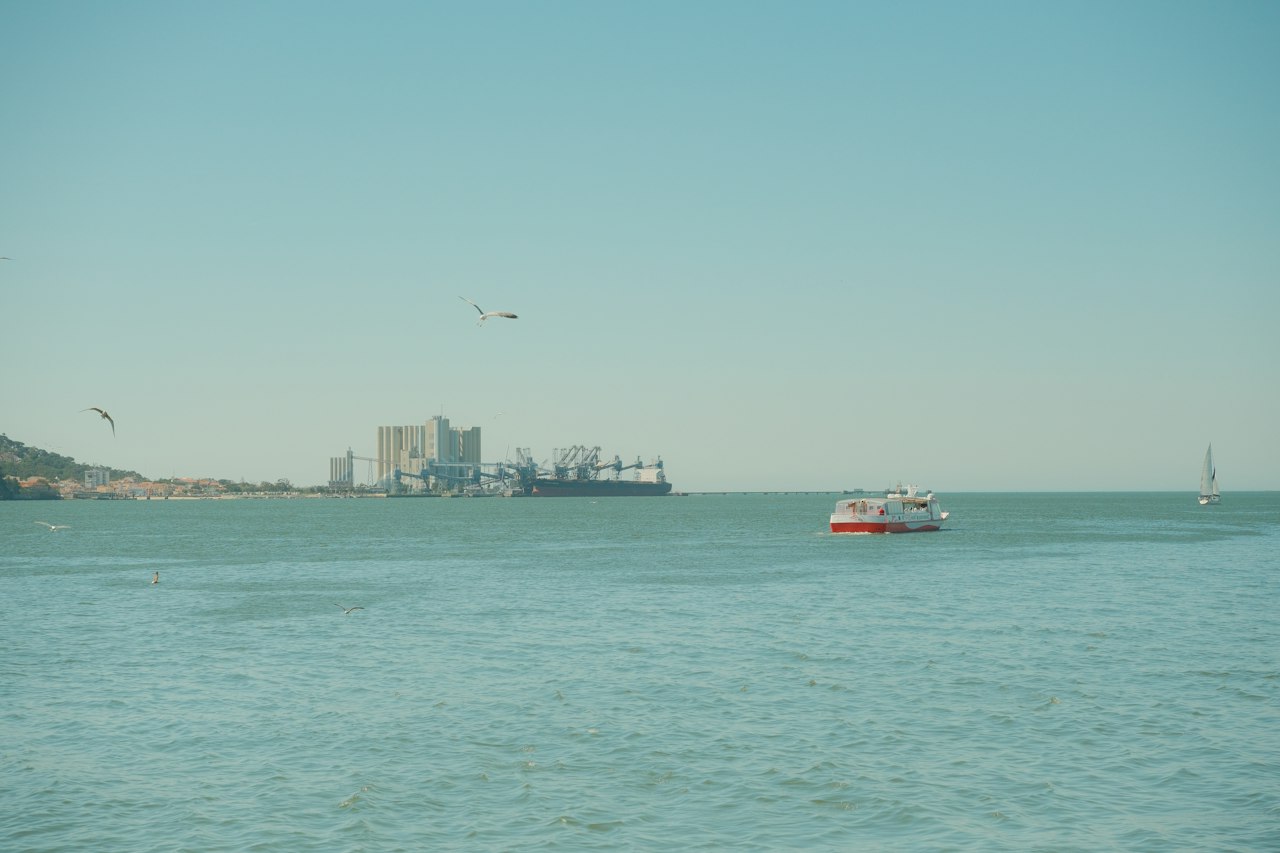
The sea looks far better when nobody is trying to sell you anything.
What it costs
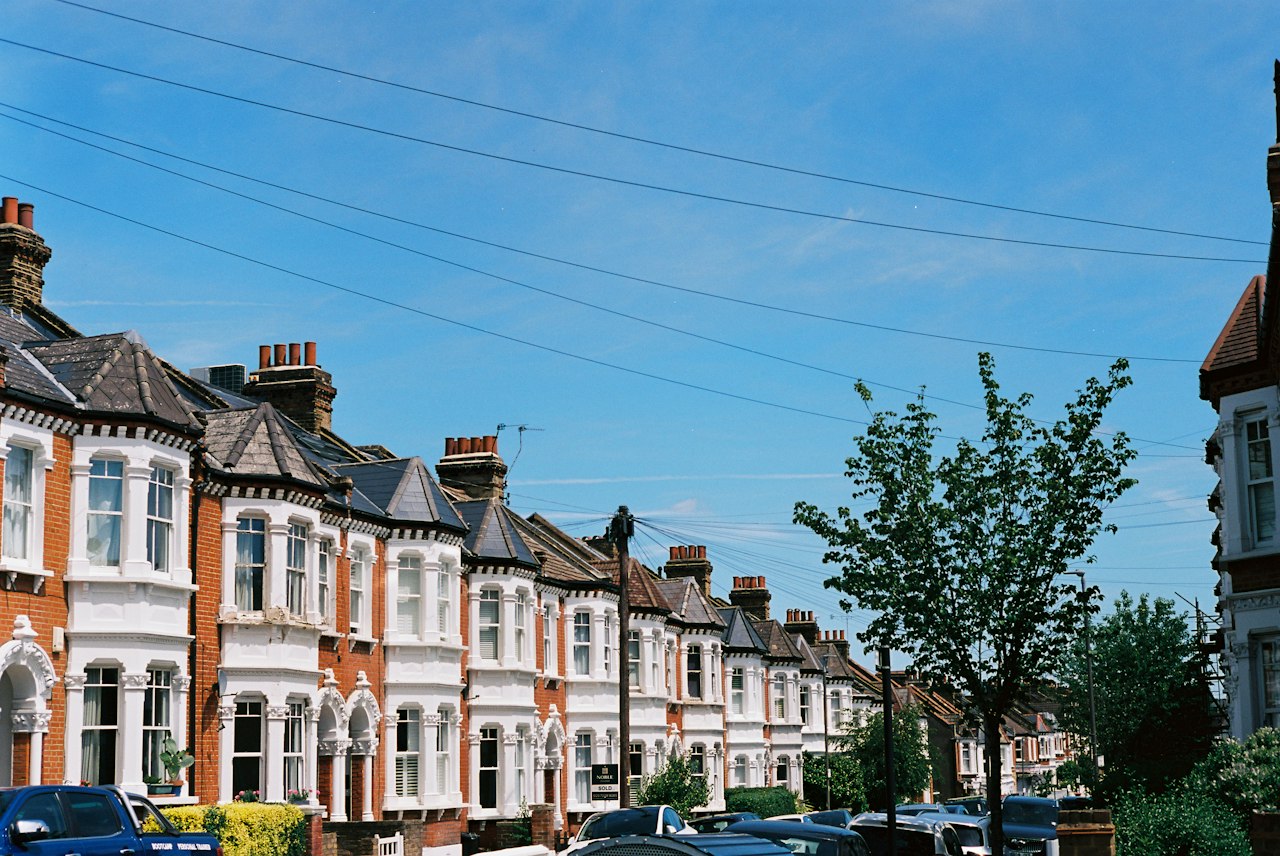
Prices remain well below those of the nearby city, although local estate agents report that the gap is steadily narrowing. A two-bedroom terrace with a small yard will still cost a fraction of the equivalent in town, and rents have so far climbed more modestly than in comparable places.
Who is moving in
Newcomers tend to arrive for the space and to stay for the people. Primary schools are well regarded, the parks are actually used, and there is a Saturday market that has grown from four stalls to thirty in just a few years, without yet getting too pleased with itself.
It has its downsides. Trains can be sparse in the evening, and the high street still has a few too many empty windows. But it feels like a place in the process of becoming something, and it's an unusually pleasant time to arrive, before anyone has opened a shop selling only candles.