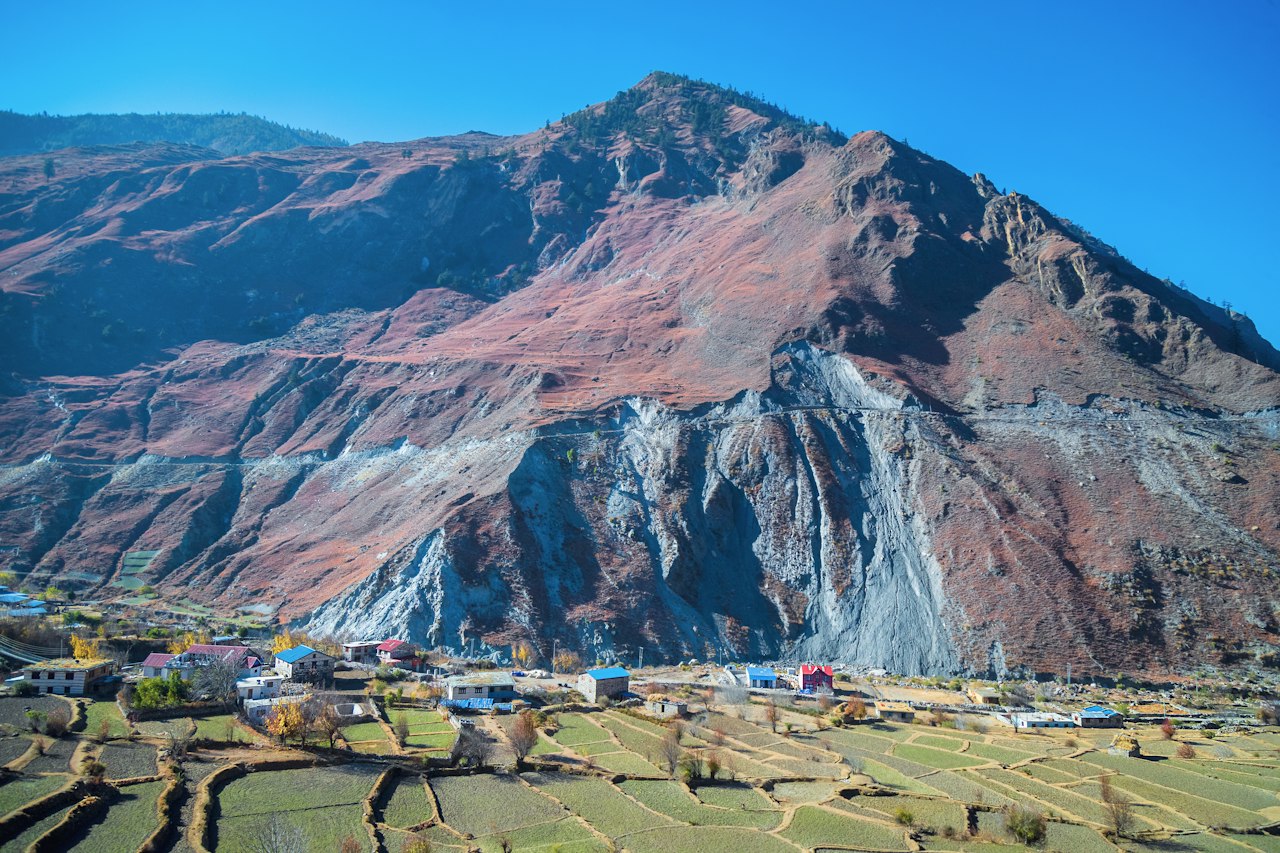

For four hundred years the town has drunk the same meltwater, and now the stream that feeds it arrives weeks earlier each spring and has all but vanished by the end of summer.
What happened
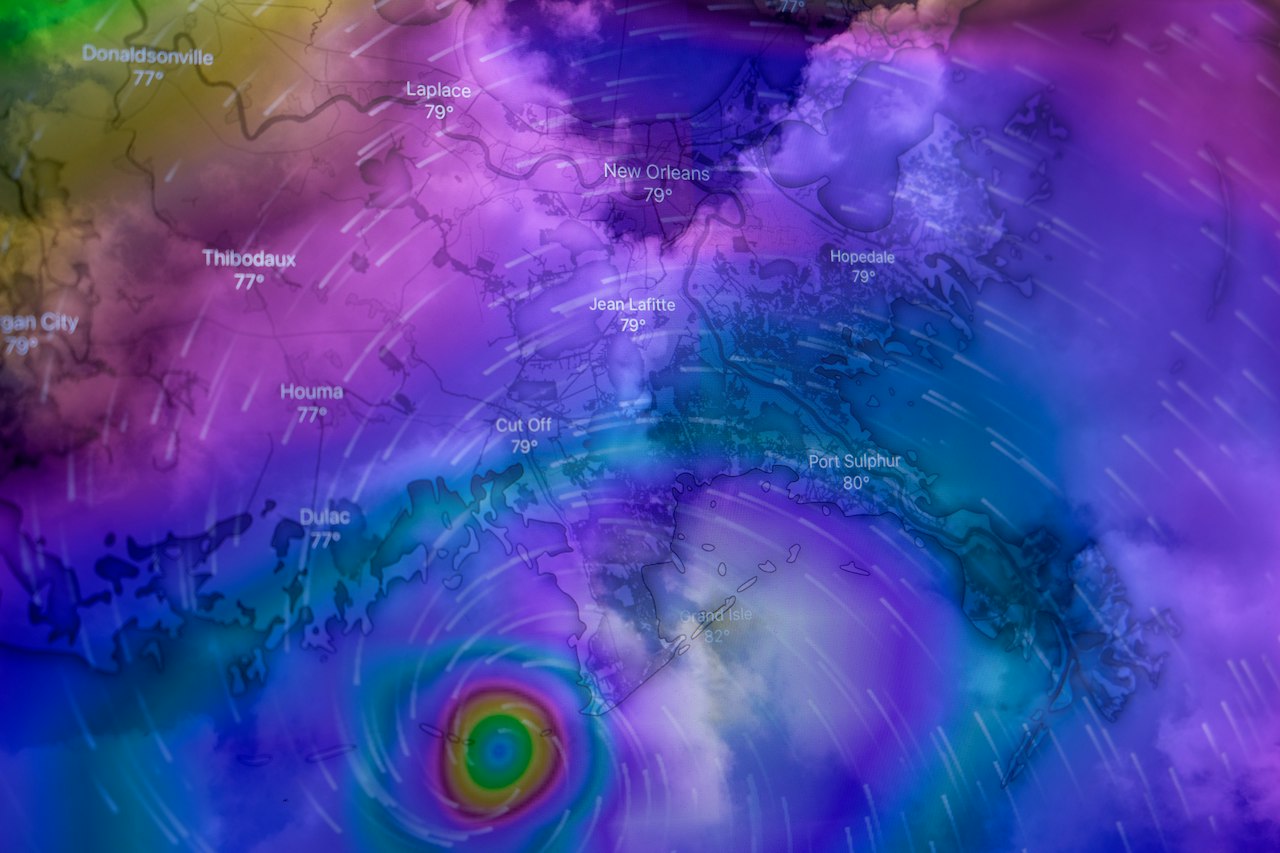
The first reports came from people on the ground rather than from instruments: harbour masters, ferry crews and a school caretaker who noticed the water behaving differently. Within hours, regional forecasters had confirmed what they were seeing, and the readings were being compared with records going back more than a century.
Our grandparents could see the ice from the square. We have to hike for a day.
Why it matters
Scientists are careful about pinning any single event on a warming climate, but the wider pattern is no longer in much doubt. Warmer seas hold more energy, the atmosphere carries more water, and the seasons that planners once relied upon have become harder to predict. The old averages are a poor guide to the coming decade.
What comes next
For the people who live with these changes, the science matters less than the practical questions. Where should the next sea wall go? Which crops will still grow here in twenty years? Town engineers, farmers and insurers are all now working from the same updated maps, and many of them do not like what they show.
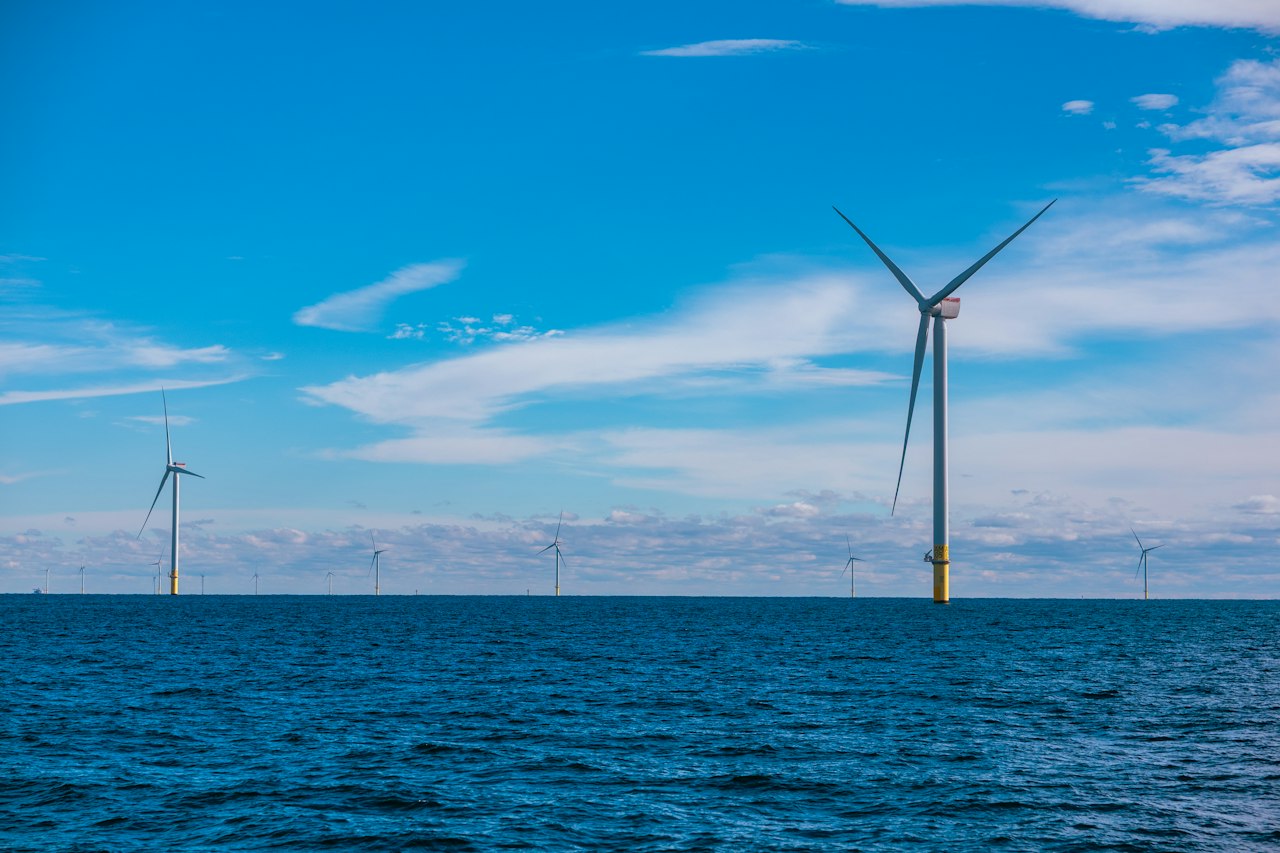
Yet there is real progress in the numbers as well. Clean power keeps getting cheaper, early warning systems are saving lives that would have been lost a generation ago, and several damaged ecosystems have recovered faster than anyone dared to predict. Researchers will publish fuller findings in the months ahead.