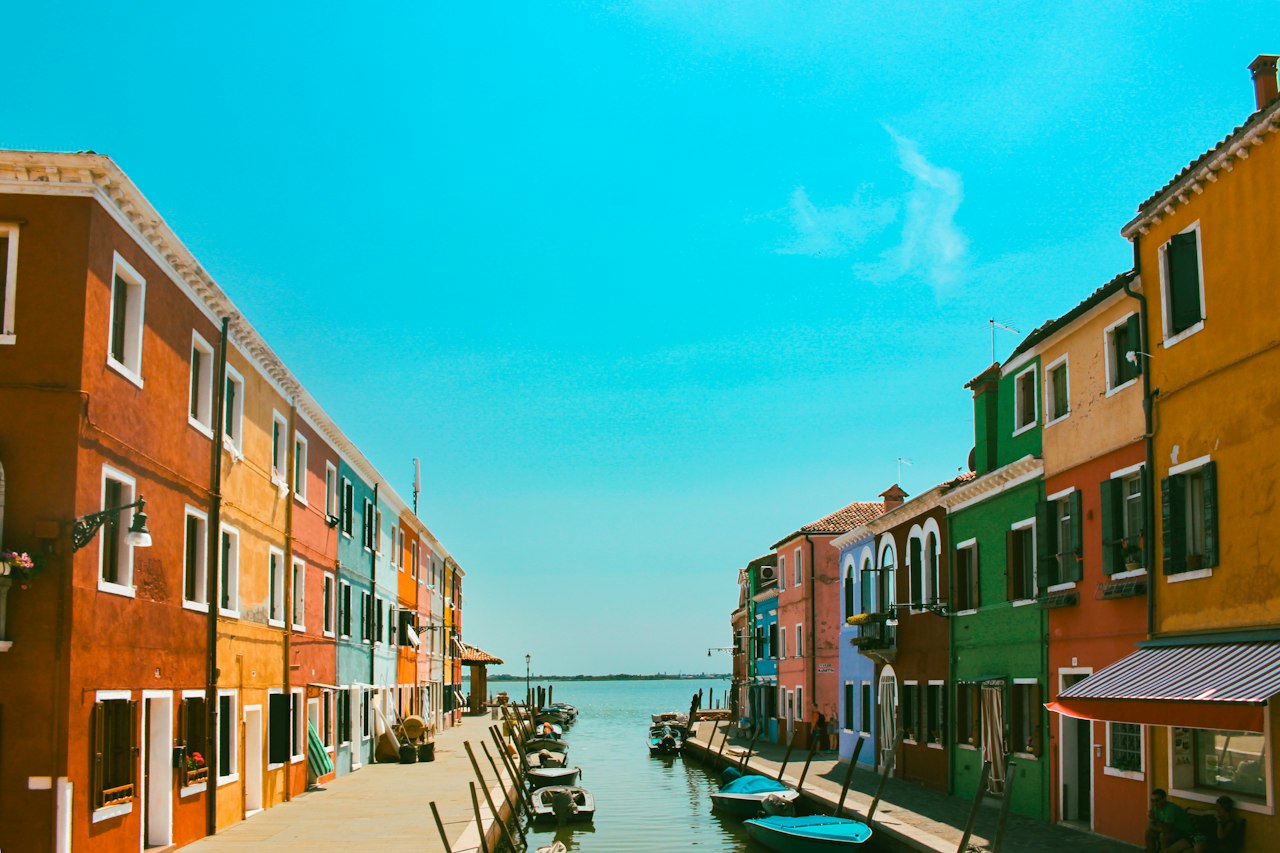

When the sirens sound, shopkeepers in St Mark's Square no longer reach for their sandbags, because seventy-eight yellow gates are rising from the seabed at the mouth of the lagoon.
On the ground
Early in the morning, before the crowds arrive, it is easy to see how much has changed. The new signs have been up for less than a year, yet the people who pass them already treat them as if they had always been there. That is usually the mark of a local experiment that has succeeded.
They keep the city dry. Now we have to work out how to keep the lagoon alive.
How it works
None of it happened quickly. The plans sat in folders through several rounds of consultation, the budget was revised more than once, and many residents were openly doubtful until the first results came in. City engineers now host visiting delegations from all over the world, most of whom ask the same three questions.
The view from here
What travels best from one city to another is rarely the technology. It is the habits around it: the patient public meetings, the willingness to run a small trial before a large one, the decision to measure what happened and to publish it even when the numbers are disappointing. Those lessons cost very little to copy.
Ask people here whether it was all worth it, and most of them will talk about something small: a shorter journey, a quieter street, a child who now learns to swim in water that their grandparents were told to avoid. Big changes in a city tend to arrive in exactly this way, one ordinary morning at a time.