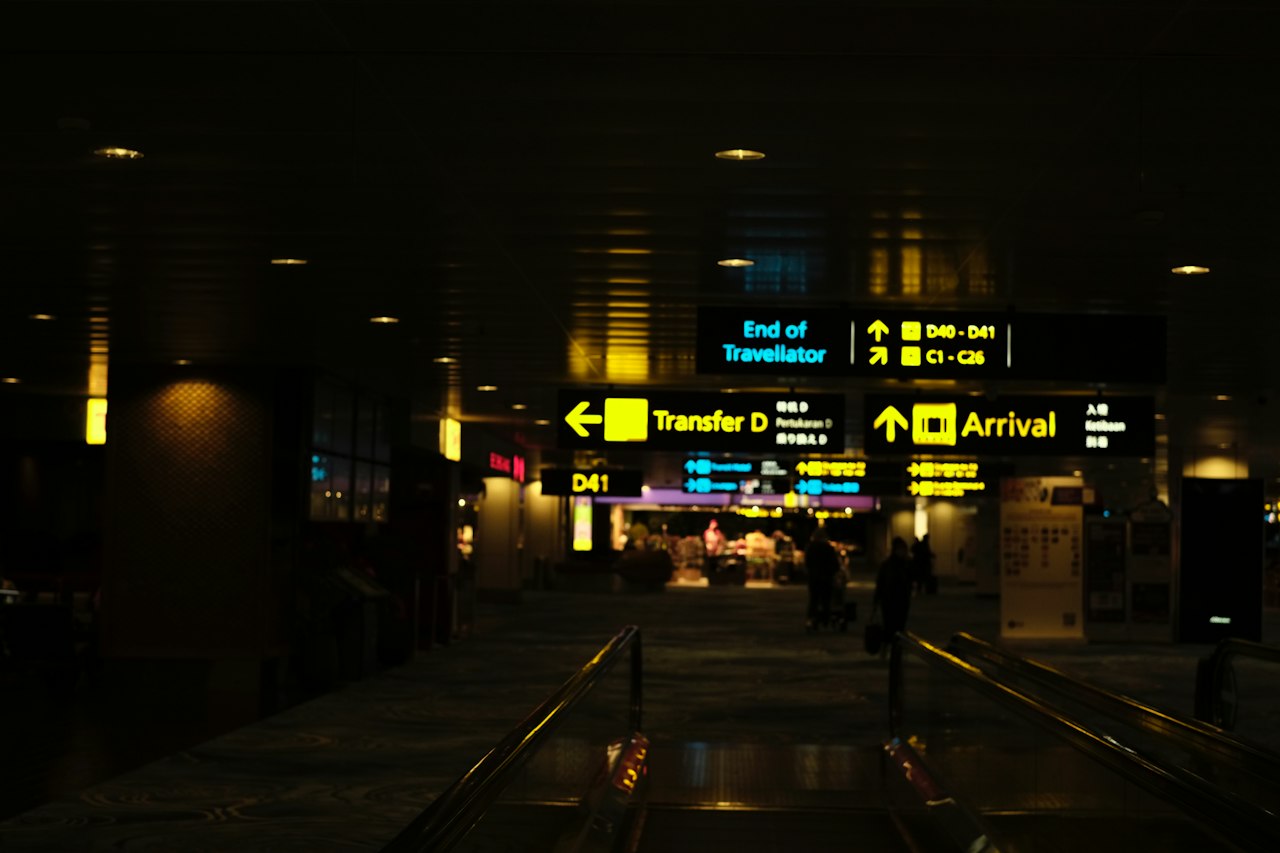

The figures confirm what anyone who has queued at an airport this year already knew: the world is travelling again, and this time a growing share is going somewhere new.
The numbers
The latest figures landed on trading desks early in the morning and were being argued over by lunchtime. Analysts disagree about how long the trend will hold, but few dispute its direction, and companies a long way from the original source are already adjusting their prices and their plans for next year.
The old capitals are full. The second cities are getting their turn.
Behind the numbers
Global trade remains a long chain of small dependencies. A poor harvest in one hemisphere changes a café menu in the other, and a delayed ship can leave a factory waiting for a part that costs less than a sandwich. The past few years have taught businesses to hold more stock and to trust fewer single suppliers.
What it means for you
Economists also point to quieter, slower forces underneath the headlines. Populations are ageing, skilled workers are harder to find, and the shift to cleaner energy is creating fierce new demand for certain metals. These pressures do not make for dramatic charts, but they are likely to shape prices for a long time.
For most households, all of this eventually arrives in very ordinary places: at the checkout, on the energy bill and in the cost of a summer holiday. The advice from those who study it is unexciting but consistent. Be wary of any forecast that sounds too certain, including the ones you would quite like to believe.