
The pattern is one of the most dependable in American elections: when the White House is not on the ballot, a good many regular voters tend to stay home.
At the polls
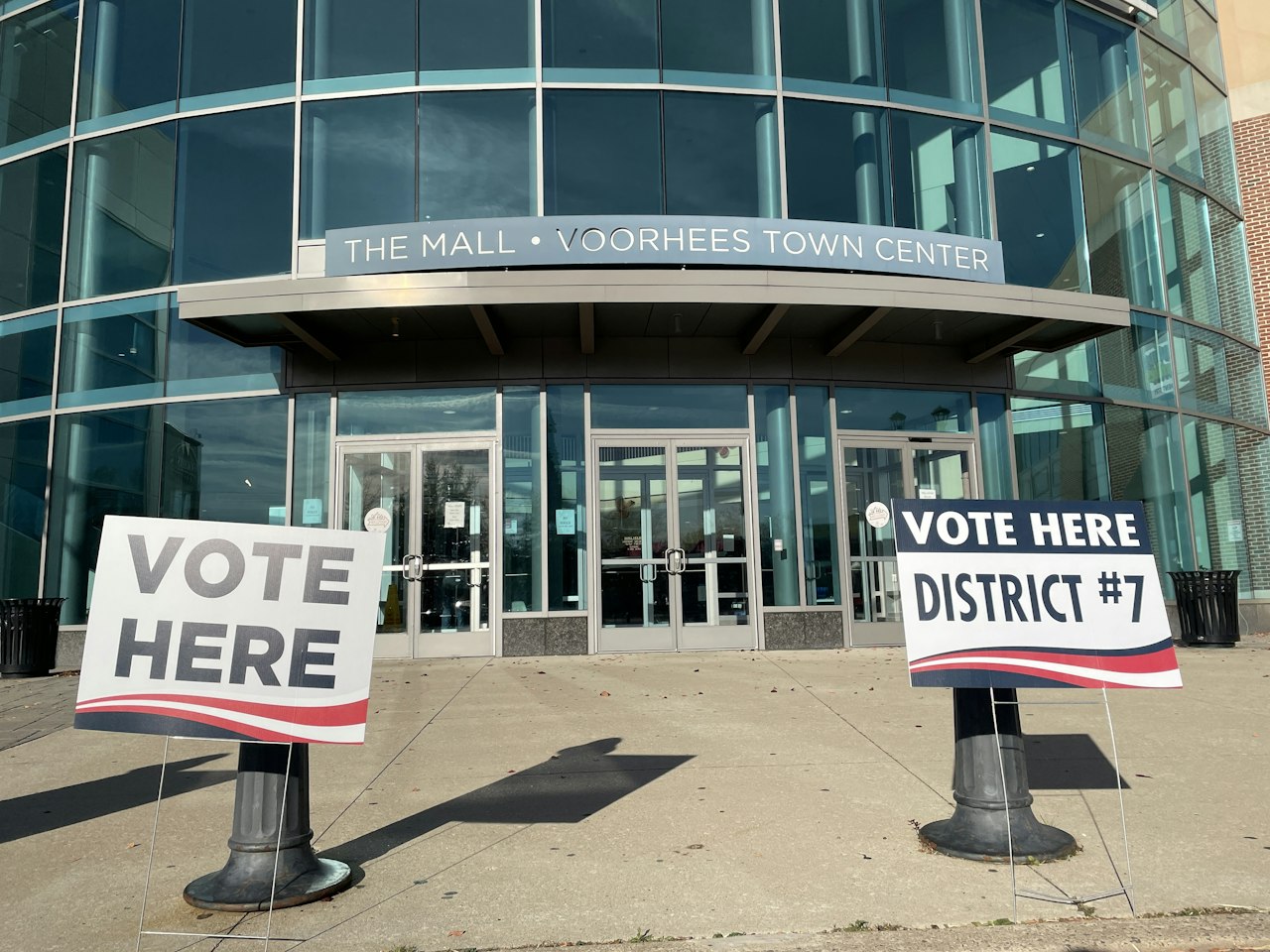
The doors of the first polling places open before sunrise, in school gyms, church halls and fire stations. Volunteers set out folding tables and thermoses of coffee while the early queue forms outside. For most of the people in it, this is a brief and rather ordinary errand on the way to work.
Midterms decide a great deal, and they get a lot less attention.
How the system works
Every member of the House of Representatives serves a two-year term, so all 435 seats come up at once. Senators serve for six years on staggered terms, which puts about a third of that chamber in play in any election. This year there are 35 Senate races, along with contests for 36 governorships and many local offices.
What happens next
Each state sets its own rules for how ballots are handled. Mail ballots may need their signatures checked, provisional ballots must be verified, and no state publishes mail results before its polls have closed. That is why the figures on election night are always partial and unofficial, and why the numbers can shift as the count goes on.
Once the counting ends, the results still have to be certified, on timetables that vary from state to state and can run for several weeks. The new Congress then takes office in January. Whatever the final numbers show, the slow and rather unglamorous checking in between is simply how the system was designed to work.