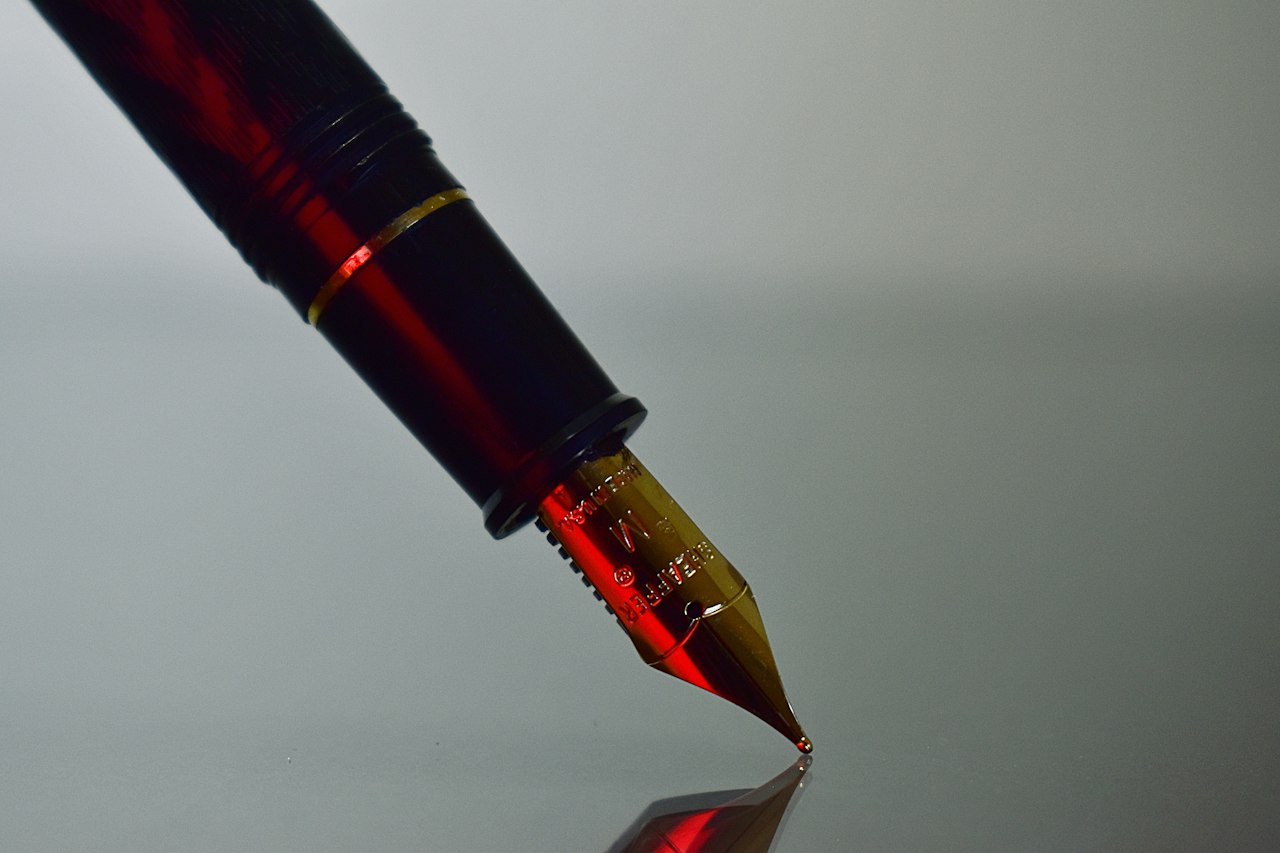

The pens and the photographs come first, and then the text goes home to national parliaments, committees and courts, where it may wait for a very long time before it binds anyone.
The background
Most of international politics happens far from the cameras, in long rooms with small flags and very bad coffee. Officials spend months agreeing on the wording of a single paragraph, and by the time a leader reads the final text aloud, nearly all of the real decisions have already been made by people whose names you will never hear.
The signature is a promise to begin.
How it works
Every system has its own rules, and those rules quietly shape the outcome. Who is allowed to vote, how many votes are needed and who can block a decision often matter as much as the arguments themselves. Understanding the procedure will not tell you what should happen, but it usually explains why things turn out as they do.
What to watch
Voters and commentators tend to expect fast and clear results, and institutions are rarely built to provide them. Parliaments negotiate, coalitions take time to form and treaties can spend years waiting to be ratified. What looks like deadlock from the outside can often be the system doing exactly what its designers intended it to do.
The useful habit is to look past the headline and ask what has formally changed. Has anything actually been signed, voted on or brought into force? Many announcements are only the first step in a long process, and the dull later stages, which get very little coverage, are often where the real consequences are decided.