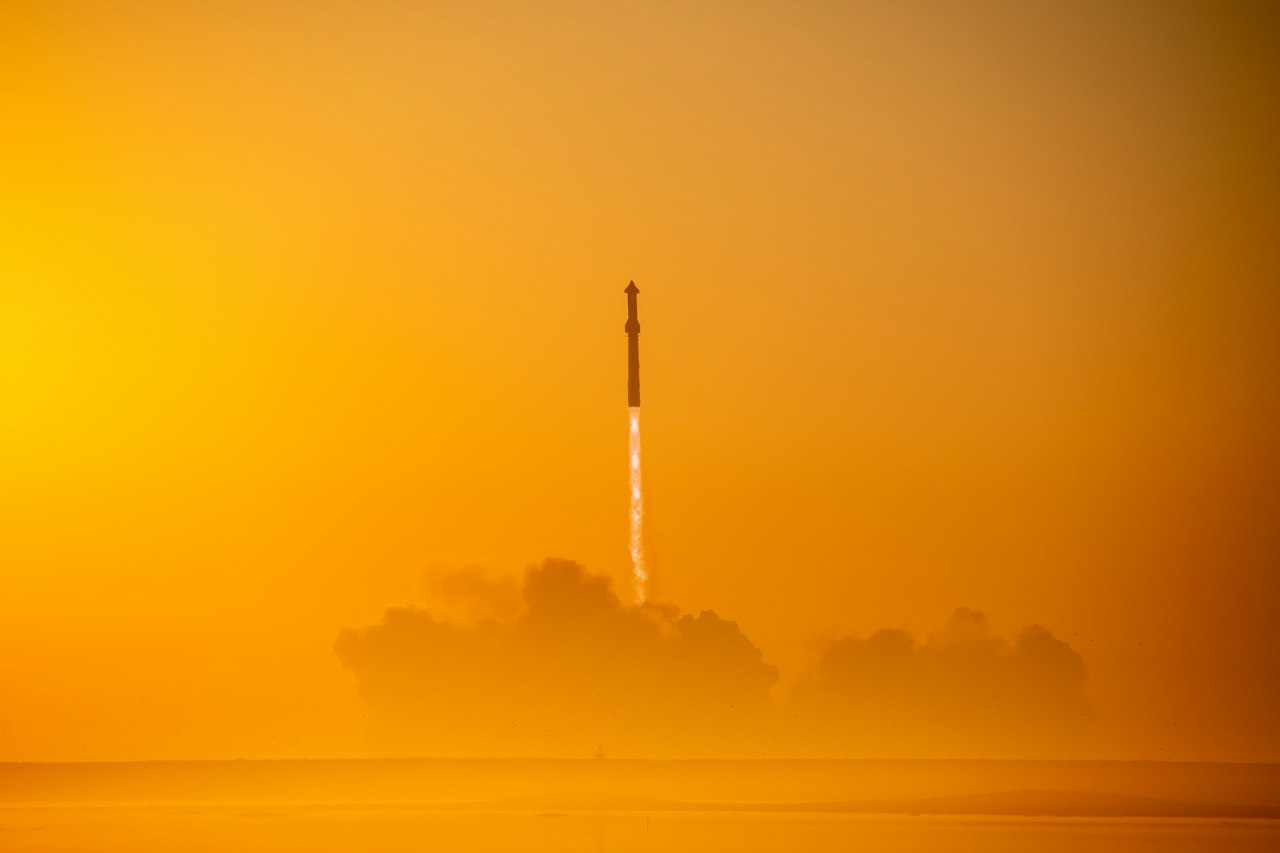

Across the world's spaceports, this year's launch count passed last year's total with two months to spare, and hardly any of those launches made the evening news.
The mission
It takes years of planning and thousands of people to reach a moment like this, and then, when it finally arrives, it mostly looks like a small group of engineers staring at a screen. The first signal came through a few minutes later than expected, long enough for the room to go very quiet indeed.
The most remarkable thing about it now is how unremarkable it is.
What they found
The early data is exciting precisely because nobody yet knows what to make of it. Teams on three continents have started the slow work of checking the instruments, ruling out errors and arguing over what they might be looking at. In discovery, the most useful phrase is often simply that it looks a little odd.
Where it goes from here
Exploration has also become cheaper and far more crowded. Launch costs have fallen sharply, small research groups can now afford their own instruments, and universities that once had to wait a decade for access can now get their results in months. A far wider range of people now get to ask the questions.
There is still a long way to go. Findings will need to be replicated, and missions will fail, as they always have. But each new image and sample widens the map a little, and the people doing this work say that the best part of the job is how often it turns out that they were asking the wrong question.