Businesses on all sides are still working out who pays.
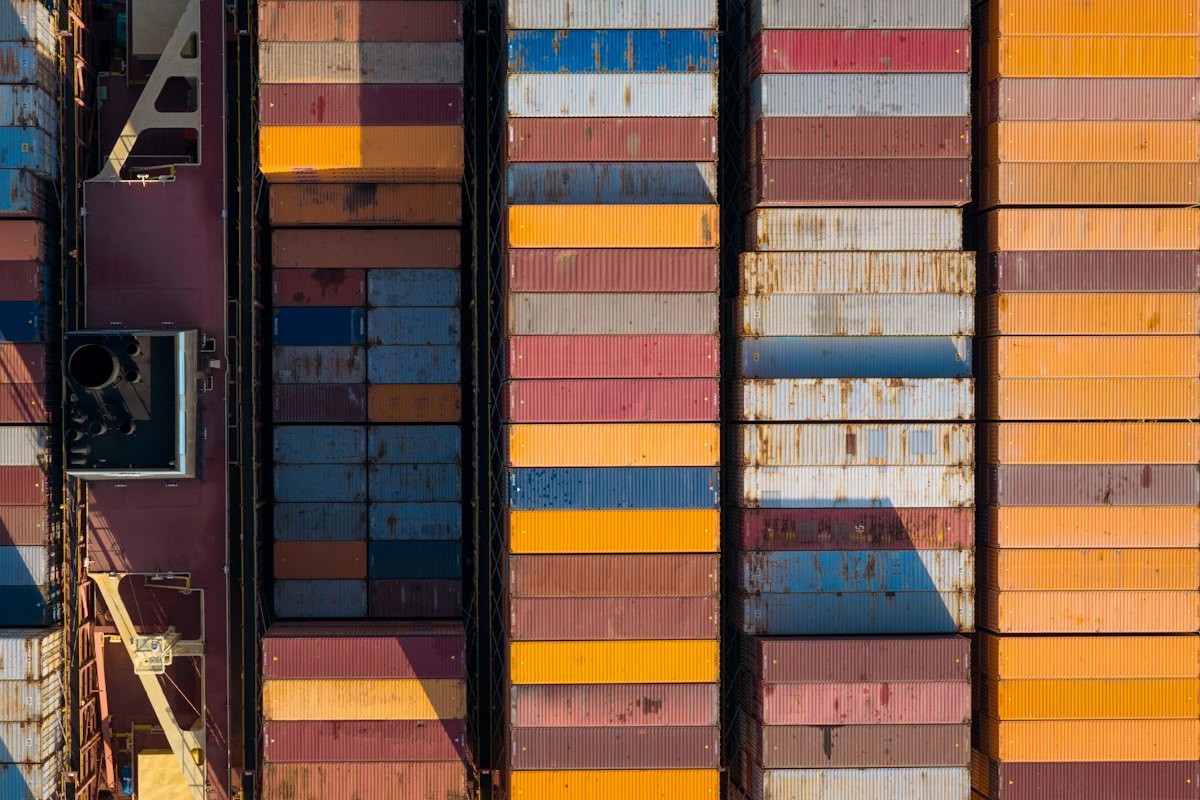
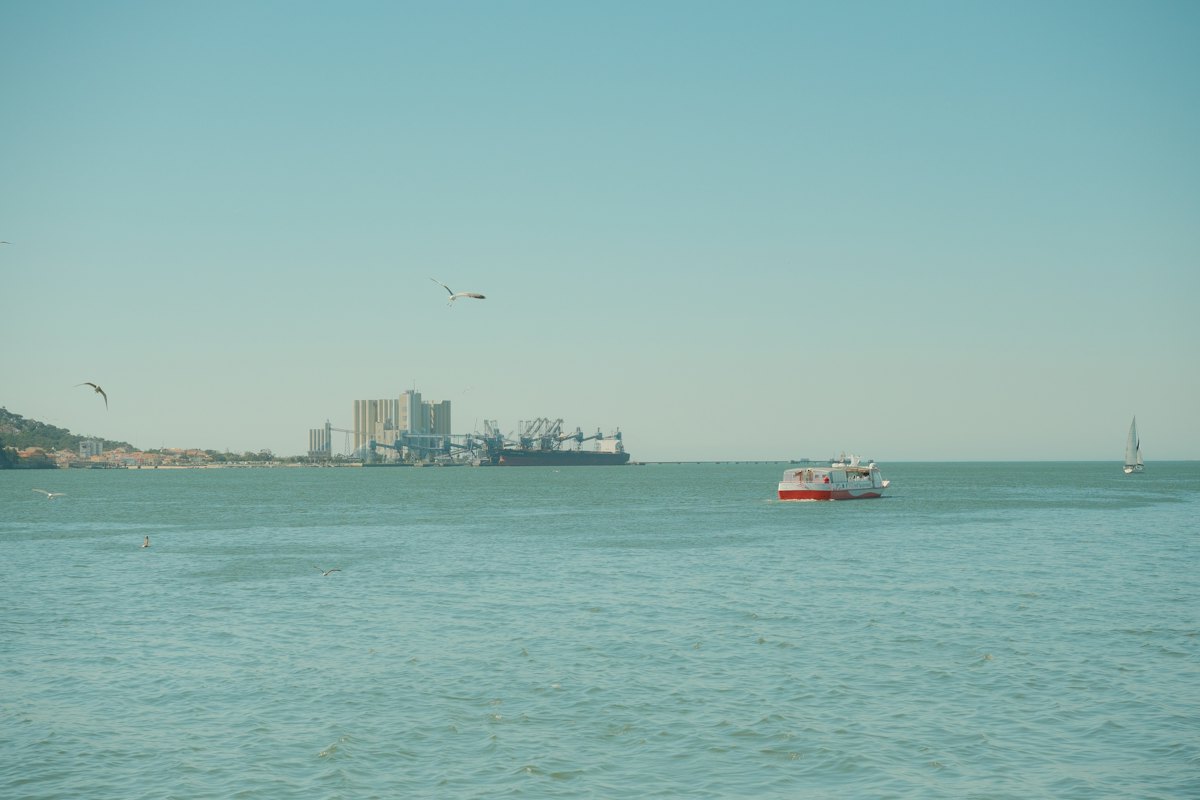
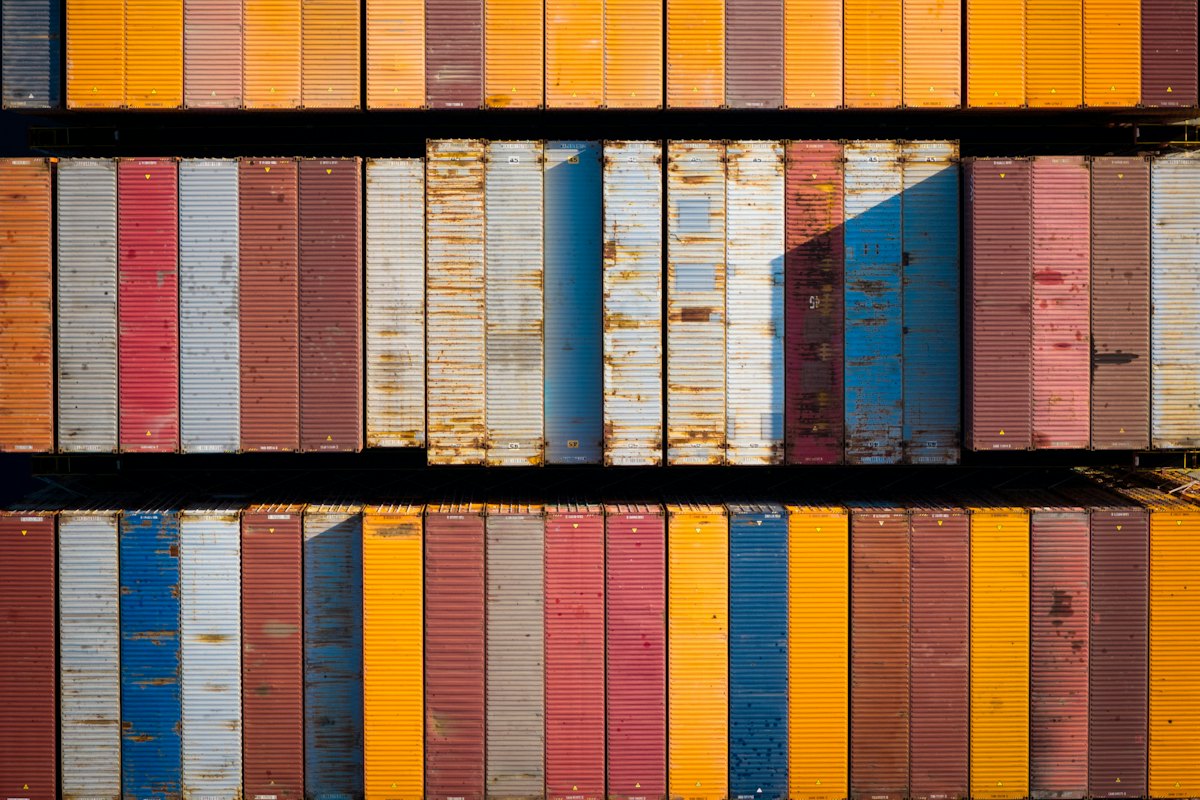
On a cold morning at the container terminal in Port Selwyn, the cranes are working at about two-thirds of the pace they managed five years ago. The dock foreman, a man who has spent thirty years watching boxes come off ships, can tell you the history of the decade’s trade disputes simply by pointing at the stacks: the blue containers that used to carry machine parts from across the Strait, the grey ones that now sit empty for weeks, the new white ones belonging to a shipping line nobody here had heard of until two years ago.
Tariffs were once a technical subject, the business of customs officials and specialist lawyers. Over the past ten years they have become something else: a measure of national seriousness, a bargaining chip in disputes that have nothing to do with trade, and a near-permanent source of uncertainty for anyone who makes, buys or sells goods across a border. The question that keeps coming up in boardrooms, ports and kitchens is deceptively simple. Who actually pays?
A tax that moves around
In theory a tariff is paid by the importer at the border. In practice, economists say, the cost travels. Some of it is passed on to customers in higher prices. Some is absorbed by foreign exporters who cut their own prices to keep market share. Some is swallowed by importers in thinner margins, and some disappears into supply chains that are slowly rearranged to avoid the duty altogether.
“Every tariff is a negotiation over who blinks first,” said Dr Ines Halvorsen, an economist at Calder University who has tracked prices on more than 3,000 imported goods since the first round of duties. “On some products the consumer paid almost the whole lot within months. On others the foreign supplier quietly cut prices by nearly the same amount. You cannot know in advance.”
Her research suggests that across the region’s imports, households bore roughly 60 per cent of the cost of the duties imposed over the decade, with the remainder split between importers and overseas producers. But the averages hide extremes. Household appliances rose sharply in price; certain industrial inputs barely moved because their makers had few other buyers.
The manufacturers caught in the middle
For Calder’s smaller manufacturers, the problem has often been less the level of tariffs than their unpredictability. Rosalind Achterberg runs a firm in the valley that makes precision valves for brewing and dairy equipment. Her company buys steel from one side of the Strait and sells finished products to the other. At various points in the past decade it has faced duties on its raw materials, retaliatory duties on its exports, and, briefly, both at once.
“We have rewritten our pricing four times in three years,” she said in her office above the workshop floor. “Each time we had to decide whether to eat the cost or lose customers. The worst part is not the tariff itself. It is not knowing whether it will still be there in six months.” Her firm now holds around four months of steel stock, double its old level, as insurance against the next change. Exporters elsewhere have taken different routes. Some have moved final assembly to third countries to change the origin of their goods. Others have given up on certain markets altogether. Farmers in the hill towns, who once sold a large share of their lamb overseas, found themselves shut out for two seasons by a retaliatory duty aimed at an entirely different industry.
Politics that rewards the fight
Why, if the costs are so widely shared and so hard to predict, have tariffs remained so popular with governments? Part of the answer is visibility. A factory saved from foreign competition is easy to photograph; price rises spread thinly across millions of shopping baskets are not. Tariffs also raise revenue without a vote on a new tax, and they offer ministers a tool that can be used quickly and withdrawn as a reward.
That flexibility is precisely what businesses dislike. Trade officials who spoke privately for this article described a decade in which duties were announced, delayed, raised, suspended and reinstated, sometimes within the same quarter. One senior customs official said her team had processed more tariff schedule amendments in the last five years than in the twenty before them.
There are signs of fatigue. Several governments across the region have begun negotiating so-called stability clauses, promising notice periods of at least a year before any new duty takes effect. Business groups in Calder have lobbied for the Assembly to adopt similar rules. But with trade disputes now tangled up in security, energy and technology rivalries, few at the Port Selwyn terminal expect the cranes to return to their old pace any time soon. The fight over who pays, it seems, has only paused for breath.