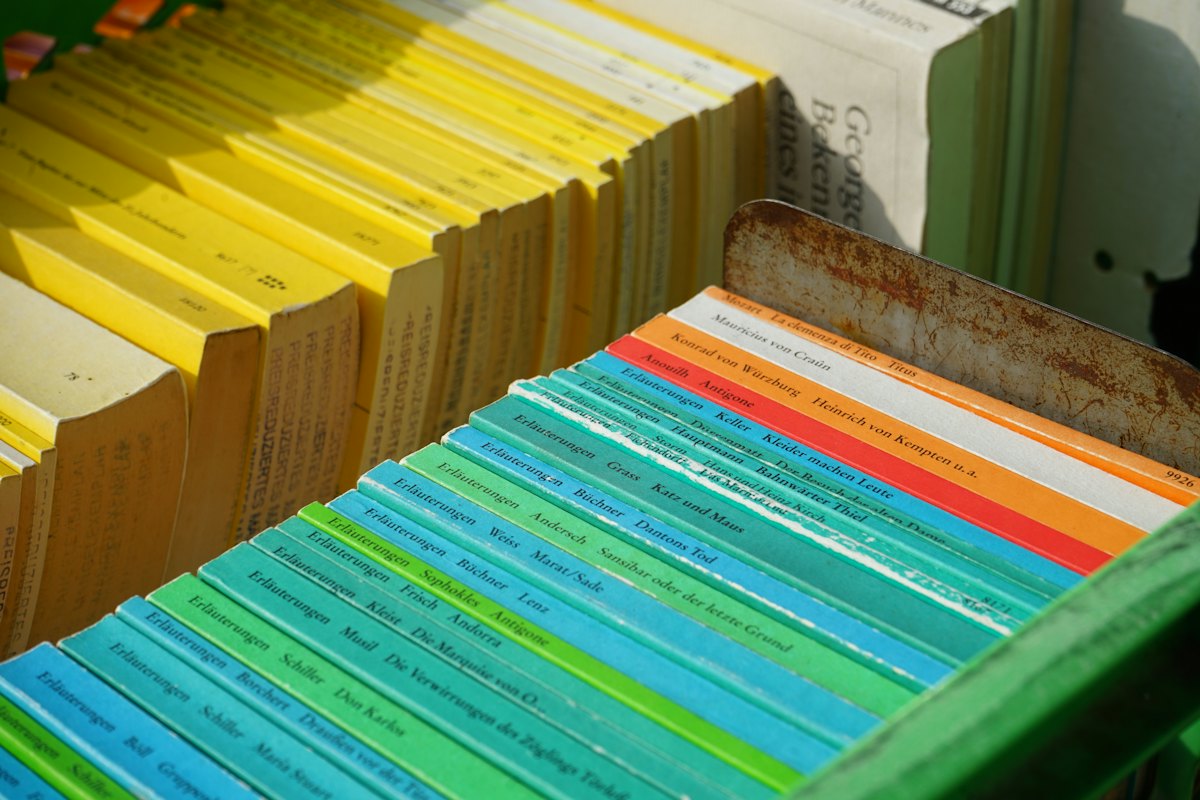
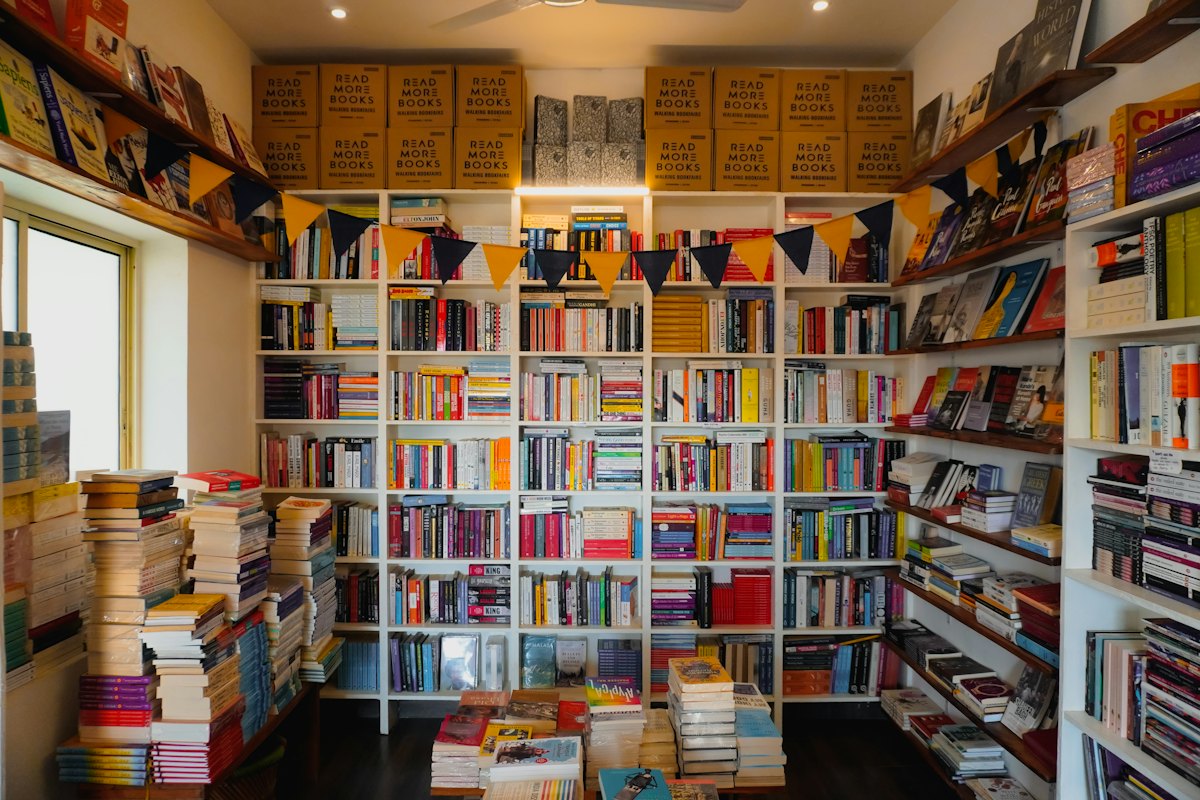
Lean lists and braver editors are changing the shortlists.
Look down this autumn’s shortlists and a pattern emerges that would have seemed unlikely ten years ago. Of the twenty-four titles named across the three biggest fiction and non-fiction prizes, eleven come from independent presses with fewer than a dozen staff. Two of those presses are based in Calder, one operates out of a converted chapel in Ardle, and one publishes only four books a year.
The large houses have not disappeared from the lists, but their dominance has thinned. Judges, agents and editors offered several explanations, most of which come back to the same idea: a smaller list forces a publisher to choose, and a publisher that chooses carefully tends to choose interesting books.
Four books a year, and every one of them read twice
Lantern Yard Press, which runs from two rooms above a bicycle shop on Weavers Row in the old town, has a debut novel on the main fiction shortlist and a translated memoir on the non-fiction longlist. Its founder, Bridget Oduya, previously spent eleven years at one of the big conglomerates in the capital. She left, she says, because she was acquiring forty titles a year and could not remember half of them by the time they reached the shops.
“When you only publish four books, you cannot afford a dud. So you edit like it matters, because it does. Every one of our books has been through three full structural edits. At my old job we were lucky to manage one.”
Oduya’s point about editing is echoed by judges. Several said that the books from small presses arrived cleaner, more confident in their structure and less obviously shaped by marketing departments. One judge on this year’s non-fiction panel, the historian Callum Rees, said the panel had noticed that independent titles were more likely to take formal risks – a biography told in letters, a novel in which the narrator changes halfway – and less likely to resemble last year’s bestseller. There are practical reasons too. Since the major prizes dropped their entry fees for publishers with turnover below a set threshold, small presses have been able to submit without gambling a month’s budget. Rees said the number of independent submissions to his prize had almost doubled in three years.
The case against the trend
Not everyone thinks the shift is healthy. An editorial director at one of the larger houses, who asked not to be named, argued that independent success on prize lists rests on a precarious economy: low advances, unpaid interns, translators working for very little, and authors who cannot afford to write a second book. “The lists reward the books,” she said. “They do not pay the rent.”
That is a fair charge, and some independents concede it. Many authors on this year’s lists received advances below four figures. Prize money, and the sales bump that follows a shortlisting, can transform a small press’s year, but it can also expose it. Lantern Yard had to reprint its shortlisted debut three times in a fortnight and borrowed from a local credit union to pay the printer before the shops paid their invoices.
Distribution remains the weak point. A large house can put a shortlisted title on every supermarket shelf within days. A small press relies on a handful of independent bookshops, a distributor that may handle hundreds of other lists, and goodwill. Kestrel Books, the chapel-based press in Ardle, said that half its orders after the shortlist announcement came directly through its website.
What readers can take from it
For readers, the practical upshot is a broader range of books in the window. Booksellers in Calder say customers are asking for presses by name, something that used to happen only with a few literary imprints. Theo Lindqvist, who runs the Quayside Bookshop near the canal, keeps a table of independent titles by the till and says it outsells the front display most weeks.
If you want to follow the trend, booksellers suggest starting with these from this year’s lists:
- The Salt Accounts, a debut novel set on the headland (Lantern Yard Press)
- Nine Winters, a translated memoir of a mountain village (Kestrel Books)
- A Short History of Bridges, an essay collection (Fernhill Editions)
- The Weight of Small Things, stories (Lowgate Press)
Whether any of them wins will be known next month. Either way, the large houses are watching. At least two have quietly launched small, separately branded imprints with deliberately short lists – which may be the most telling compliment the independents have received all year.