Five governments agreed to share cables, ports and the profits of a new wind corridor.
The signing took place on Thursday afternoon in the conference hall of the old customs house at Mareno, a port town on the southern gulf whose quays have handled little more than fishing boats and the occasional cement freighter for two decades. By the time the five delegations had initialled the last annex, it was nearly dark, and the harbour lights were coming on along a coastline that, if the agreement holds, will soon be lit by its own wind.
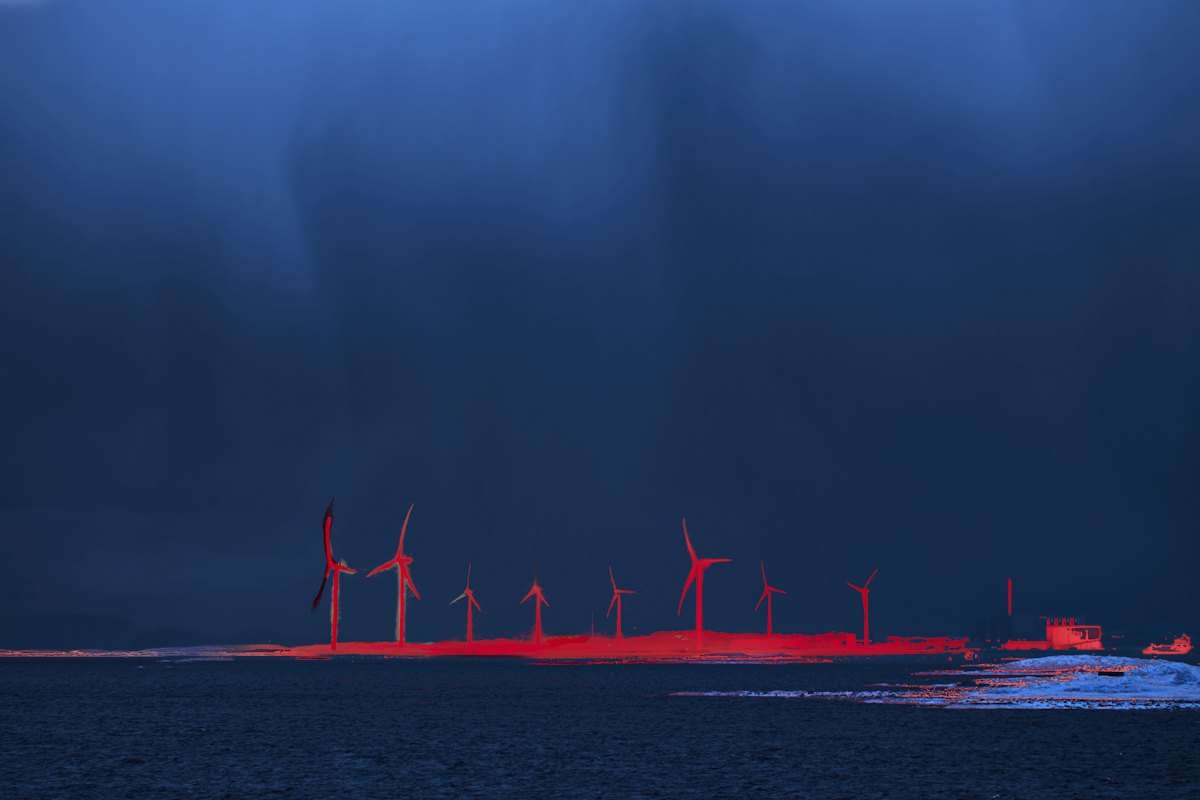
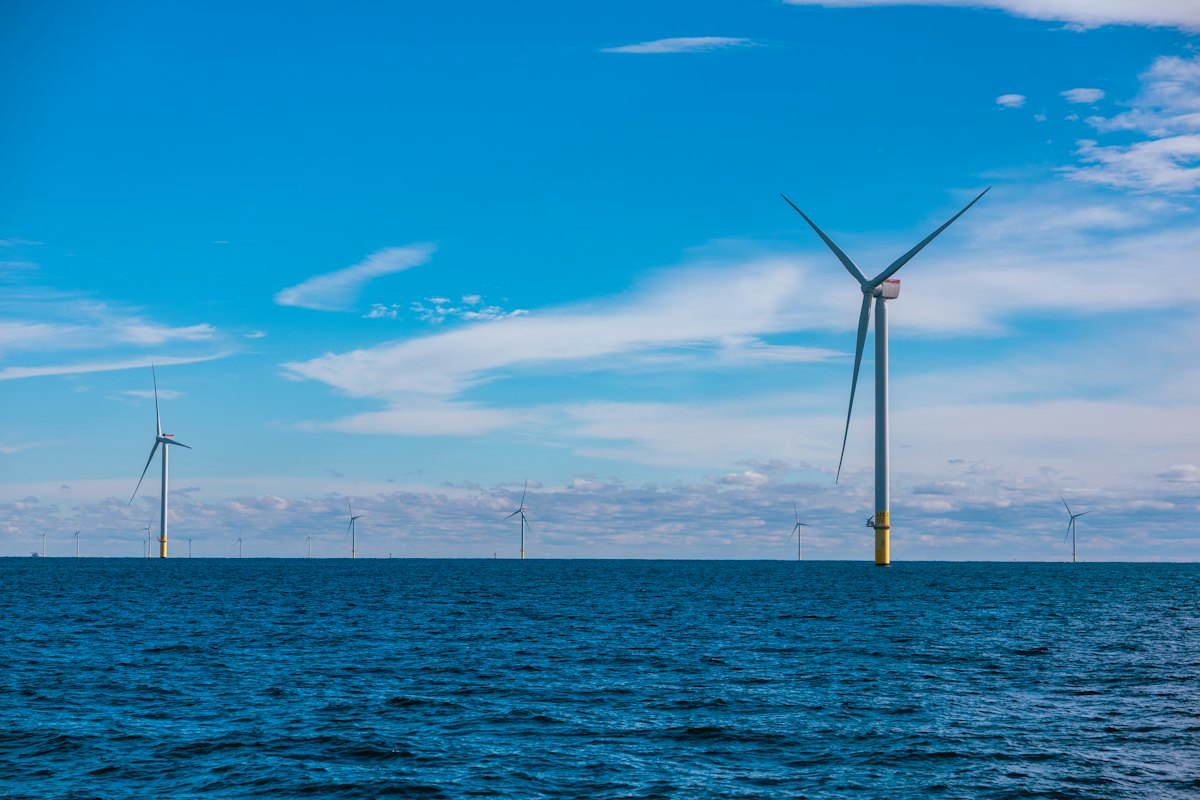
The pact commits the five coastal states of the gulf to building and sharing a single offshore wind corridor stretching roughly 600 kilometres from the mouth of the Seko river to the cape at Tamandou. Over twenty years the partners expect to install some 9 gigawatts of turbines, linked by a shared subsea cable that will run parallel to the shore and feed power into each national grid at agreed landing points.
Who pays, who builds, who profits
The financial structure is the part negotiators spent longest on. Each state will hold a stake in a joint operating company in proportion to the length of its coastline within the corridor, but no partner may hold more than 30 per cent. Revenues from electricity sold across borders will be pooled and divided by a formula that weights both installed capacity and the volume of power each country actually takes. The smallest partner, the island state of Kaleru, which has almost no domestic generation and imports most of its diesel, will receive a guaranteed minimum share for the first eight years.
Ports are the other half of the deal. Rather than each country trying to build its own assembly yard, three existing harbours – Mareno, Port Abesi and the northern deep-water berth at Okondo – will be upgraded as specialist bases: one for turbine foundations, one for blades and towers, one for cable-laying vessels. Officials estimate the port works alone will cost the equivalent of 1.4 billion over the first six years, financed through a regional development fund and a consortium of lenders that has not yet been named.
“For years each of us looked at the same wind and the same sea and drew up five separate plans that none of us could afford. Today we drew one plan that all of us can.”
The words were those of Nadia Ebongue, energy minister of the host state, who chaired the final round of talks and who spoke without notes for nearly twenty minutes after the signing. She acknowledged that the agreement had nearly collapsed twice, once over the routing of the cable past a disputed fishing ground and once over which country would host the corridor’s control centre. The second question was resolved by splitting the job: day-to-day dispatch will be run from Port Abesi, while maintenance planning and the training college will sit at Okondo.
Fishermen and the cable route
Not everyone in Mareno was celebrating. Outside the customs house, a small group of fishermen from the villages along the Seko delta held a quiet vigil, holding hand-painted signs asking for compensation if exclusion zones around the turbines cut into their grounds. The agreement includes a fisheries chapter promising consultation before each phase and a fund for affected communities, but the amount has been left for a later protocol.
Joseph Mbaye, who has fished out of the delta for thirty-four years and chairs a cooperative of around 200 boats, said his members were not opposed to the turbines. “We are opposed to finding out where they are after they are built,” he said. He wants a seat for fishing cooperatives on the joint company’s advisory board, a request that two of the five delegations said they would support.
Environmental groups gave a cautious welcome. Survey work over the past three years has mapped the main migratory routes of sea turtles and the feeding grounds of a resident dolphin population, and the corridor has been drawn to avoid the most sensitive stretches. Construction will be paused during the four-month nesting season on the beaches near Tamandou.
The next three years
The first phase covers about 1.2 gigawatts off the coast between Mareno and Port Abesi, with seabed surveys to finish next year and the first foundations due to be installed in the dry season after that. The partners say the first power should flow ashore within four years, though independent analysts at the regional energy institute in Okondo have described that timetable as ambitious, noting that cable-laying vessels are in short supply worldwide.
Ratification is still needed. Four of the five parliaments must approve the treaty by simple majority; the fifth requires a referendum on any agreement that pools national revenue. Officials said they expected the first ratification votes before the end of the next session. If any partner withdraws within the first five years, its share of the cable and port assets reverts to the joint company at cost – a clause designed, one negotiator said privately, to make leaving more expensive than staying.