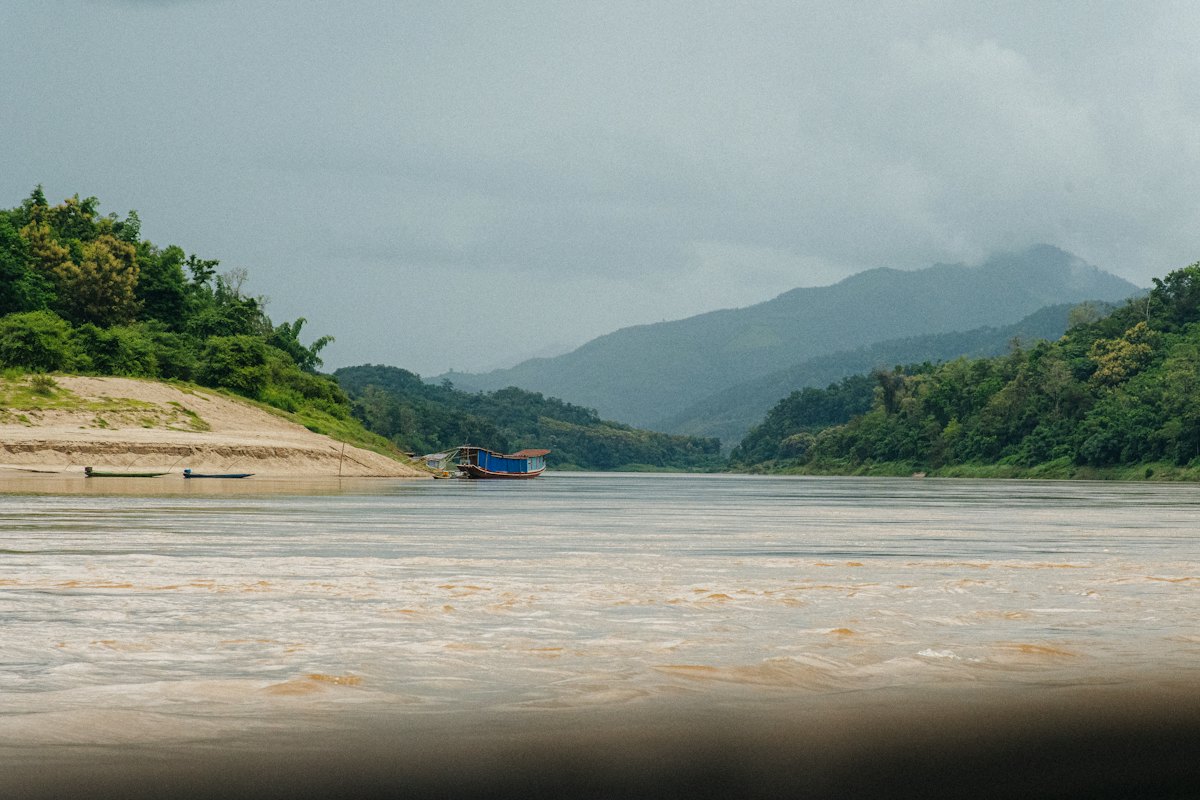
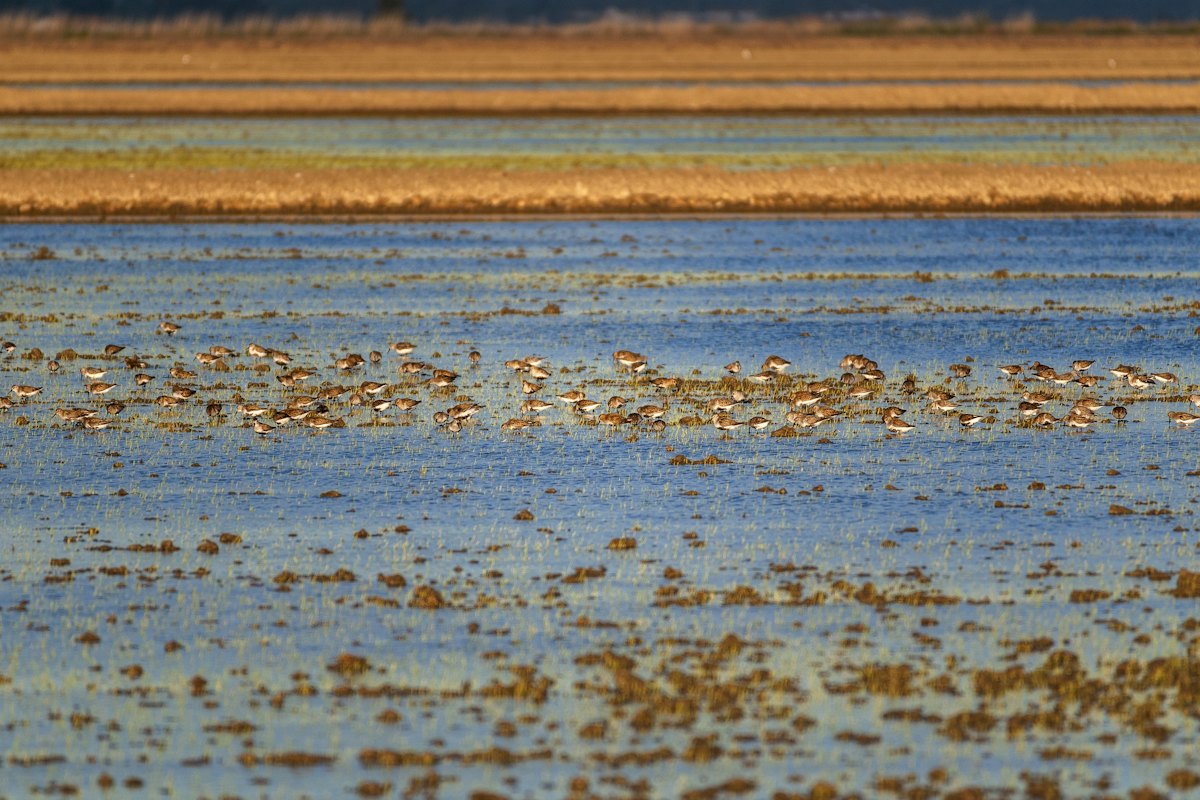
The decision covers more than nine hundred square kilometres of mangrove and mudflat.
The coastal assembly of the Marenji delta voted on Tuesday to grant full protected status to 932 square kilometres of mangrove forest, tidal creek and mudflat along the southern shore, ending a decade-long dispute between fishing communities, shrimp farm operators and the regional government. The motion passed by 41 votes to 12 after an all-night sitting in the port town of Kessoula, where hundreds of people waited outside the chamber for the result.
The designation bans new aquaculture ponds, dredging and land reclamation inside the protected zone, and sets a ten-year deadline for existing ponds within the boundary to be either restored to mangrove or relocated. Traditional fishing with hand nets and small boats is explicitly permitted, as is the harvesting of mangrove wood for household use under a permit system run by village councils.
A coast in retreat
The delta has lost about a third of its mangrove cover in thirty years, according to survey data presented to the assembly by the regional fisheries institute. Most of that loss came from clearance for shrimp ponds, which spread rapidly along the shore in the 1990s and 2000s as export prices rose. As the trees disappeared, the coastline began to erode. Several villages on the outer creeks have moved their houses inland twice in a generation, and salt water now reaches rice fields that were once a day’s walk from the sea.
Scientists at the institute estimate that the protected zone stores roughly 90 million tonnes of carbon in its soils and vegetation, much of it in the deep mud beneath the mangrove roots. Disturbing that mud releases carbon that has accumulated over centuries, which is why the new rules focus as heavily on dredging and drainage as on tree-felling.
“For years we were told that the mangroves were empty land waiting to be used. The fishermen always knew they were the reason there were any fish at all.”
Those were the words of Amina Thebe-Kossa, who chairs the federation of creek fishing villages and spent six years lobbying for the designation, speaking on the steps of the assembly building after the vote. Her federation represents 37 villages with a combined population of about 60,000, and its members gave evidence to the assembly that catches of crab and juvenile fish are consistently higher near intact mangrove than near cleared shore.
Who pays for the change
The most contested part of the debate concerned the shrimp ponds already operating inside the boundary, which cover about 140 square kilometres and employ several thousand workers. The final text offers pond owners compensation from a restoration fund to be financed jointly by the regional treasury and a levy on export licences. Operators who relocate to designated inland sites will receive grants for new equipment, while those who restore their ponds to mangrove will be paid a fixed annual sum for maintaining the young forest for fifteen years.
The operators’ association voted against the motion and has said it will challenge the compensation rates in the regional court. Its spokesman, Daniel Okonkwo-Reyes, said the sums offered were well below the value of the ponds and that many small owners had borrowed heavily to build them. Supporters of the designation counter that many of the ponds were dug without permits in the first place, and that the regional government is under no obligation to compensate illegal works.
Enforcement on the water
Passing the law is the easy part, according to conservation groups. The protected zone is threaded with hundreds of creeks that are navigable only at high tide, and the regional wildlife service has fewer than forty rangers for the whole coast. The new designation allocates funding for twenty additional posts and two patrol boats, and gives village councils a formal role in monitoring illegal cutting – a model borrowed from community forestry schemes in the highlands.
The assembly also approved a ten-year replanting target of 120 square kilometres. Nurseries run by women’s groups in three villages already raise mangrove seedlings, and the institute has published guidance on which species to plant at which tidal levels after earlier replanting attempts failed because seedlings were placed too low on the mudflat.
The rules come into force at the start of the next dry season. The first test will come within months, when the annual pond-clearing season begins along the outer creeks and rangers find out whether the new law carries any weight on the water.