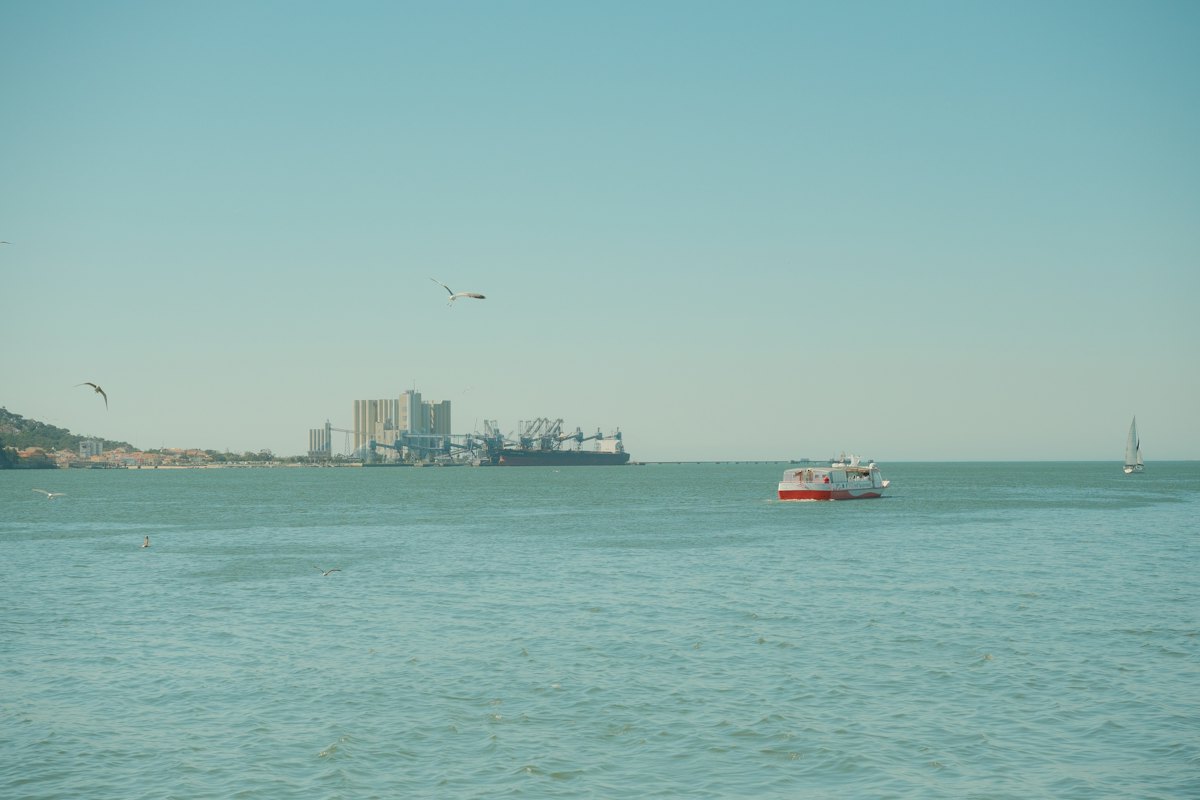

Crews worked double shifts for a fortnight to move more than forty thousand containers.
The last of the stranded boxes left the east quay at Port Selwyn shortly after four o’clock on Wednesday morning, ending a fortnight in which the harbour ran almost without pause to clear the largest backlog in its recorded history. By the port authority’s count, 41,600 containers were lifted, sorted and sent on by road, rail and coastal feeder in fourteen days – roughly double the throughput of an ordinary fortnight.
The queue had built up over nearly six weeks of stalled negotiations between the dock operators and the crane and lashing crews, during which an overtime ban and a series of rolling half-day stoppages cut the port’s working hours by about a third. At the peak, eleven vessels were anchored off the headland waiting for a berth, and the inland container yard at Ardle had run out of space for empties.
The agreement that ended the dispute was signed late on a Sunday evening three weeks ago. It gives crews a 6.5 per cent rise this year and a further 4 per cent next spring, guarantees two rest days in every seven, and – the point negotiators on both sides said took longest – sets out how the new automated stacking system on the west quay will be introduced without compulsory redundancies.
Two shifts, three cranes, no gaps
Within forty-eight hours of the deal, the port moved to a double-shift pattern, with crews working from six in the morning to two in the afternoon and from two until ten at night, and a skeleton team covering the hours in between. All three ship-to-shore cranes on the east quay were run at the same time for the first time since the summer, and the authority hired forty agency drivers to shuttle containers between the berths and the stacking yard.
Supervisors described the first few days as the hardest. Vessels that had been waiting longest were brought in first, regardless of their original schedule, which meant planners were rebuilding stowage plans on the quay rather than days in advance. Refrigerated containers – mostly fruit, fish and pharmaceuticals – were given priority on every ship, and the port said none of the 2,300 reefers it handled had been reported spoiled.
“We had people who had been on the picket line on a Friday working fourteen-hour days the following week, and nobody complained once. The talks were bruising. The clear-up was the opposite – everyone just wanted the yard back to normal,” said Bryony Achterberg, the port’s operations director.
Ms Achterberg said the authority had paid a premium rate for the double shifts, which she estimated would add about £1.8m to its operating costs for the quarter. Some of that will be recovered through storage charges, which shipping lines were billed for the full waiting period under existing contracts, though several lines are expected to contest the fees.
Costs further down the line
For businesses inland, the clear-up has been welcome but uneven. The Calder Chamber of Commerce said about a fifth of its members who import through Port Selwyn had reported delays of more than three weeks, with furniture retailers, garden centres and electrical wholesalers worst affected as stock for the winter season sat on ships offshore.
Desmond Okafor, who runs a kitchen-fitting firm in the valley, said he had postponed eleven installations while waiting for worktops and appliances. “We got everything in the end, but half of it arrived on the same two days, and we don’t have a warehouse,” he said. “I’ve had a lorry parked in my mother’s drive for a week.”
Road hauliers also felt the surge. The port said lorry movements through its main gate reached 3,900 on the busiest day, against a normal daily figure of about 2,200, and the Harrow road was briefly reduced to a crawl during the evening change-over. The authority has asked the city’s highways team to review the timing of the traffic lights at the port roundabout before the Christmas peak.
Rail freight carried a larger share than usual. Two extra trains a day ran between the quay and the inland terminal at Ardle for ten days, taking around 6,000 containers off the roads, according to the operator.
What comes next
The settlement includes a joint review of staffing levels after six months, and union representatives have said they will watch closely how the automated stacking system is rolled out on the west quay early next year. The port authority insists the system will create more skilled maintenance roles than it removes, a claim the crews’ union has said it will test against the numbers.
For now, berths are running to schedule. The authority said on Wednesday that no vessel was waiting at anchor for the first time since early September, and that dwell times in the yard – the average period a container sits before leaving – had fallen back to just under four days.
Members of the Assembly’s infrastructure committee have asked the port to give evidence next month on whether the region’s supply chains are too dependent on a single harbour. With Port Selwyn handling almost all of the region’s container traffic, several members argued the six-week stand-off showed how quickly a local dispute can reach shop shelves across Calder.