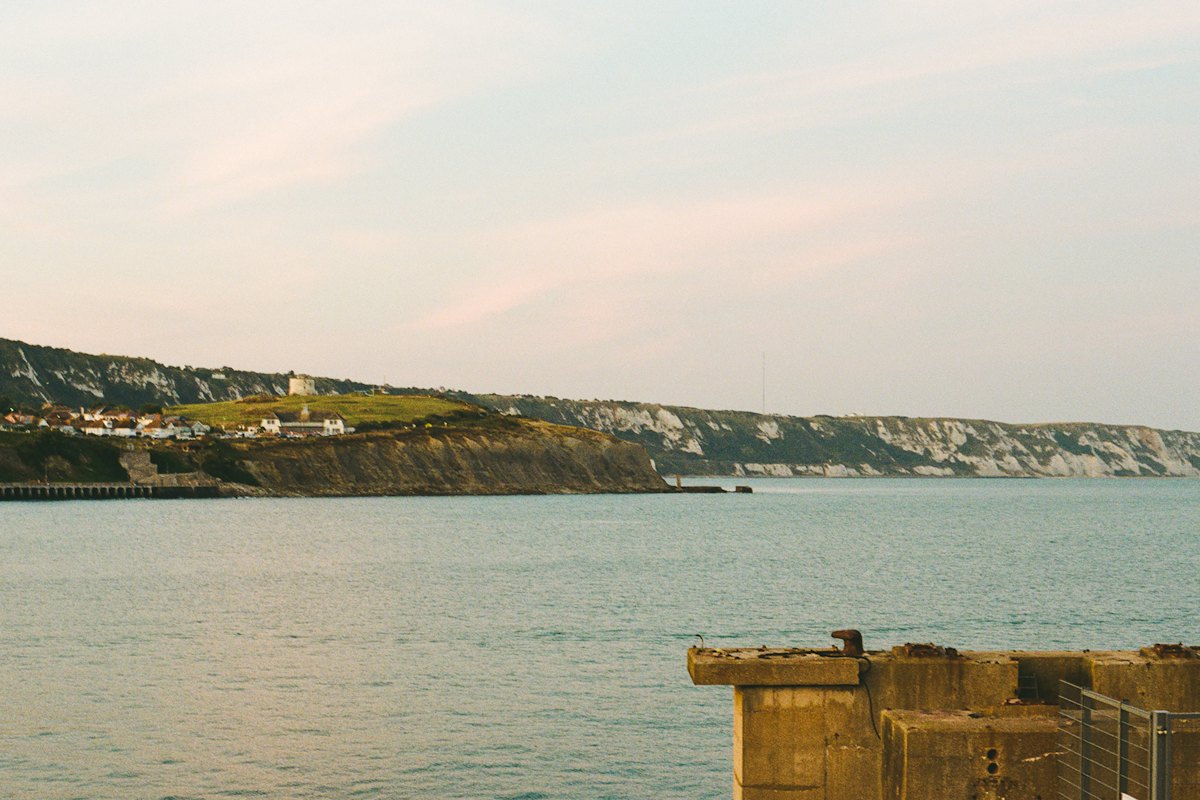





The first crossing in three weeks sailed full, with queues on both quays before dawn.
The horn sounded at 6.10 a.m. on Thursday, and for a moment nobody on the quay at Tal Merun moved. Then the gangway came down, a deckhand waved the first foot passengers forward, and a queue that had begun forming at four o’clock in the morning surged towards the ramp with suitcases, rice sacks and a crated goat.
The Siri Laut, a 46-metre passenger ferry that normally makes four return crossings a day between the mainland and the outer islands, had been tied up for twenty-two days. The Strait was closed to all passenger traffic after a dispute over pilotage rules left the harbour authority unable to certify night and dawn sailings, and a later spell of high winds kept the smaller boats in port even after the paperwork was settled.
By the time the ferry cast off, all 380 seats were taken and the purser was turning people away. On the far side, at the island quay of Pulo Danang, a second queue had been building since before dawn: islanders who had come over for hospital appointments or family visits and found themselves stranded on the wrong side of the water.
Three weeks on the wrong shore
For the roughly 14,000 people who live on the outer islands, the ferry is not a convenience but the only scheduled link to the mainland. There is no bridge and no airstrip. Fishing boats took some passengers across during the closure, charging up to five times the ferry fare, and the coastguard said it had intervened twice when overloaded boats ran into difficulty in the swell. Ratna Halim, a schoolteacher from Pulo Danang, had crossed to the mainland for a two-day training course at the start of the month. She spent nineteen nights in a relative’s spare room.
“I packed for two days and I stayed for three weeks. My class has been taught by a neighbour who is a retired clerk. The children are fine, but I have counted every day. When I heard the horn this morning I cried in the queue, and I was not the only one.”
Shopkeepers on the islands said flour, cooking gas and medicines had begun running short by the second week. A cargo barge was allowed through under escort on the twelfth day, but only for fuel and food staples. Island clinics postponed non-urgent referrals, and two women in late pregnancy were moved to the mainland by the coastguard as a precaution.
How the reopening was agreed
The harbour authority announced late on Tuesday that a compromise had been reached with the pilots’ association. Under the deal, licensed pilots will accompany the first sailing of each day for the next six months while new navigation lights are installed at the narrowest point of the channel, a stretch locals call the Needle. The authority will pay for the extra pilot hours; the ferry operators had argued they could not absorb the cost without raising fares.
Joko Pranata, the authority’s operations director, said on the quay that the timetable would return to normal immediately, with an additional afternoon sailing on Friday and Saturday to clear the backlog. He acknowledged the closure had lasted longer than anyone expected.
“We should have had a contingency for a dispute like this, and we did not,” he said. “The islands paid the price for that. The new lights will be in place before the monsoon, and after that the pilot requirement will be reviewed.” The pilots’ association said its members had raised concerns about the unlit channel for more than two years, and that the closure followed a near-collision in the Needle in early autumn between a ferry and a tug towing a barge. No one was hurt in that incident.
Back to the timetable
On board the Siri Laut, the mood was closer to a holiday outing than a commute. Children pressed against the windows as the ferry passed the marker buoys; a man sold fried bananas from a cool box in the stern; and several passengers filmed the crossing on their phones, the footage soon circulating on island message groups. The crossing took one hour and forty minutes, about ten minutes longer than usual because of the slower pace through the channel with the pilot aboard. When the ferry nosed into Pulo Danang, a small crowd had gathered on the harbour wall. Some held handwritten signs; one simply read “Welcome home”.
Operators said bookings for the coming week were already close to capacity and urged passengers without urgent reasons to travel to wait until next week. The ticket office at Tal Merun will open an hour earlier, at 4.30 a.m., until the queues ease. For Ratna Halim, the first stop was not home but the school. “I want to see the children before they forget my face,” she said, lifting her bag on to her shoulder and heading up the hill.