A booking cap aims to protect the springs and the patience of residents.
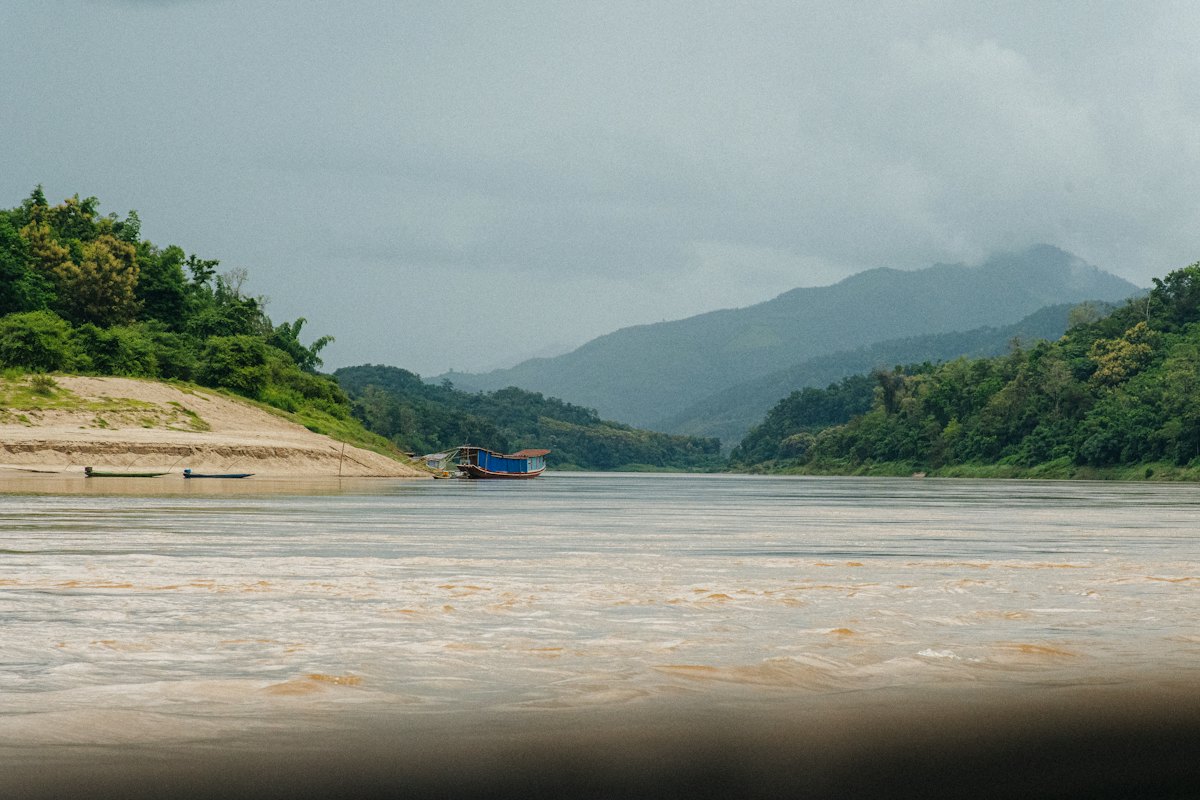
Steam drifts off the river in the early morning at Okuhara, a village of wooden inns and narrow lanes high in the mountains of the eastern prefecture of Tsuragawa, and for a few hours the only sounds are the water and the clatter of shutters going up. By ten o’clock, on most days of the past two years, the lanes would be full. From next month, the village and four neighbouring spring towns will try to keep them that way – full, but not overflowing.
Under a scheme approved by the prefectural council last week, day visitors to the five towns along the upper Kirise valley will need to book a timed slot in advance. Each town will set a daily ceiling: Okuhara’s will be 2,400 people, roughly half its peak-day figure last autumn. Overnight guests at registered inns are exempt, as are residents and people who work in the valley.
A booking will cost the equivalent of a few pounds, with the money going into a fund for maintaining the public baths, footpaths and the stone channels that carry hot water from the springs to the bathhouses.
A fragile source
The valley’s springs have been used for at least eight centuries, and the water that feeds them is not inexhaustible. Hydrologists at the prefectural research station have been monitoring flow rates and temperatures at the main sources since the 1970s. Their data shows that the temperature at the largest spring, which feeds three public baths in Okuhara, has fallen by about two degrees in the past decade, while the volume reaching the surface has dropped by almost a fifth.
Some of that decline is attributed to new wells drilled to supply hotels further down the valley. But researchers also point to the sheer number of baths being drained and refilled each day to cope with demand, and to the cleaning chemicals used in the busiest facilities, which have begun to show up in samples taken downstream.
“The springs are not a theme park. They are a living system, and we have been taking from it faster than it gives. A cap on visitors is not the whole answer, but without it nothing else we do will work,” said Haruto Senbara, the head of the valley’s joint spring conservation board.
Mr Senbara, whose family has run an inn in the neighbouring town of Kamiyose for four generations, said the board had considered raising bathing fees sharply instead, but concluded that would simply price out local families and older visitors while doing little to reduce crowding on weekends.
Residents at the end of their patience
For many people who live in the valley, the strain has been as much social as environmental. Okuhara has a permanent population of about 1,100. On peak days last year, the village counted more than 5,000 visitors, most arriving by coach between ten in the morning and three in the afternoon. Residents describe queuing for the single grocery shop, being photographed in their own gardens, and finding the one road out of the village blocked by parked vehicles.
Chiyo Nakabara, a retired teacher who has lived in Okuhara all her life, said she had stopped walking to the river in the afternoons. “I used to know everyone I passed. Now I don’t know anyone, and they don’t know the village is a place where people live,” she said. A petition calling for limits gathered signatures from more than seventy per cent of the village’s adult residents.
Not everyone is convinced. Some shop owners and coach operators argue the cap will hit small businesses that depend on day trippers, especially in winter. The regional tourism association has warned that visitors may simply move to unregulated towns further along the mountain road, shifting the problem rather than solving it.
How the scheme will work
Bookings open online and at the railway station in the valley town of Shimokiri, with slots released up to thirty days ahead. Visitors without a booking will be turned away at checkpoints on the two access roads, though officials say a small number of same-day slots will be held back for those who arrive by public transport.
The scheme will run as a two-year trial, with the prefectural council committed to reviewing spring temperatures, flow rates and resident surveys after the first twelve months. Officials say other spring towns across the region have already asked for copies of the plan. Whether it becomes a model or a warning will depend, in large part, on whether the water warms up again.