





We traced the owners of every flat sold in the old town this year.
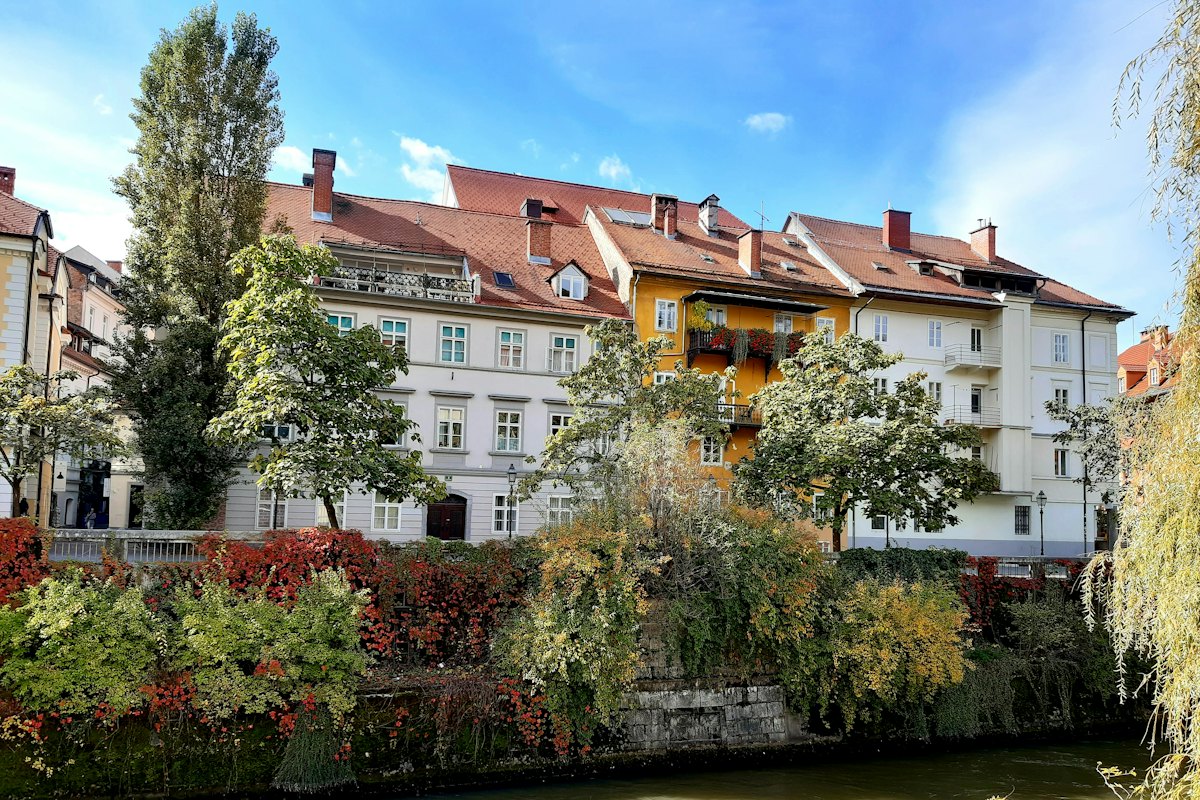
Between January and the end of September, 186 flats changed hands in Calder’s old town – the tangle of streets between the cathedral, the canal and the castle mound that has become the most expensive square kilometre in the region. Over the past three months, this newspaper has tried to find out who bought every one of them.
We started with the land registry, which records the buyer’s name and the price paid. Where the buyer was a company, we searched company filings to identify its directors and shareholders, and where those were other companies, we followed the chain. We cross-checked addresses against the city’s register of short-term holiday lets and its council tax records, and we knocked on more than a hundred doors.
What we found
Of the 186 flats, only 61 – about one in three – were bought by people who now live in them as their main home. A further 34 were bought by individuals as second homes or investments, 29 of them by buyers whose registered address is outside the region. The remaining 91 were bought by companies.
Those company purchases are where the picture becomes harder to see. We were able to identify the ultimate owners of 67 of the 91 company-owned flats. Twenty-three belonged to three property firms that specialise in serviced apartments, and 19 to a single investment fund that has been buying across the old town since last year. The rest were held by a mix of small landlords who have set up companies for tax reasons and a handful of overseas holding firms.
For 24 flats, we could not establish who ultimately owned them. Their buyers were companies registered in offshore jurisdictions that do not publish details of shareholders, and our requests for information went unanswered.
“Every flat that becomes a holiday let or sits empty is one less home for someone who works here. When a third of sales go to people who live in the flat, you are no longer talking about a neighbourhood. You are talking about an asset class,” said Jonah Wieczorek-Tan, a housing researcher at the University of Calder who reviewed our findings.
Mr Wieczorek-Tan said the proportion of owner-occupier purchases in the old town was about half the city-wide average, and the lowest of any neighbourhood he had studied.
Empty and part-time
We also tried to establish how the flats are being used. Of the 125 bought by companies or as investments, at least 58 now appear on short-term letting platforms. Council tax records indicate a further 21 are registered as second homes. Around 30 appear to be let to long-term tenants, and the remainder – at least a dozen – appear to be empty, with no tenancy, no listing and no response at the door on repeated visits.
On Weaver’s Close, a narrow lane off the cathedral square, we found that eleven of the fourteen flats sold this year were owned by companies. Bernadette Quayle, who has lived on the close for thirty years, said she now knew the names of only two neighbours. “On a Tuesday in February, there are lights in maybe three windows,” she said. “On a Saturday in August, there are suitcases rattling past at midnight.”
Prices have risen accordingly. The average price paid for an old-town flat this year was £318,000, compared with £212,000 five years ago, and more than eleven times the median household income in the city.
The response
City Hall introduced a licensing scheme for short-term lets last year and says it has refused 40 applications in the old town. But the scheme does not apply to properties let for more than thirty nights a year to the same guest, a loophole that several of the serviced-apartment firms appear to use. A spokesperson said the council was “reviewing the effectiveness” of the rules and would publish proposals in the new year.
The investment fund that owns 19 flats said in a statement that it provided “high-quality, professionally managed accommodation” and was “a long-term investor in the city”. Two of the serviced-apartment firms declined to comment; the third did not respond.
Members of the Assembly from three parties said our findings strengthened the case for a register of beneficial ownership for property companies, and for giving councils the power to charge higher rates on homes left empty. Those proposals are expected to be debated in the spring – by which time, if this year’s pattern holds, another hundred or so old-town flats will have been sold.