Old warehouses are filling up as the towpaths get a second life.
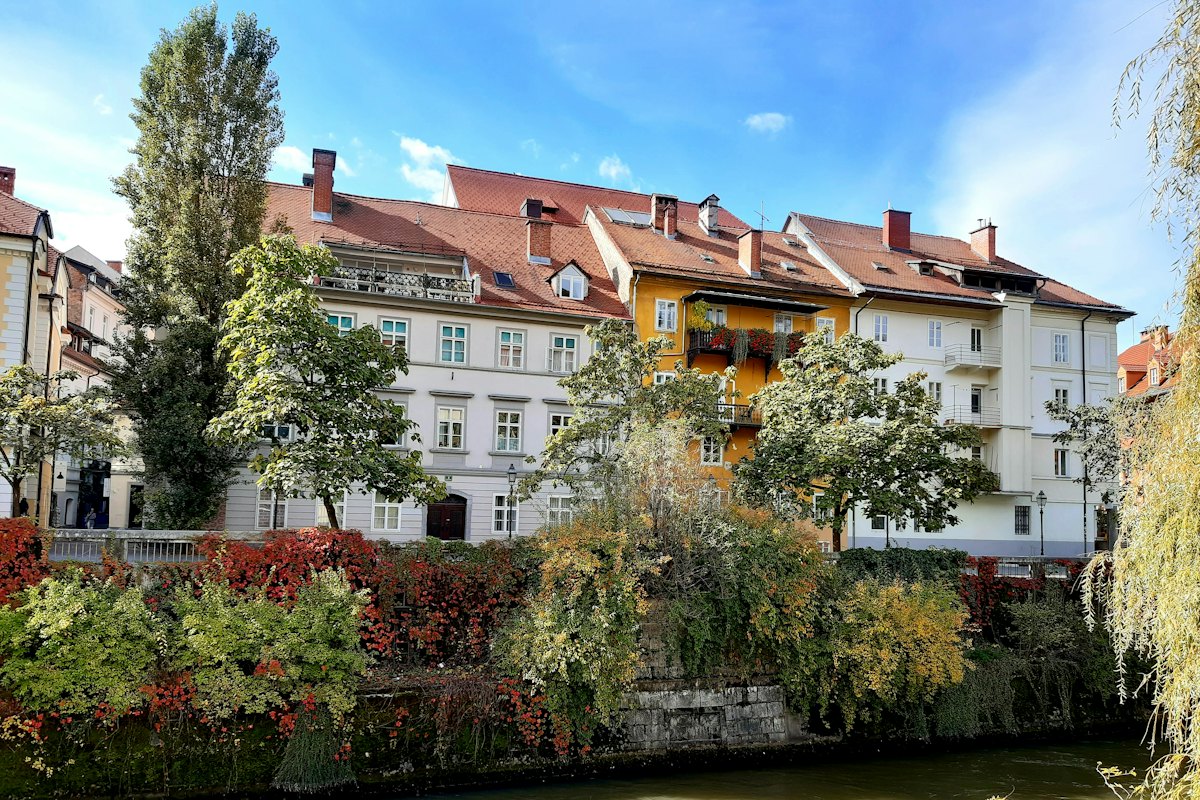
Ten years ago, the stretch of the Calder canal between the old gasworks and Mill Lock was the kind of place estate agents left out of the photographs. The towpath was fenced off in places, the water was choked with weed, and the red-brick warehouses that line the bank stood empty behind steel shutters. Today, the same warehouses have window boxes, and the towpath at eight in the morning is busy with cyclists, dog walkers and parents pushing buggies towards the primary school on Lock Street.
Figures from City Hall show that 1,140 homes have been created in former industrial buildings along the canal corridor in the past six years, most of them flats in converted warehouses and mills. A further 680 are under construction or have planning permission. Average sale prices for canal-side flats have risen by 38 per cent over the same period, compared with 19 per cent across the city as a whole.
The towpath came first
Planners and residents agree that the turning point was not a housing scheme but a path. In the early 2020s, the canal trust and the city council spent £7.2 million resurfacing four miles of towpath, adding lighting, removing fences and creating a continuous walking and cycling route from the old town to the edge of the valley. Rubbish was cleared, the water was dredged and two locks were restored to working order.
The result was a corridor that people actually wanted to use. Footfall counters on the towpath recorded around 900 journeys a day before the works; last month, the daily average was 6,300. Cafés and workshops opened in the arches beneath the railway viaduct, and a weekend market now runs in the yard of the former bonded warehouse.
“We bought here because the towpath was our commute,” said Esther Lindgren, a graphic designer who moved into a converted grain store near Mill Lock three years ago with her partner and their daughter. “It is twenty minutes on a bike to the city centre without going near a road. Our friends thought we were mad. Now three of them live on this stretch.”
Who gets to live there
The transformation has not pleased everyone. Several of the earliest conversions were marketed as upmarket loft apartments, and some long-standing residents of the terraced streets behind the canal say they feel priced out of an area they lived in when nobody else wanted to.
The Canalside Residents’ Association, which represents tenants in the older council and housing association blocks near the gasworks, has pushed for a larger share of affordable homes in new schemes. City planning policy requires 25 per cent affordable housing on sites of more than 15 homes, but developers have argued that the cost of converting listed warehouses makes that figure unviable, and several schemes were approved with lower proportions.
Councillor Leonie Achebe, the cabinet member for housing, said the council had tightened its approach. “The first wave of conversions taught us some lessons,” she said. “We now commission our own viability assessments rather than taking the developer’s word for it. The next two big sites on the canal will both deliver at least a quarter of their homes at social or affordable rent.”
What comes next for the corridor
The biggest test will be the former Ardle Dye Works, a sprawling site of seven buildings at the eastern end of the canal that has been derelict since the 1990s. A housing association and a private developer are working together on plans for around 420 homes, a health centre and a small park, and a planning application is expected early next year.
There are also practical questions. Flood risk along the canal is low compared with the river, but some ground-floor flats have been required to raise floor levels or install flood barriers. The canal trust, which maintains the waterway, says the increase in use has brought more wear and tear, and it wants new developments to contribute to towpath upkeep through a service charge.
On a weekday afternoon, the stretch near Mill Lock has the slightly unreal calm of a place that has recently been discovered. A narrowboat inches through the lock while a group of teenagers watch from the bridge. A man is painting a fresh coat of black onto a warehouse door. Asked whether he lives there, he shakes his head and points along the bank. “I grew up just there,” he says. “We weren’t allowed to come down here. Now my mum walks the dog here every day.”