
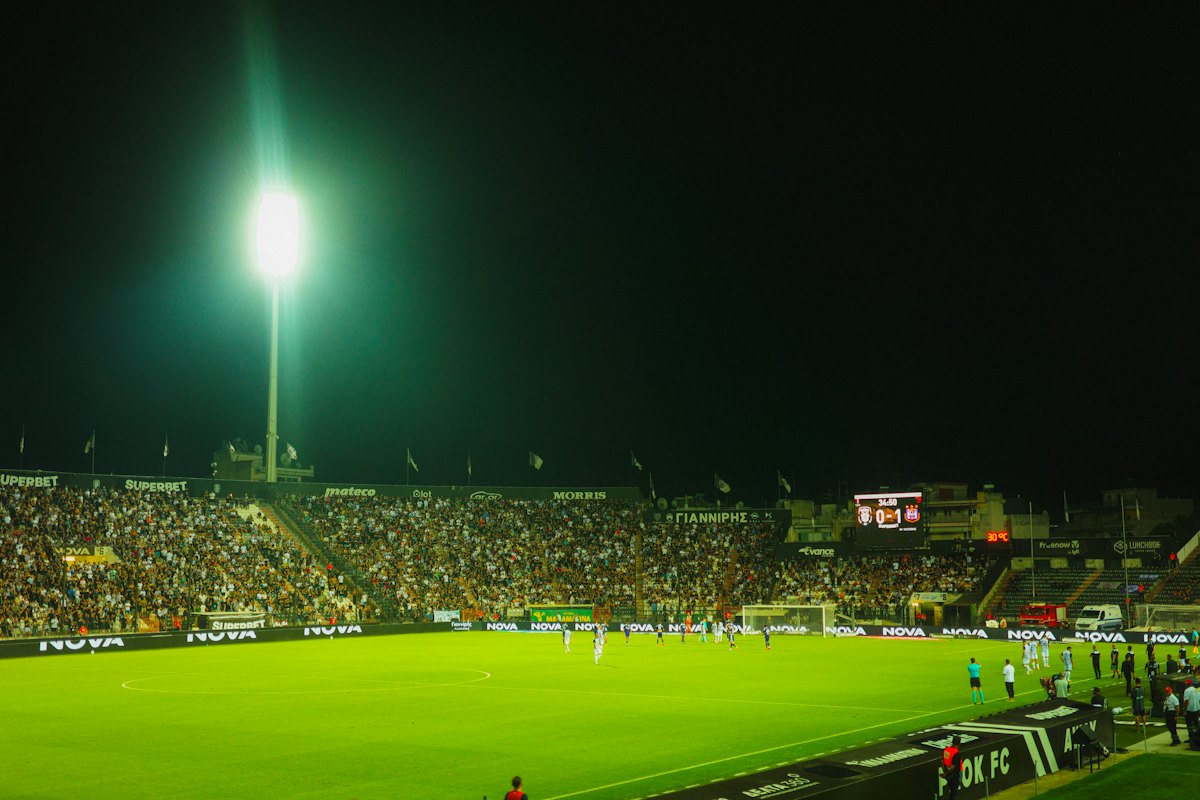
Average crowds have tripled in two seasons.
Two seasons ago, Calder United Women played their home games at the club’s training ground on the edge of the canal, in front of a single covered stand and an average of 640 spectators. On Sunday, when they host Port Selwyn in the regional league, every one of the 2,100 tickets at the redeveloped Ardle Road ground was gone within four days of going on sale. It was the ninth sell-out of the season.
Across the league, the story is the same. Average attendance has risen from 710 in the season before last to 2,280 this autumn, according to figures compiled by the league office – more than a threefold increase in two years. Five of the twelve clubs have moved to bigger grounds or added temporary seating, and two now share stadiums with their men’s sides on alternate weekends.
So what changed? Talk to players, coaches, club officials and the fans in the queue for the turnstiles and you hear several answers. None of them, on its own, explains the boom. Together, they amount to a small revolution in how football is watched in the region.
The fixture move that started it
The most mundane explanation may be the most important. Before last season, the league moved most fixtures from Sunday mornings, when they clashed with junior football, to 2pm and 4pm kick-offs. Families who had spent the morning on the touchline watching their own children could now go and watch the professionals in the afternoon.
“We noticed it within weeks,” said Fiona Achterberg, Calder United Women’s general manager. “Suddenly the crowd was full of under-tens in their own club shirts, still muddy from their own games. Those children then drag their parents back the following fortnight. That is how you build a crowd.” Ticket pricing helped too. Calder United charge £8 for adults and £2 for under-16s, and season tickets for the full home programme cost £60. The league has agreed that no club will charge more than £12 for an adult ticket until at least the end of next season.
A team worth watching
The football has improved as well. Last season Calder United won the league on goal difference on the final day, beating Harrow Athletic 3–2 with a stoppage-time header from their captain, Leah Dunmore, in front of a crowd of 1,900. The clip was shared widely online, and the club’s social media following doubled in a week.
“I remember looking up after the goal and seeing people I had never seen at a game before, hugging strangers,” Dunmore said. “Two years ago we knew most of our crowd by name. Now I get stopped in the supermarket in the old town. It is lovely and a bit terrifying.”
Dunmore, 27, combines football with a part-time job as a physiotherapy assistant, as do most of her team-mates. The league is semi-professional, and the average player earns well under what a full-time wage would be. Clubs say rising gate receipts have allowed them to increase match fees and cover travel costs that players used to pay themselves, but full-time contracts remain some way off.
Can it last?
There are reasons for caution. Some of the growth has come from novelty, and novelty fades. Ground capacity is now a hard limit for several clubs, and building more seats costs money the league’s smaller sides do not have. The two clubs sharing stadiums with men’s teams have complained of last-minute fixture changes when the men’s schedule shifts for cup matches.
There is also the question of who is in the stands. Surveys carried out by the league suggest that about 40 per cent of spectators are attending their first live football in any form – a striking figure, and one that reflects a crowd that is younger, more female and more likely to arrive by bus than the traditional match-day audience. Keeping those fans when the team has a bad season will be the real test.
Calder United have a plan for that. The club is converting a disused warehouse beside the canal into a training base with a 3,500-capacity show pitch, due to open in two years. Achterberg said the money had come partly from the men’s club and partly from a community share issue that raised £410,000 in six weeks, much of it in sums of under £100. On Sunday, though, nobody will be thinking about two years’ time. Port Selwyn are a point behind in second place, and the touts – a phenomenon unheard of at women’s games here until this season – were already offering tickets online on Tuesday for four times their face value.