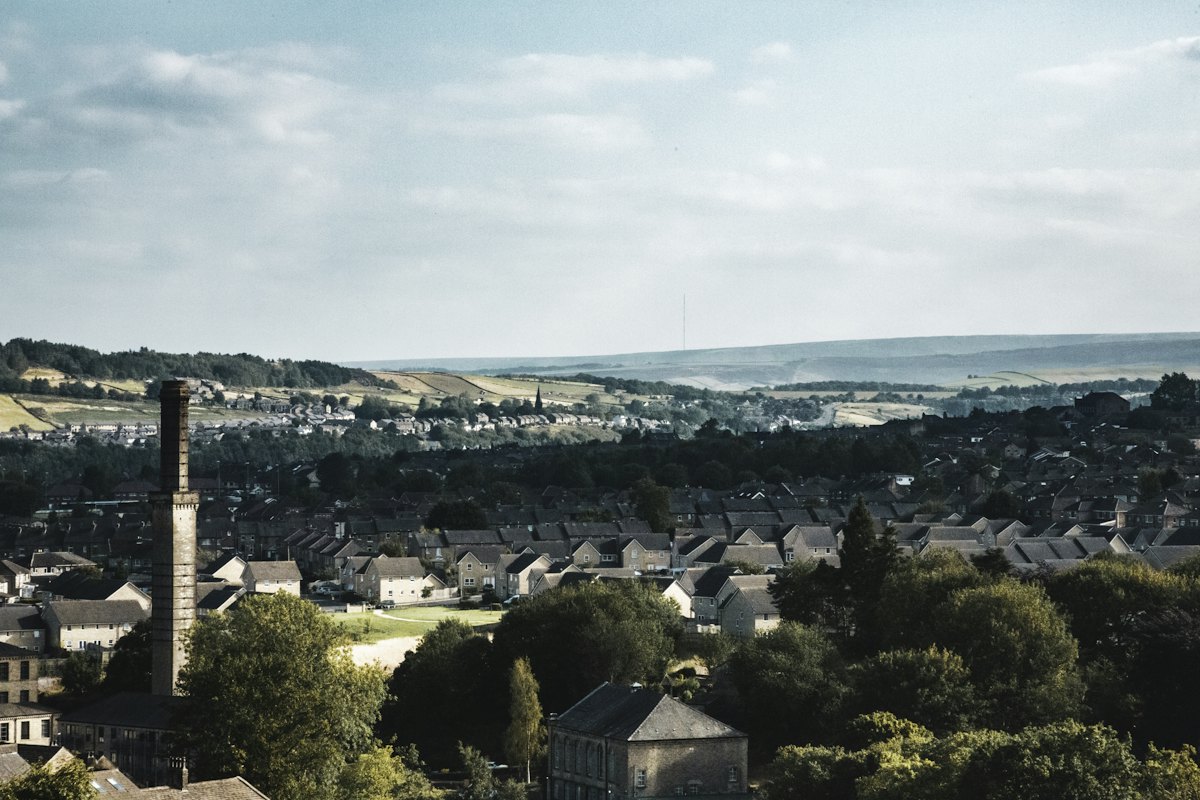
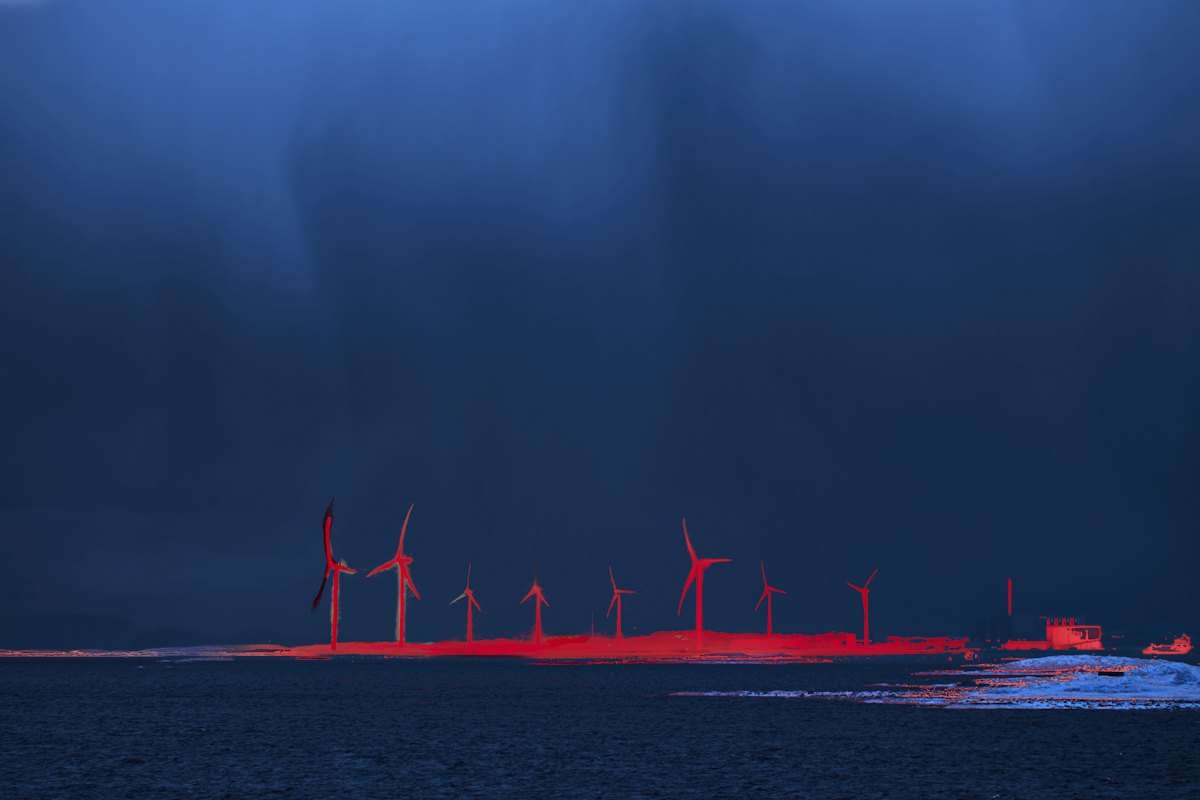
Engineers on a converter platform forty miles out keep the lights on ashore.
The helicopter lands at 6.40pm, the last light already gone from the sky, and the five people who step down onto the deck of the Ardle Bank converter station are greeted by wind, salt spray and the deep, constant hum of electricity being turned from one form into another. Forty miles out from the headland, this steel box the size of a cathedral, perched on four legs above the sea, gathers the output of 112 wind turbines and sends it ashore through a single cable buried in the seabed. If it stops, around 600,000 homes in Calder, Selwyn and the valley lose a large share of their power.
For the next twelve hours, the night shift will keep it running. Tonight that means Fenella Quarrie, the shift supervisor, two electrical technicians, a mechanical engineer and a medic who also doubles as the platform’s fire officer.
Inside the hum
The heart of the platform is a set of halls filled with valves – stacks of semiconductor modules, each taller than a person, that convert the alternating current produced by the turbines into direct current, which loses less energy over long distances. They are kept cool by deionised water pumped through pipes, and they are never touched while live. The engineers spend their nights watching them through screens in a control room on the upper deck, listening to alarms that sound several times an hour, most of them trivial.
Quarrie, who started her career on fishing trawlers before retraining as an electrical engineer, has worked offshore for fourteen years. She describes the job as long stretches of watchfulness interrupted by short bursts of intense concentration. A fault on a cooling pump, a drop in pressure in a gas-insulated switch, a turbine that trips offline in a gust: any of them can require a decision within minutes.
“Nobody ashore thinks about us, and that is how it should be. If the kettle boils in Calder, we have done our job. The nights people notice are the ones when we haven’t.”
Quarrie said it while sipping coffee in the galley at 2am, the windows black. She keeps a log of every night shift in a notebook as well as in the official system, a habit from her trawler days.
Weather, isolation and routine
Crews work two weeks on and three weeks off, living in small cabins on the accommodation deck. When the wind rises above 40 knots, helicopters cannot land, and shifts can be extended by days. Last February a storm kept one crew on the platform for nineteen days. There is a small gym, a games console, satellite internet that drops out in heavy rain, and a cook who works days and leaves the night shift a tray of sandwiches and a pot of soup.
Inspections continue around the clock. At 3.15am, the technician Arjun Velasco climbs down to the cable deck with a thermal camera to check the terminations where the export cable rises from the seabed. A loose connection there, he explains, would show as a bright spot long before it failed. Tonight everything shows a reassuring, even orange.
Towards dawn
The busiest hours are often between four and six, when demand ashore starts to climb and the grid operator in Calder asks the platform to adjust its output. Wind farms used to be told simply to generate as much as they could. Now converter stations like Ardle Bank help stabilise the frequency of the whole regional grid, responding to instructions within seconds.
By 6am the sky in the east is lightening behind the turbines, rows of white towers stretching towards the horizon. The day shift arrives on the 7.10 helicopter. Quarrie hands over the log, notes two minor faults for follow-up and walks out onto the deck for a minute before heading to her cabin. Ashore, the city is waking up, switching on kettles and lights, with no idea that anyone was awake out here at all.