The weekly shop is still dearer than last year, but the gap is closing.
Food prices in Calder and the surrounding region rose by 4.1 per cent in the year to October, down from 4.6 per cent in September and 5.3 per cent in August, according to figures published on Wednesday by the regional statistics office. It is the second consecutive month in which the rate has fallen, and the lowest reading since the start of last year.
The slowdown does not mean prices are coming down. A typical weekly shop for a family of four, measured using the office’s basket of 120 everyday items, now costs £118.40, compared with £113.70 a year ago. What has changed is the pace: prices are rising more slowly than they were in the summer, and in some categories they have begun to fall.
Where the shop is getting cheaper
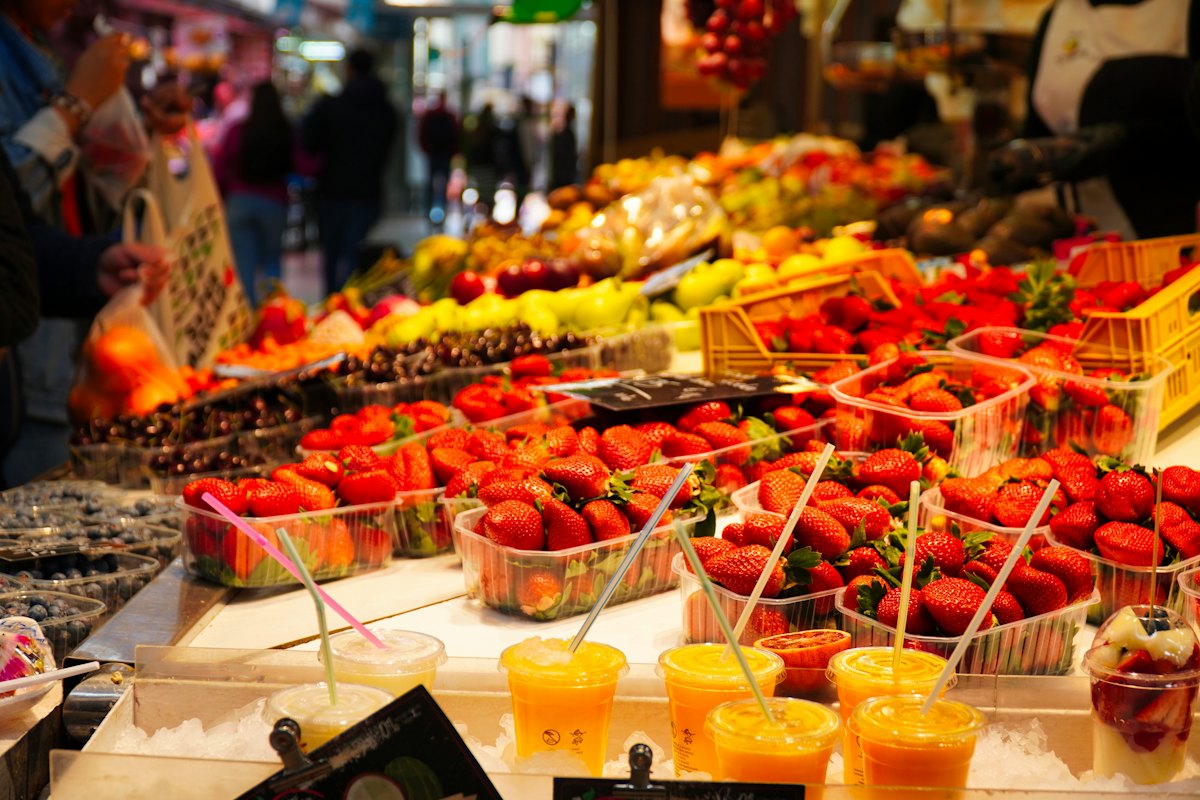
The biggest relief has come from fresh produce. Vegetable prices fell 1.8 per cent over the month as a strong harvest in the valley farms coincided with lower transport costs. Milk and butter were also cheaper, helped by a fall in feed prices for dairy herds on Harrow Moor. Eggs, which surged last winter after a disease outbreak forced flocks to be cleared, are now 9 per cent cheaper than at their peak.
- Fresh vegetables: down 1.8% on the month
- Butter and cheese: down 0.9%
- Bread and cereals: up 0.4%
- Chocolate and confectionery: up 2.7%
- Coffee: up 3.1%
Not everything is following the same path. Chocolate and coffee continue to climb because of poor crops abroad, and the cost of bread has edged up as bakeries pass on higher wage and energy bills. Meat prices were broadly flat.
“Shoppers will not feel this as good news for a while. The prices on the shelf are still higher than they remember, and wages have only just started catching up,” said Dr Priya Halloran, an economist at the University of Calder who studies household budgets.
Halloran said the figures suggested that the worst of the food price surge was over, but warned against expecting a return to the levels of three years ago. “Prices very rarely fall back across the board,” she said. “What usually happens is that they stop rising and incomes slowly overtake them.”
Supermarkets and the price war question
The region’s large grocers have been quick to claim credit. Two of the biggest chains announced price cuts on several hundred lines in the past fortnight, and a third has extended its loyalty-card discounts to fresh fruit. Industry insiders say the cuts are partly a response to the rapid expansion of discount stores, which have opened six branches in Calder and Ardle in the past eighteen months.
Smaller retailers are more cautious. Danny Okoro, who runs a convenience shop on Canal Street and chairs the city’s independent traders’ association, said his wholesale costs had not yet fallen in line with the headline figures. “The big chains can buy at scale and cut prices on milk and bananas to bring people through the door,” he said. “We pay the wholesaler what the wholesaler charges. My margins on fresh food are thinner than they were before all this started.”
Food banks report that demand remains high. The Calder Food Partnership, which supplies eleven food banks across the city, said it had handed out 8 per cent more parcels between July and September than in the same period last year, even as inflation eased. Its coordinator said many families had used savings or credit to get through the worst months and were only now feeling the strain.
What comes next
Forecasters expect food inflation to continue easing through the winter, possibly falling below 3 per cent by the spring if energy prices stay stable. The main risks, economists say, are a cold snap that pushes up heating costs for greenhouses and processors, and any further increase in the cost of imported goods.
The next figures, covering November, are due in four weeks’ time and will include the first effects of the supermarkets’ autumn price cuts. For now, the message from the statistics office is a modest one: the weekly shop is still dearer than last year, but the gap is closing month by month.