We tracked one stall’s receipts for a year, and the story they tell is not the one in the official figures.
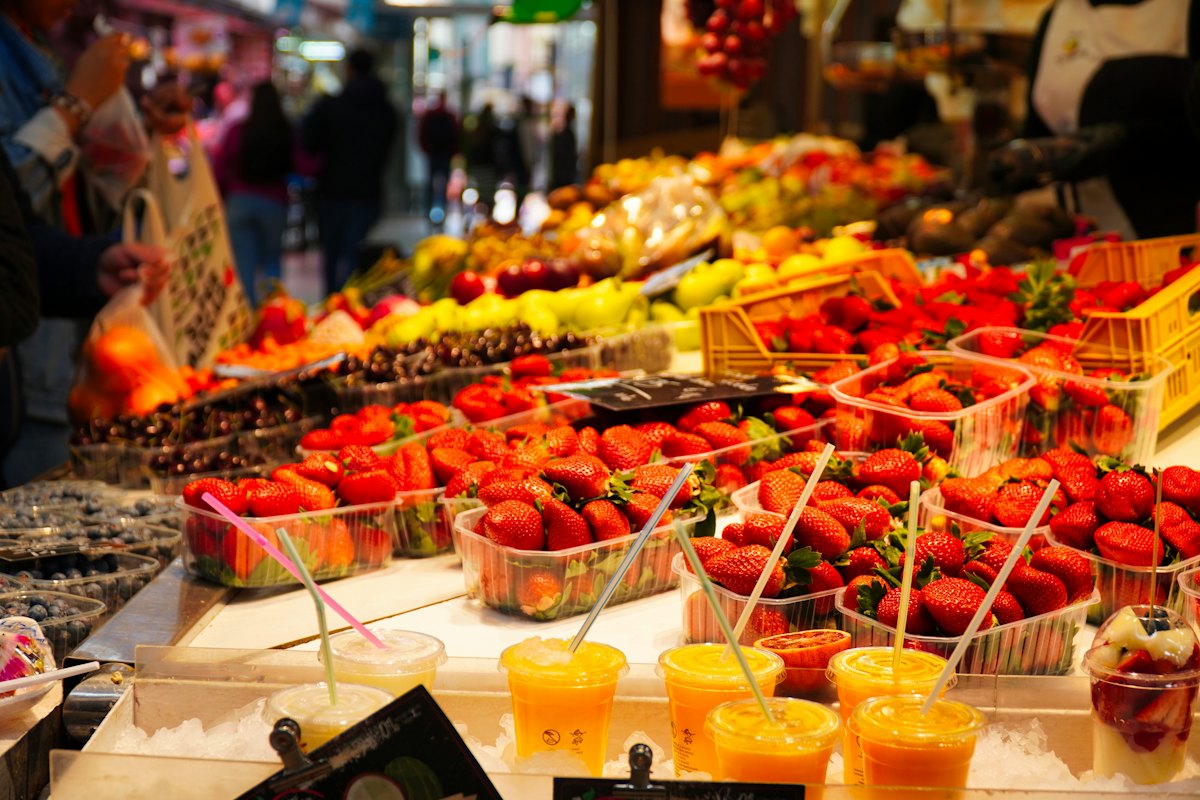
At 5.45 on a Saturday morning in late October, Margaret Ellery is unloading crates of carrots, leeks and onions from the back of a van in the old town market square. It is the fifty-second Saturday in a row that we have watched her do it. For a year, with her permission, we have photographed and logged every wholesale invoice, every cash and card receipt and every price label on her vegetable stall – some 31,000 individual transactions.
The aim was simple: to see whether the price changes faced by one small trader and her customers match the official inflation figures that politicians in City Hall and the Assembly cite every month. The answer is that they do not – and the gap reveals something about who is carrying the cost of food in Calder.
The headline numbers
Over the twelve months to October, the official measure of food price inflation for the region was 4.1 per cent. On Ellery’s stall, the average price of the items she sold rose by 9.6 per cent. But her wholesale costs rose by 13.2 per cent. In other words, her customers paid more than the official figures suggest, and she absorbed a large part of the increase herself.
The difference is driven by what she sells. Official figures are weighted towards the goods that supermarkets sell in vast volumes, including processed and packaged foods, where prices rose more slowly this year. Fresh vegetables – especially those grown in the region and affected by the dry summer – rose far faster. Onions were up 31 per cent on the year at wholesale. Leeks were up 22 per cent. Potatoes, after a poor crop in the valley, were up 18 per cent.
Ellery, who has run the stall for twenty-six years after taking it over from her father, kept her prices on several staples below cost for months at a time.
“My regulars are pensioners and young families. If I put the leeks up to what they should be, they buy one instead of three, and then I throw the rest away on Sunday night. So I take it on the chin. I have done that most of this year. You can see it in the books.”
What the receipts show
Her books, which our data team reconciled week by week, show a gross margin that fell from 34 per cent in the first quarter to 21 per cent over the summer. Footfall at the stall was broadly stable. But the average basket changed shape: customers bought fewer items, swapped to cheaper varieties, and shifted from loose produce weighed to order towards pre-bagged “bowls” at a fixed price of £1.50, which Ellery introduced in June because they felt easier to budget for.
Some shifts were seasonal and would happen in any year. Others were not. Card payments rose from 40 per cent of transactions to 58 per cent, as customers spread spending. The share of transactions under £5 rose sharply in the final quarter. And the most telling detail is small: in the last three months, Ellery recorded 74 instances of customers putting items back after hearing the total.
The Calder Market Traders’ Association, which represents the 63 stalls in the old town square, says Ellery’s experience is typical. Its chair, Stanley Okoro, said several fresh produce traders had left the market this year, and others had reduced their opening hours. “The official figures are an average of everything everywhere,” he said. “A market stall is not everywhere. It is the front line.”
Why the official figure differs
Statisticians are clear that no single shop can be representative, and that is a fair point. Official inflation measures sample hundreds of products across thousands of outlets, and they are designed to capture average experience, not that of a single market square. The regional statistics office said in response to our findings that fresh vegetables made up a relatively small share of the overall food basket, and that its own data did show sharply higher prices for that category.
But that is precisely the point. Households that rely on fresh produce rather than packaged food – often older residents and those cooking from scratch to save money – are experiencing a higher rate of inflation than the headline suggests. And the people selling to them are absorbing costs that never appear in any official measure of prices at all. The Assembly’s economy committee is due to take evidence on food costs next month. Ellery has been invited to give it. She says she will bring her receipts – all 31,000 of them – and the van keys, in case anyone wants to try a Saturday.