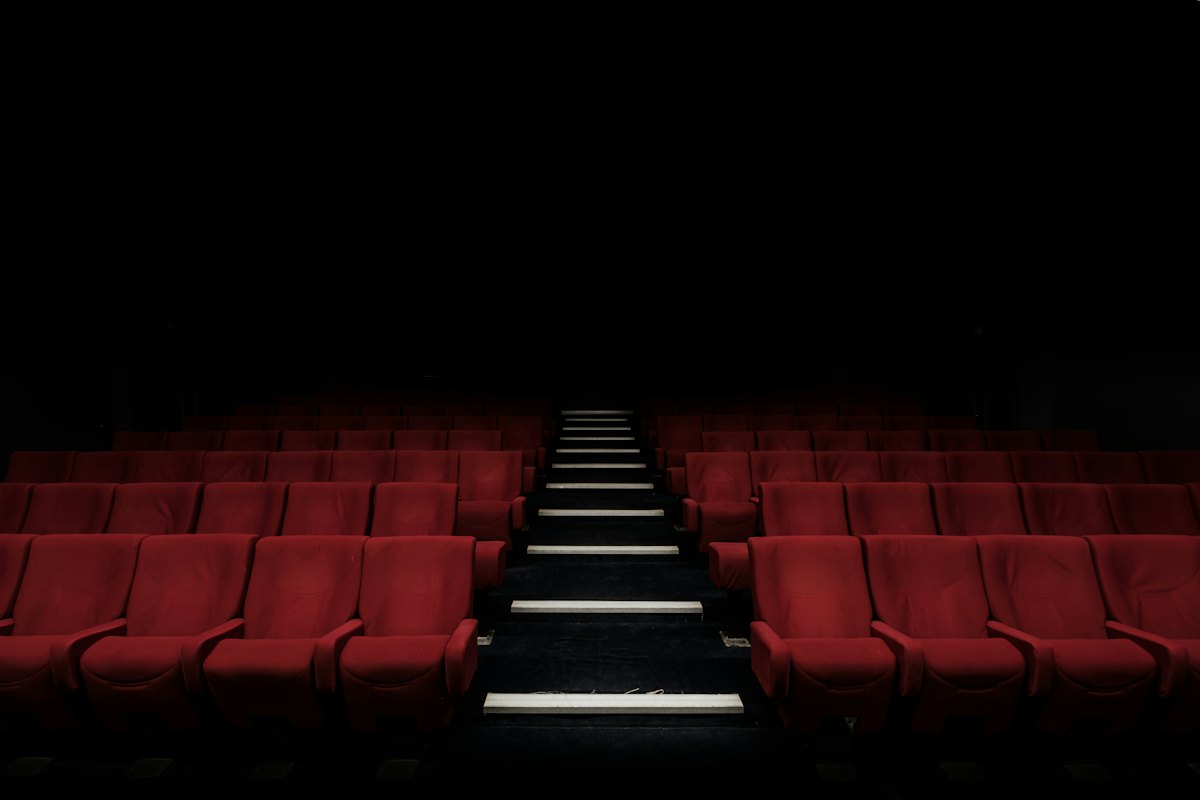
A short film shot entirely between midnight and dawn opens the winter festival.
The first image is of a single streetlamp on the canal bridge, its reflection trembling in black water. For almost a minute nothing else happens. Then a heron lands on the towpath railing, looks directly at the camera and leaves. It is the kind of opening that tells you exactly what sort of film you are about to watch: patient, unhurried, and quietly in love with its subject.
After Dark, a 34-minute short by the Calder-born director Ilse Marwood, will open the Calder Winter Film Festival at the Corn Exchange on Friday 28 November. It was shot over 41 nights last winter, every frame of it between midnight and the first light of dawn, and it contains no narration, no interviews and only a handful of spoken words.
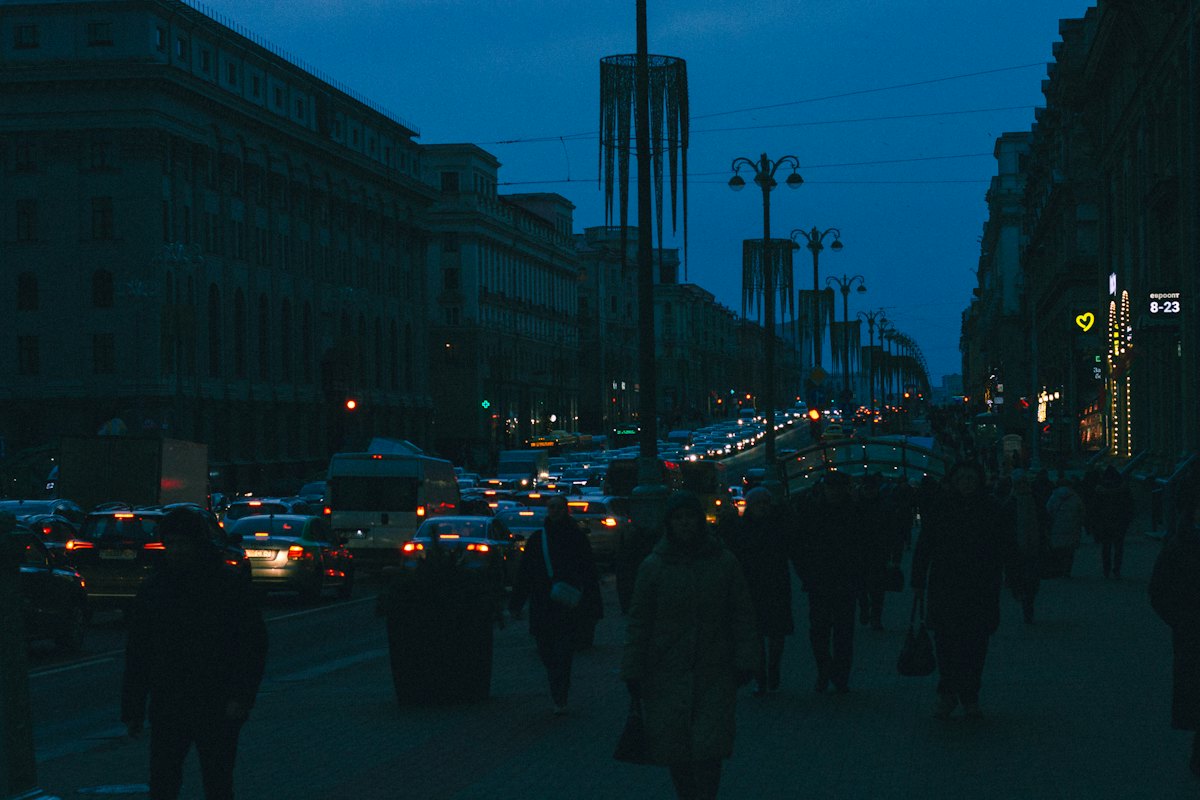
What it offers instead is a portrait of a city most of its residents never see: the old town emptied of crowds, the market square being hosed down at four in the morning, bakers on Weaver Street lit by the glow of their ovens, a night bus crossing the Ardle bridge with a single passenger asleep against the window. It is, as several people at a preview screening this week remarked, Calder at its most beautiful.
Working in the dark
Marwood, who grew up in the terraces above the canal and now lives in the hill village of Harrow Light, said the idea came to her during a long period of insomnia. “I would walk for hours at night and realise the city had a whole second life,” she said. “People working, animals moving, buildings breathing. I wanted to film that without disturbing it.”
The practical challenges were considerable. The crew of four – Marwood, cinematographer Tobias Rennick, sound recordist Saoirse Delahunt and a single runner – worked with a low-light camera and almost no artificial lighting, relying on streetlamps, shop signs, moonlight and the occasional passing car. Rennick said many nights produced nothing usable. “You wait three hours for fog to settle on the river, and it doesn’t,” he said. “Then on the fortieth night it does, and you get the shot of your life.”
“We decided early on that we would never ask anyone to do anything for the camera,” said Tobias Rennick, the film’s cinematographer. “If a night-shift nurse walked past, we filmed her walking past. If she didn’t, we didn’t.”
That restraint gives the film its texture. Its most memorable sequence follows a group of street cleaners working through the old town between two and five in the morning, their orange jackets bright against wet cobbles. There is no commentary on their work, only the rhythm of brooms, a radio playing faintly from a cab, and a brief shared flask of tea on the steps of City Hall as the sky begins to pale.
A soundtrack built from the city
Delahunt’s sound design deserves particular praise. Rather than a conventional score, she has woven together recordings made on location – the hum of the power station on the headland, the clank of rigging in Port Selwyn harbour, rain on the glass roof of the old covered market – into something closer to music. A low cello line, composed by her and played by a member of the Calder Philharmonic, enters only in the final ten minutes, as the first trams leave the depot.
The film is not without its weaknesses. A middle section on the outskirts of the city, filmed around a distribution warehouse, feels less assured than the rest, and the decision to hold certain shots for so long will test the patience of some viewers. But these are small complaints about a work so clearly made with care. Festival director Augustin Pell said the programming team chose After Dark as the opening film because it captured something about the city that a festival in midwinter ought to celebrate. “This is a festival that happens in the dark months,” he said. “It felt right to open with a film that finds the dark beautiful rather than something to escape.”
Where to see it
After Dark will be screened at 7pm on the festival’s opening night, followed by a conversation with Marwood and her crew. A second screening, at 11pm the same evening, has been timed so that audiences can step out of the Corn Exchange into the city the film describes. The festival runs for ten days, with more than sixty films across four venues, and tickets for the late screening went on sale on Monday. Marwood said she hoped people would walk home afterwards rather than take a taxi. “Just once,” she said, “look up.”