Swimming on referral has doubled since May.
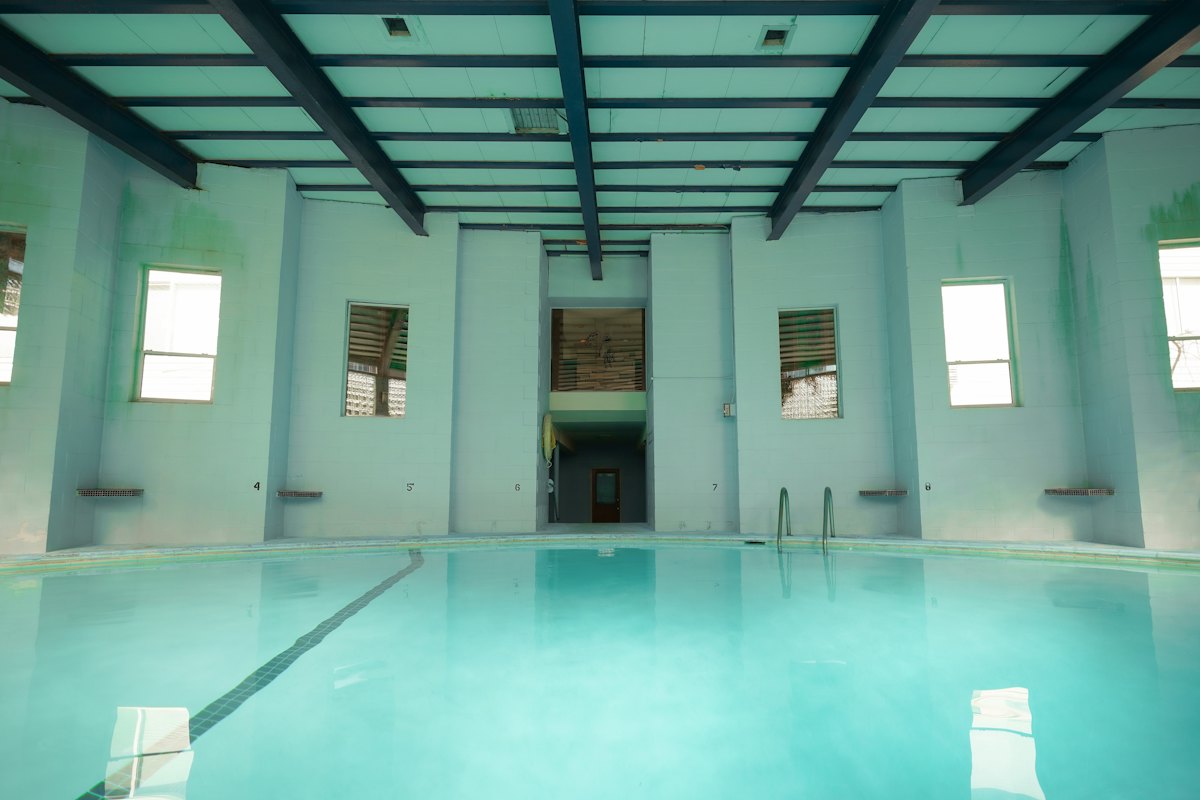
At seven on a Wednesday morning the water at Harrow Lido is fourteen degrees and steaming gently in the cold air. A dozen swimmers move slowly up and down the fifty-metre pool beneath the curved white pavilion, its porthole windows and faded blue railings unchanged since it opened in 1937. Several of them are here, in a sense, on doctor’s orders. They carry a small green card, stamped by their GP surgery, that gives them ten free sessions and an introduction from a lifeguard.
The scheme, known locally as swimming on referral, was launched by three practices in Harrow and the old town in the spring as a modest pilot. Since May the number of patients referred each month has more than doubled, from around ninety to just over two hundred, and the lido has had to set aside two early lanes on weekdays to cope. Four more surgeries in Calder have now asked to join.
A prescription without a pharmacy
Patients are referred for a range of reasons: mild to moderate depression and anxiety, chronic back and joint pain, high blood pressure, weight management and, increasingly, loneliness. Doctors and the practices’ social prescribing link workers decide who might benefit, and the lido’s staff run a short induction covering cold-water safety, how to acclimatise and when not to swim. Anyone with a heart condition needs a separate sign-off.
“I can give someone a tablet for their low mood, and sometimes that is exactly what they need,” said Dr Rosalind Achebe, a GP at the Harrow Road surgery who helped set up the pilot. “But what many of my patients are missing is a reason to leave the house, a bit of routine and a few faces that recognise them. The lido gives them all three, and it costs less than a month of most medications.”
The practices are collecting data on blood pressure, sleep and patient-reported wellbeing before and after the ten sessions. Early figures, which have not yet been independently reviewed, suggest that around two thirds of those referred keep swimming after their free sessions end, and that self-reported anxiety scores fall on average by about a fifth. Achebe is careful not to overstate the results. “It is a small pilot,” she said. “But the people who keep coming back are telling us something.”
Cold water, warm welcome
The lido itself had a precarious decade. It closed for three summers after the pool tank began to leak, and was saved only when a residents’ trust took it over from the council and raised money for repairs. The trust now runs it with a small paid staff and around sixty volunteers, and keeps it open all year, unheated in winter. Its manager, Duncan Ferrier, said the referral scheme had changed the character of the early sessions.
“It used to be the same twenty hardcore swimmers, mostly very fit, slightly smug,” he said, laughing. “Now you get a retired bus driver with a bad hip, a young mum who hasn’t slept in a year, a man recovering from a stroke. And the hardcore lot have been brilliant. They look out for the newcomers, they show them how to get in slowly, they make the tea.”
Patients describe something similar. Glenda Rook, 67, was referred in June after a bereavement left her, in her words, “sitting in the house with the curtains shut”. She now swims four mornings a week and has joined the volunteers who sweep the poolside. “The first time, I cried in the changing room because it was so cold,” she said. “Now I cry if I miss it.”
Who pays
The pilot is funded by a small grant from the local health partnership, which pays the lido around four pounds per referred session. That money runs out in March. The practices and the trust are preparing a case for permanent funding, and say they will need roughly forty thousand pounds a year if all seven surgeries take part. Ferrier said the lido could absorb a little more demand but not indefinitely, particularly in summer, when paying swimmers fill the pool.
For now the green cards keep arriving. On the poolside noticeboard, beside the timetable and a warning about slippery steps, someone has pinned a handwritten note: “Prescribed: one length. Repeat as necessary.”