The first results are more than encouraging.
A year after Calder became the first city in the region to give every secondary school pupil a free hot lunch, the first evaluation of the scheme suggests it has done more than fill stomachs. Attendance is up, afternoon behaviour reports are down, and the proportion of teenagers who say they regularly skip a meal has fallen by almost half.
The study, carried out by researchers at Calder University’s school of public health, followed around 9,500 pupils aged eleven to sixteen across eighteen secondary schools from September last year to the end of the summer term. It compared their results with those of pupils in the same schools in the previous two years, and with a group of schools in neighbouring districts that did not offer universal free meals.
The headline numbers
Among the main findings published on Monday:
- Average attendance rose by 1.6 percentage points, the equivalent of about three extra school days per pupil per year.
- The share of pupils who reported skipping lunch at least twice a week fell from 31 per cent to 17 per cent.
- Recorded behaviour incidents in afternoon lessons fell by 12 per cent, while morning incidents were broadly unchanged.
- Take-up reached 86 per cent, compared with about 60 per cent among eligible pupils under the old means-tested system.
The researchers caution that a single year of data cannot prove cause and effect, and that the comparison schools differ in some ways. But the size and consistency of the improvements, they say, make it unlikely they are a coincidence.
“The thing that surprised us most was not the hunger figure, although that was striking. It was how many teenagers told us that lunch had become the part of the day when they actually sat down with their friends.”
Dr Hana Lucero, who led the study, said the social side of the scheme had been underestimated. Under the means-tested system, pupils on free meals were sometimes identifiable by the way they paid, and many older pupils avoided the canteen altogether. When everyone eats the same meal, she said, the stigma disappears. Some schools also extended lunch from 35 to 45 minutes to cope with the queues, which teachers credited with calmer afternoons.
What is on the plate
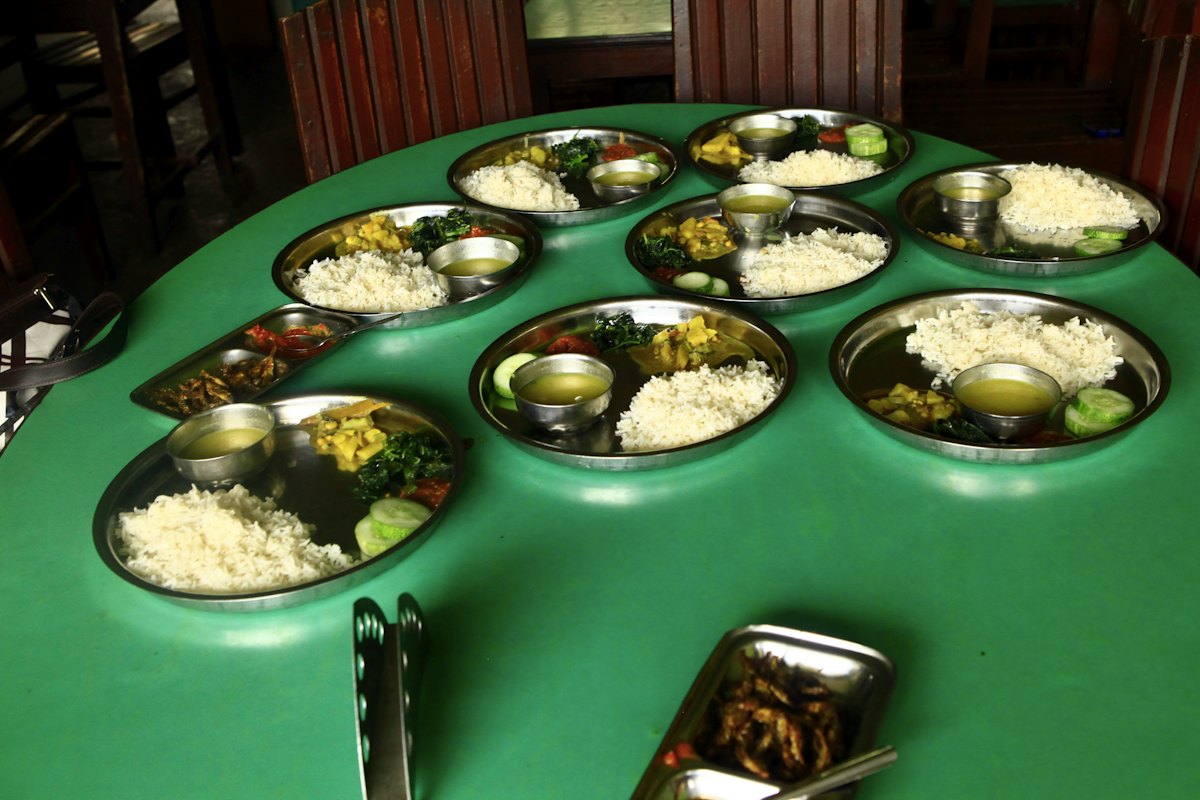
The meals themselves have changed too. A new menu drawn up with school cooks cut the number of days fried food is served from four to one, introduced a vegetable soup on every day of the week and moved most bread production to a central kitchen in the valley that bakes with wholemeal flour. Body weight measurements, taken with parental consent in a sample of 1,200 pupils, showed no significant change over the year, which researchers said was neither a success nor a failure at this stage.
Not every finding was positive. About a third of pupils in the oldest year group said they still preferred to buy food from shops near school, and some head teachers said the scheme had increased pressure on canteen staff without a matching increase in hours. Food waste rose in the first term before falling back as menus were adjusted.
Cost and what comes next
The scheme costs the city about £11.2 million a year, funded from a mix of council tax and a temporary grant from the regional government that ends in two years. Councillor Eleri Dunstan, who chairs the council’s children’s committee, said the evaluation gave the city “a strong case to take to the Assembly” for permanent funding. Opposition members have questioned whether the money would be better targeted at the poorest families.
The research team will continue to follow the same pupils for a further two years, with exam results from next summer expected to give the first indication of whether better attendance translates into better grades.