


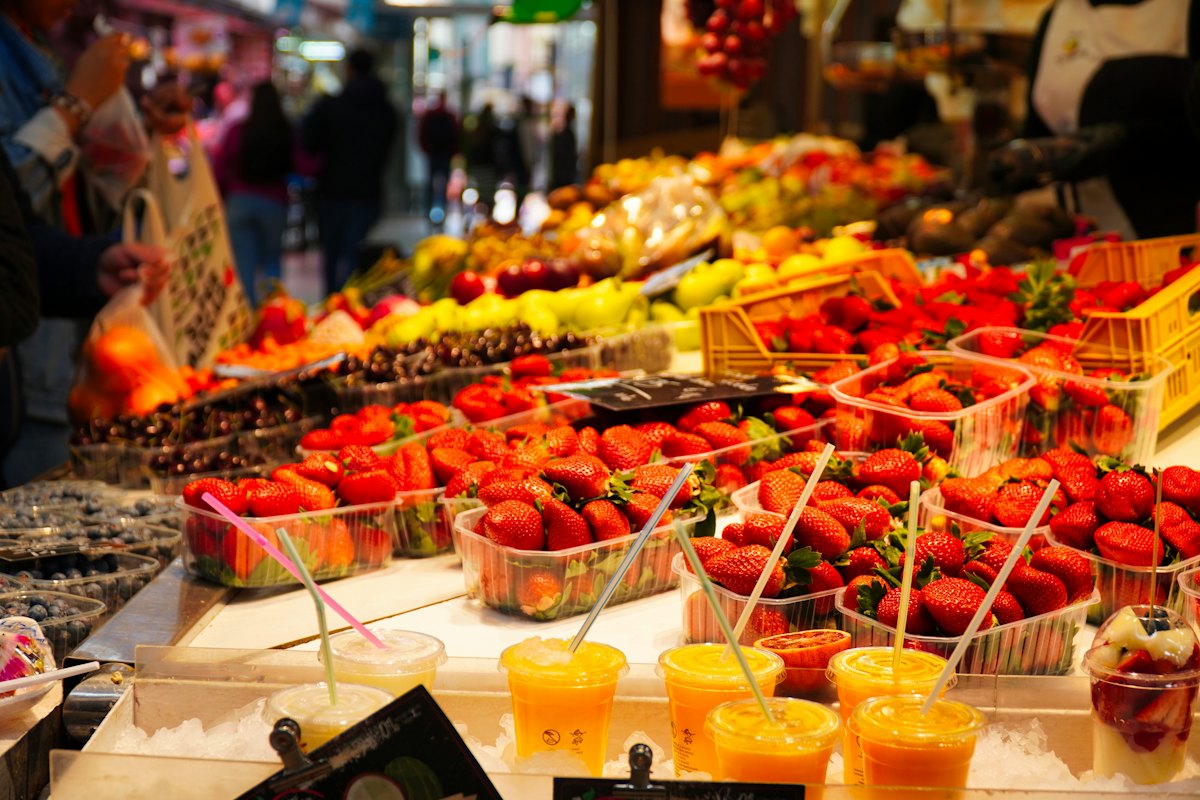
It is the last place in town where strangers still haggle, chat and linger.
I go to the Saturday market in Calder’s old town for apples, and I come home, every week, with something I did not plan to buy and a conversation I did not plan to have. Last week it was a jar of quince jelly and ten minutes with a retired lock-keeper about the best way to sharpen a kitchen knife. The week before it was a second-hand atlas and an argument, entirely good-natured, about whether the cheese man’s Harrow Blue had been better last year. I would not swap those mornings for any amount of convenience.
My argument is simple. The Saturday market is not a quaint hangover from a slower age that we keep alive out of nostalgia. It is one of the few genuinely public places left in the city, where people who would otherwise never meet stand side by side, talk to one another and do business face to face. We should value it, use it and defend it, not as heritage but as infrastructure.
The last place to haggle
Think about how most of us shop now. We tap a screen, a van arrives, a parcel is left on the step. Or we walk through a supermarket in silence, scan our own items and leave without speaking to a soul. There is nothing wrong with efficiency, but something has been lost. The market on Cornhill is the last place in Calder where you can say, “Would you take three pounds for the lot?” and be met with a grin and a counter-offer rather than a blank look.
Haggling is not really about money. It is a small, playful negotiation between equals, and it requires each side to pay attention to the other. So does asking a grower which potatoes will roast best this week, or listening to a stallholder explain why her eggs are smaller in November. These exchanges build a kind of everyday trust that no loyalty card can replicate.
“Half my regulars don’t really come for the veg,” Nell Garroway, who has run a fruit and vegetable stall on Cornhill for twenty-six years, told me as she weighed out my apples. “They come to tell me about their week. I know whose husband is in hospital and whose grandson just passed his driving test. You don’t get that at the checkout.”
The case against
I know the objections, and some of them are fair. Market prices are not always cheaper. The stalls are exposed to the weather, the opening hours suit retired people better than shift workers, and the cobbles are hard on prams and wheelchairs. City Hall’s own figures show the number of regular traders has fallen from about ninety to just over sixty in the past decade, and some argue that the council should accept the decline and turn Cornhill into a car park or a permanent food hall.
But a market in decline is a market that has been neglected, not one that has failed. Many of those lost traders left because pitch fees rose while the shelters, lighting and toilets were allowed to deteriorate. Where councils elsewhere in the region have invested – in Lantern Hill, for instance, where a modest grant paid for new canopies and a monthly evening market – footfall has risen and young traders have arrived. Price, too, is only part of the equation. A bag of windfall apples from a Harrow orchard may cost a little more than a plastic punnet of imported ones, but the money stays in the valley.
What we should do
If we want the market to survive, we have to do more than say nice things about it. The council should freeze pitch fees for new traders for their first year, repair the shelters before winter and keep the market open later on summer Saturdays. Businesses on Cornhill could stay open to match. And the rest of us should simply turn up, with cash and with time, and resist the urge to rush.
I am not pretending that a Saturday market will heal a divided city. But it is a place where strangers still linger, chat and bargain in the open air, and it costs nothing to enter. In an age that keeps finding new ways to keep us apart, that is worth more than a cheaper bag of apples. See you on Cornhill.