
The crossings are a lifeline, not a line on a spreadsheet.
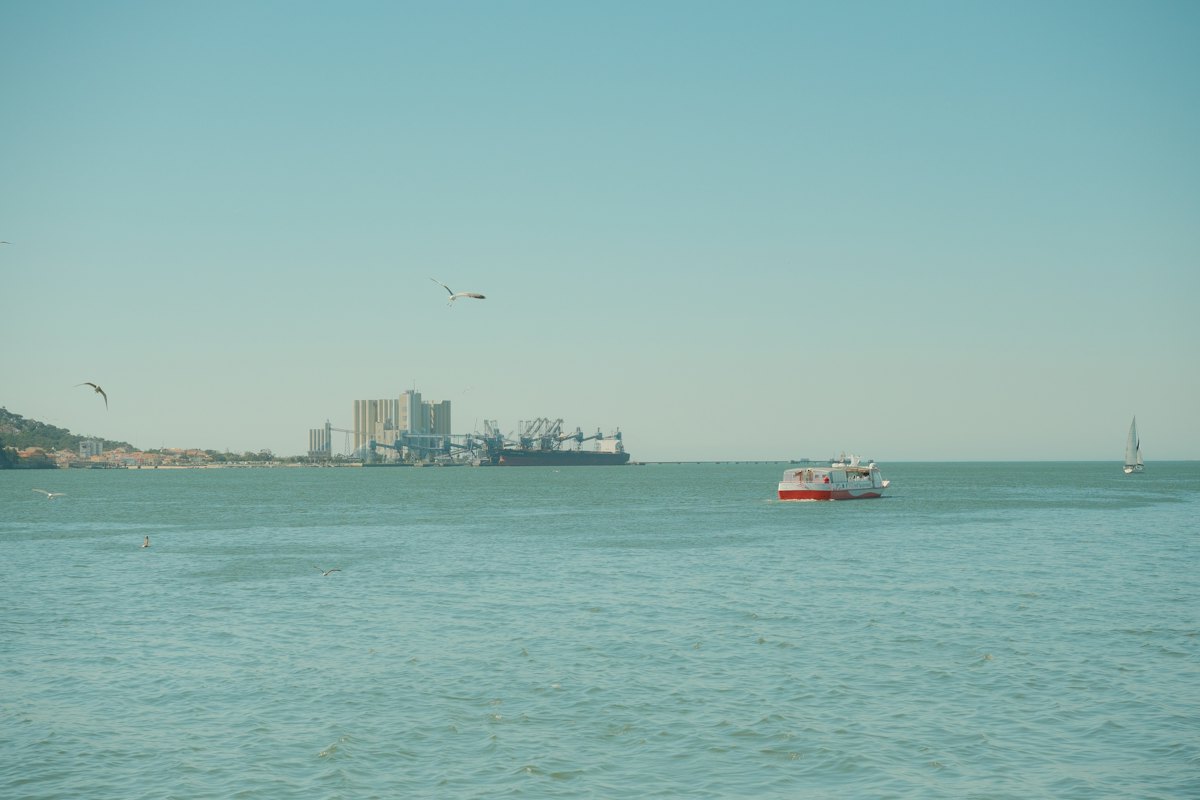
Every morning at a quarter to seven, the first ferry leaves Port Selwyn for the islands across the bay. On board, most days, are nurses heading for the cottage hospital, schoolchildren bound for the mainland academy in the other direction on the return trip, a van carrying the post, a farmer with feed for his flock and a handful of tradespeople with tools in their laps. None of them would describe the crossing as a business opportunity. For them it is simply the road.
This week the Assembly’s transport committee began consulting on a proposal from ministers to transfer the regional ferry service to a private operator under a fifteen-year concession. The plan, ministers say, would cut the public subsidy, currently about £14m a year, by up to a third and bring in fresh investment for new vessels. This newspaper believes it should be rejected.
A lifeline is not a market
The argument for privatisation rests on the idea that competition will drive down costs and improve service. But there is no competition on a ferry route. Whoever wins the concession will hold a monopoly for fifteen years over the only practical link between the islands and the mainland. The discipline of the market, so often invoked, simply does not apply when there is no alternative for passengers to choose.
What a private operator would have instead is an incentive to concentrate on the routes and sailings that pay. The busy summer crossings to the headland would no doubt flourish. The winter evening sailing to the smallest island, which often carries fewer than ten passengers but is the only way home for people who work late on the mainland, would come under pressure. Contracts can specify minimum timetables, of course. But anyone who has watched the long arguments over the region’s privatised bus routes knows how easily minimum standards become maximum ambitions.
The ferries are also part of the region’s emergency planning. When the coast road flooded two winters ago, the public operator added unscheduled sailings within hours, carrying patients, food supplies and engineers. It did so because its masters were accountable to the Assembly, not to shareholders. That flexibility would be harder to secure, and more expensive to buy, from a private company bound by a contract.
The real case for change
None of this means the service is perfect. The fleet is old – the two largest vessels are more than thirty years old – and breakdowns last summer left islanders stranded for days. Fares have risen faster than wages. Islanders complain, with justification, that the booking system is unreliable and that decisions are made in offices in Calder by people who rarely make the crossing.
Ministers are right that investment is needed. But they are wrong to assume that only a private operator can provide it. The public company can borrow for new vessels at lower rates than any private firm, and a long-term capital plan, agreed across parties in the Assembly, would give it the certainty to order ships. The savings promised by privatisation would in any case largely come from cutting the very sailings that matter most to the islands.
Supporters of the proposal argue that a fresh operator would bring new management and fresh ideas. That is a fair point, and one that should be met by reforming the public company rather than handing it away: a board with island representatives on it, published punctuality figures, and a fare cap for residents tied to inflation.
The ferries are not a line on a spreadsheet to be trimmed. They are a public road that happens to float. The Assembly would not sell off the coast road or the Ardle bridge to a concessionaire for fifteen years and hope for the best. It should not do so with the crossings either. The committee should reject the proposal, and ministers should come back instead with a plan to renew the fleet and give islanders a real say in the service they depend on.