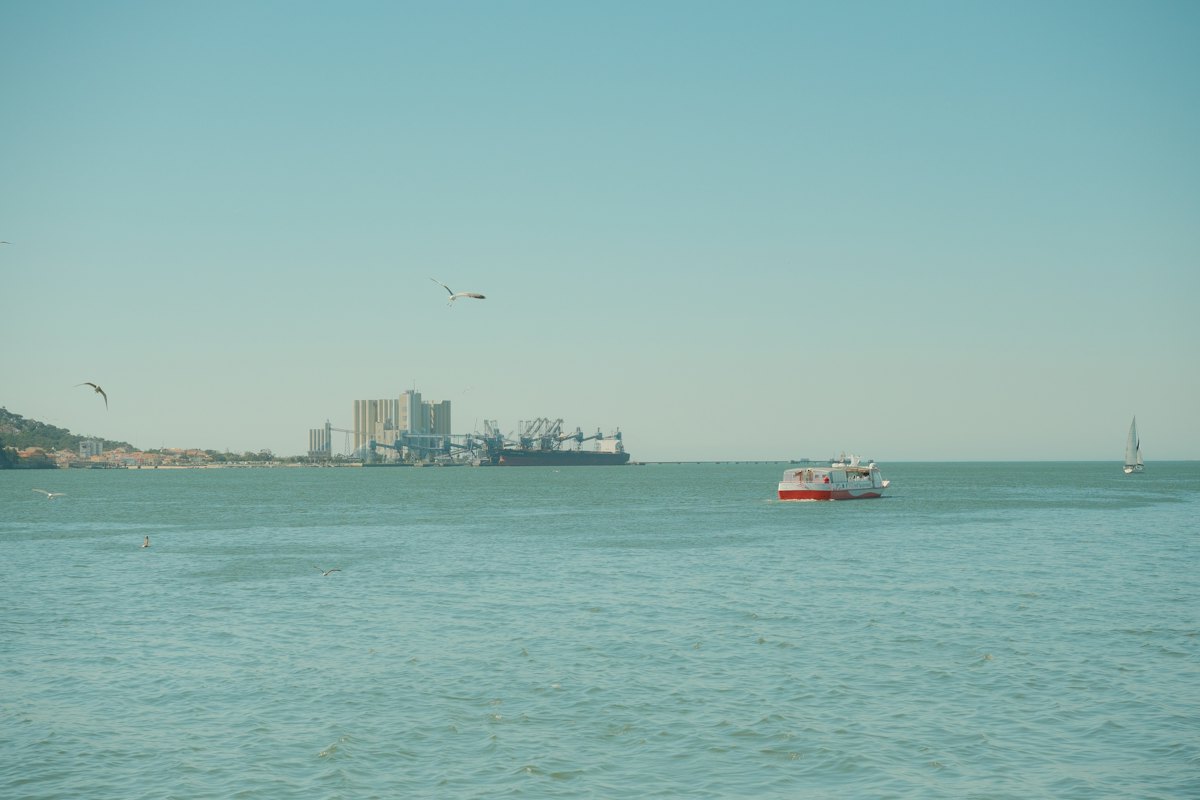

After five years of announcements, the city needs a budget that simply works.
I have covered five Calder budgets, and I can recite their highlights the way other people recite football results. The year of the Harbour Renaissance. The year of the Smart City Strategy. The year the cable car to the headland was announced, costed, re-costed and quietly abandoned. The year the old town was going to become a “creative quarter”. The year of the twelve-point plan, which had fourteen points by the time it reached the Assembly.
Every one of those budgets came with a launch event, a slogan and a set of computer-generated images. Very few of them came with what most residents actually wanted, which is for the bins to be collected on the right day, the potholes on the valley road to be filled before the axles go, and the library on Canal Street to stay open past five o’clock. This year, I would like City Hall to try something radical: a budget nobody photographs.
The cost of announcing things
The argument against grand budgets is not just aesthetic. It is about money and trust. The city’s own audit committee reported last spring that of 23 capital projects announced since the Harbour Renaissance, nine had been delivered on time, seven were delayed by more than two years and seven had been cancelled or “paused” after spending on design and consultants. The paused projects alone cost £11.4 million before they stopped.
Meanwhile, the maintenance backlog on roads, schools and council buildings has grown to an estimated £86 million. A roof that leaks in a primary school is not a story that anyone puts on a poster, but it is the kind of thing that, left alone, becomes much more expensive than any regeneration scheme.
Every big announcement also uses up something that is harder to replace than money: the public’s willingness to believe the next one. When residents are told for five years that transformation is coming, and what they see is a closed swimming pool and a half-built cycle lane, it is hardly surprising that turnout in city elections has fallen below 30 per cent.
What a boring budget would look like
I am not arguing for a budget without ambition. I am arguing for ambition of a different kind: to do the basic things well, every year, so reliably that people stop noticing them. That would mean a multi-year maintenance plan published in full, with every road and building on a schedule. It would mean ring-fencing the libraries and the bus subsidy so they are not cut and restored every other year. It would mean promising fewer new projects, and finishing the ones already started.
Arthur Penhaligon, who spent 31 years in the city treasurer’s office before retiring last year, told me this was not as simple as it sounds.
“The quickest way to lose a budget fight is to ask for money for drains,” he said. “Nobody gets elected on drains. The trick is that the councillors who make the boring promises have to be willing to let someone else take the credit when nothing goes wrong.”
The objection worth answering
There is a serious counter-argument, and I want to give it its due. Cities do need investment that goes beyond maintenance. The harbour would not have its new ferry terminal if someone had not argued for it loudly, and the canal towpaths would not be busy with cyclists and new residents if the city had only ever patched what it already had. A budget that only maintains is, over time, a budget of decline.
I accept that. But the answer is sequence, not abandonment. Fix the foundations first; then invest, one well-chosen project at a time, with honest costings and a published timeline. A city that has spent two years proving it can keep the libraries open and the roads smooth will find it far easier to win support for its next big idea than one that is still apologising for the last.
The finance cabinet member will present the draft budget to the Assembly on the second Tuesday of next month. My hope is modest. I would like the speech to be short, the slides to be spreadsheets, and the headline in this newspaper the following morning to be something like “Council Agrees Sensible Plans”. If that happens, I promise to read every line of it – and to be very, very pleased.