Twenty miles an hour has done more for the high street than any grant.
Two years ago, when City Hall lowered the speed limit on the main streets of Ardle, Harrow and the old town in Calder to twenty miles an hour, the reaction was furious. Petitions circulated. Letters to this newspaper described the change as an attack on drivers, a gift to speed cameras and the final nail in the coffin of the high street. I understood the anger. I also think, looking at what has happened since, that the critics were wrong – and that the slower limit has done more to revive our town centres than any of the regeneration grants handed out over the past decade.
My argument is not mainly about safety, though the safety case is strong. It is about what a town centre is for. A high street is not a road with shops on either side. It is a place where people linger, cross, meet, browse, sit down and come back. Everything that makes that easier makes the street more valuable. Fast traffic makes all of it harder.
What the numbers show
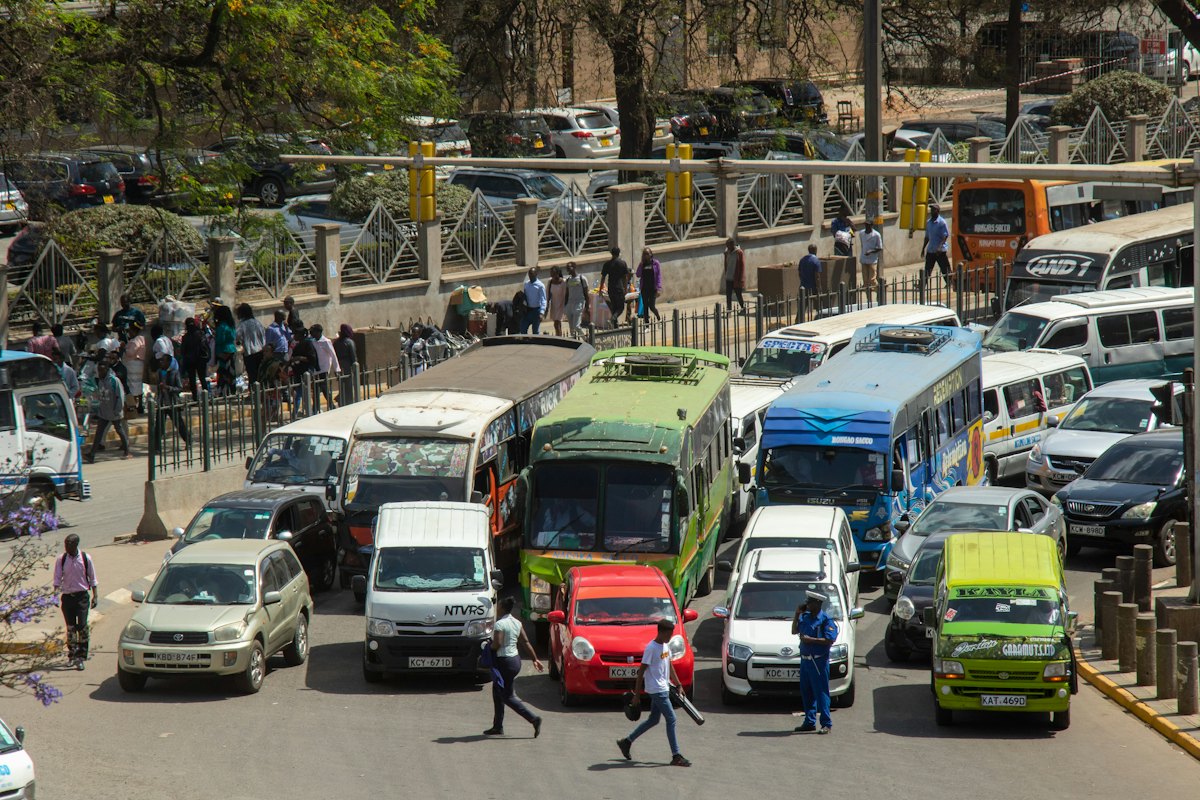
Start with footfall. The Ardle traders’ association, which counts pedestrians at three points on Bridge Street every week, recorded a fourteen per cent rise in visitors in the year after the change, while comparable streets elsewhere in the region were flat. Vacancy rates in Ardle have fallen from one in six shop units to one in ten. In Harrow, the number of cafes and restaurants with outdoor seating has more than doubled, something that would have been unthinkable when lorries were thundering past at thirty-five.
Casualty figures, too, have moved. Recorded collisions involving pedestrians on the affected streets fell by about a third in the first eighteen months, and serious injuries by more than that. Journey times, meanwhile, barely changed: the city’s own monitoring found the average trip through Ardle’s centre took around forty seconds longer. Most of the delay on those streets was always at junctions, not on the open road.
“My customers used to dart in and out. Now they wander. They stop at the window, they come back after lunch. The street feels like it belongs to them rather than to the traffic,” said Delphine Okwuosa, who has run a bookshop on Bridge Street for eleven years.
Ms Okwuosa was among those who signed the original petition against the change. She says she would now sign one to keep it.
Why grants were never enough
Compare that with the grant schemes. Over the past ten years, the region’s town centres received tens of millions in funding for new paving, signage, planters, shopfront improvements and, in one case, a large digital screen that no one watches. Some of that money was well spent. Much of it was cosmetic. You can repave a street beautifully, but if crossing it still feels like a gamble, people will not stay.
A lower speed limit is cheap. It costs signs, some paint and a few traffic-calming measures. It requires no consultants and no competitive bidding. And it changes the basic experience of being in a place, which is what decides whether people come back.
The objections, taken seriously
The strongest case against the change comes from those who depend on driving: tradespeople, delivery drivers, people with disabilities who cannot easily walk or cycle, and residents of the hill towns for whom there is no realistic alternative to the car. Their concerns are real. A town centre that is pleasant to walk in but impossible to reach is no use to anyone.
But a slower limit does not stop anyone driving into town. It asks them to drive more gently once they are there. The answer to the access problem is better parking at the edges, reliable buses from the valley and loading bays where traders need them – things the city should be investing in alongside the speed limit, not instead of it.
Some critics also point out that compliance is patchy, and they are right; average speeds on some streets have fallen by only a few miles an hour. Yet even that modest drop appears to have been enough to change how the streets feel.
I am not arguing that twenty miles an hour should apply everywhere, or that it is a cure for every empty shop. Online retail, rents and business rates matter far more to most traders. But as the Assembly debates its next round of town-centre funding this winter, I hope members will look hard at what has actually worked. The answer, it turns out, was simply to slow down.